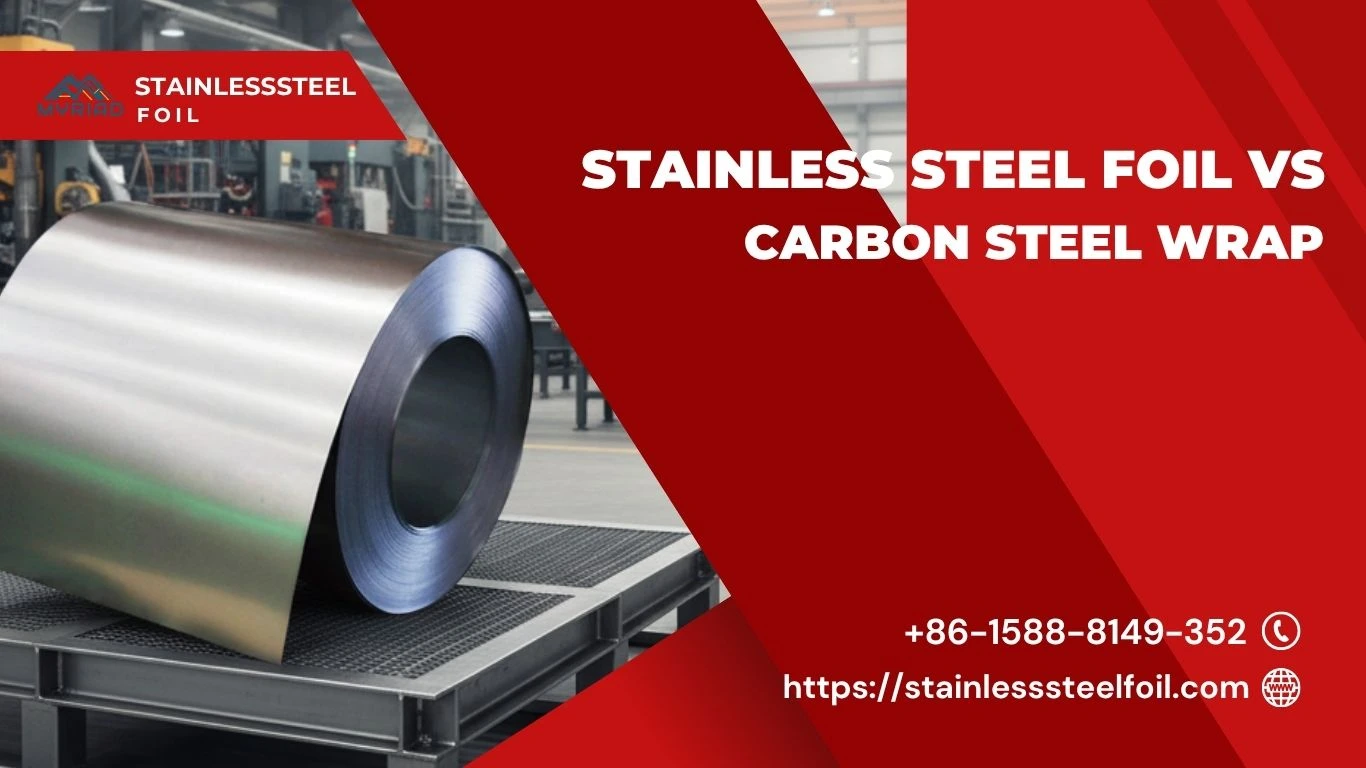
When it comes to industrial heat treatment, tool wrapping, and precision metal protection, the debate between stainless steel foil and Carbon Steel Wrap guide is more relevant than ever. Both materials serve critical purposes, yet they differ significantly in performance, durability, and cost-effectiveness.
If you are searching for the best solution for your application, understanding how carbon steel wrap compares to stainless steel foil will help you make a smarter, more cost-efficient decision.
In this in-depth guide, we’ll break down everything—from composition and performance to real-world applications—so you can confidently choose the right material.
What Is Carbon Steel Wrap?
Carbon steel wrap is a protective material made primarily from iron and carbon. It is widely used in industrial settings for wrapping tools, parts, and components during heat treatment processes.
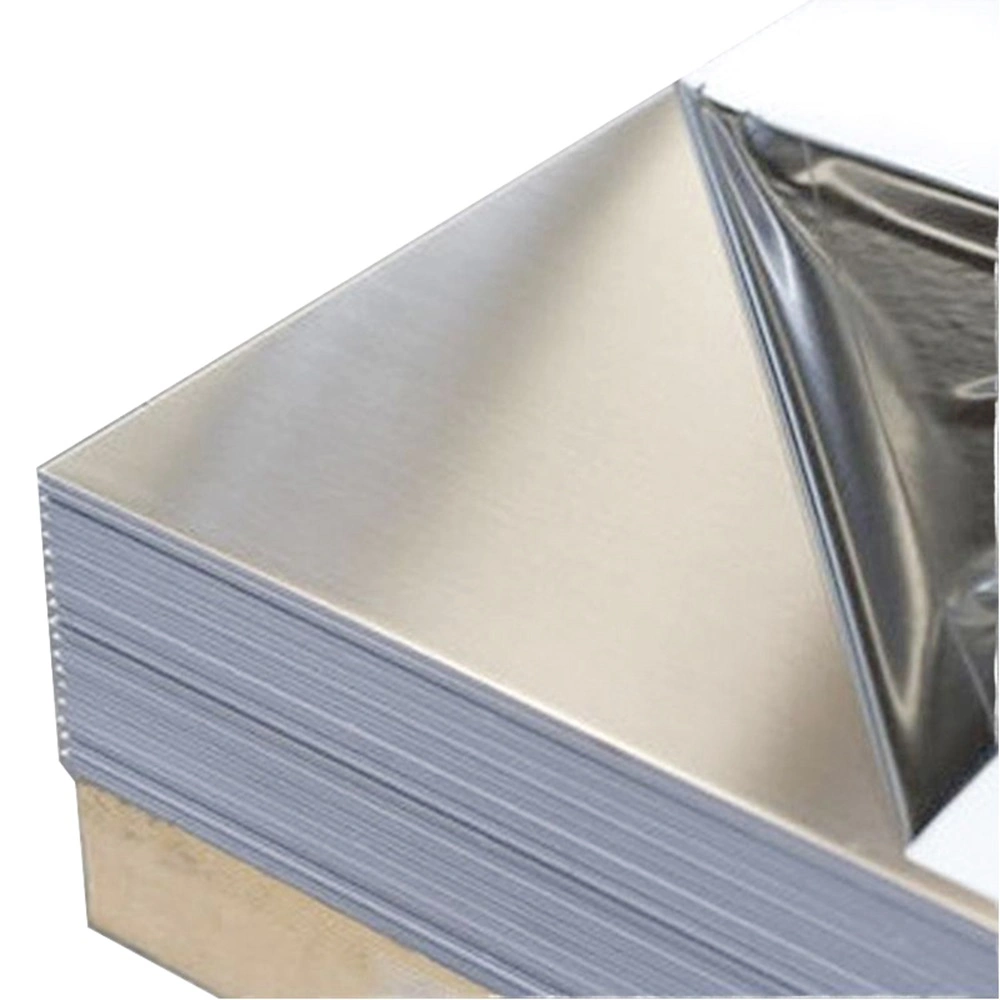
Unlike stainless steel, carbon steel lacks chromium, which means it does not naturally resist corrosion. However, it remains popular because of its affordability and availability.
Carbon steel wrap is often used in:
- Basic heat treatment environments
- Short-term applications
- Situations where cost is a primary concern
Despite its limitations, carbon steel wrap continues to be a practical choice for many manufacturers.
What Is Stainless Steel Foil?
Stainless steel foil is a thin sheet made from corrosion-resistant steel alloys containing chromium. According to this explanation of stainless steel, chromium forms a passive oxide layer that protects the metal from rust and oxidation.
If you want a deeper understanding, you can explore what stainless steel foil is and how it is engineered for high-performance environments.
This material is commonly used in:
- Heat treatment wrapping
- Aerospace and automotive components
- Medical and precision tools
Popular grades like 301 stainless steel foil and 304 stainless steel foil offer excellent strength and corrosion resistance.
Differences Between Stainless Steel Foil and Carbon Steel Wrap
Understanding the differences helps clarify why stainless steel foil often outperforms carbon steel wrap in demanding applications.
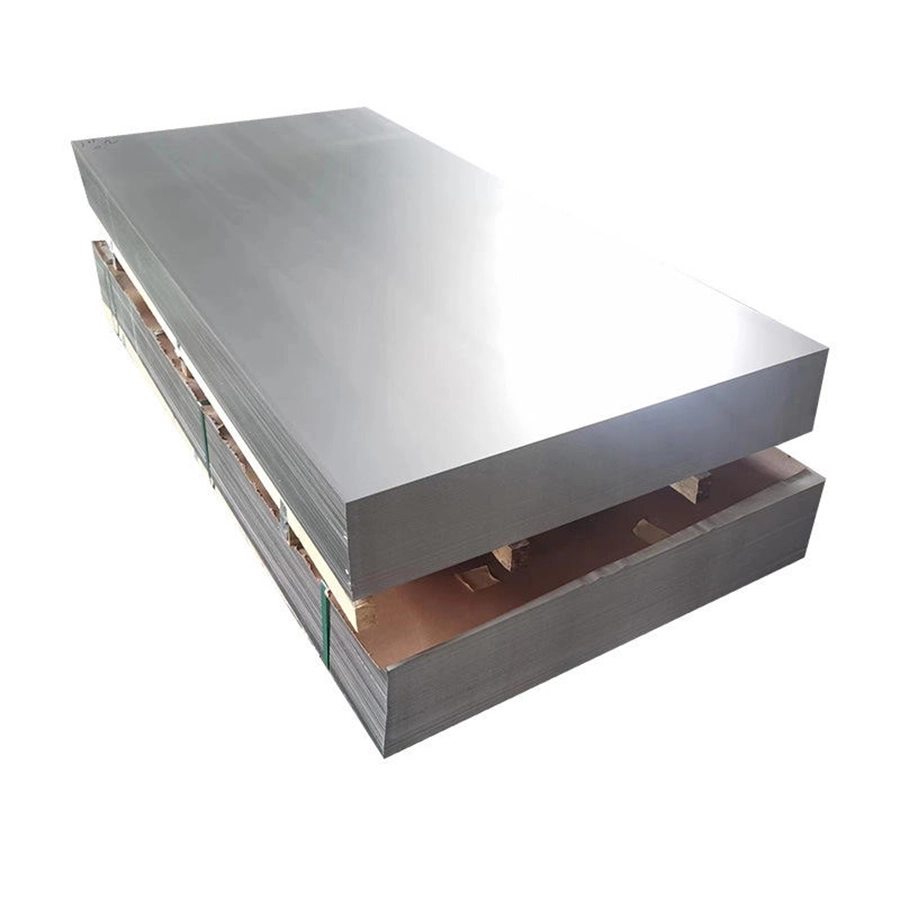
Corrosion Resistance
Stainless steel foil resists rust due to its chromium content. In contrast, carbon steel wrap is prone to oxidation, especially in high-temperature environments.
This makes stainless steel foil ideal for:
- Long heat cycles
- Moist or reactive environments
Carbon steel wrap, however, may degrade quickly under the same conditions.
Heat Resistance and Performance
In heat treatment processes, material stability is critical.
Stainless steel foil maintains its structure and prevents scale formation. You can learn more about this in heat treatment with stainless steel foil.
On the other hand, carbon steel wrap:
- Can oxidize at high temperatures
- May contaminate treated parts
- Requires careful monitoring
Durability and Strength
While both materials are strong, stainless steel foil offers better longevity.
Carbon steel wrap tends to:
- Wear out faster
- Require frequent replacement
Stainless steel foil remains stable even after repeated use, especially in high-performance industries.
Cost Considerations
This is where carbon steel wrap shines.
It is:
- More affordable upfront
- Widely available
However, stainless steel foil provides better long-term value due to reduced waste and fewer replacements.
Surface Protection Quality
Stainless steel foil creates a sealed environment that prevents:
- Oxidation
- Decarburization
- Contamination
This makes it superior for precision tools and critical components.
For detailed insights, check stainless steel foil for heat treatment.
Comparison Table: Stainless Steel Foil vs. Carbon Steel Wrap
| Feature | Stainless Steel Foil | Carbon Steel Wrap |
|---|---|---|
| Corrosion Resistance | Excellent | Poor |
| Heat Resistance | High | Moderate |
| Durability | Long-lasting | Short lifespan |
| Cost | Higher upfront | Lower upfront |
| Maintenance | Low | High |
| Surface Protection | Superior | Basic |
Applications: Where Each Material Works Best
When to Use Carbon Steel Wrap
Carbon steel wrap is suitable for:
- Low-cost operations
- Short heat cycles
- Non-critical components
If your process does not require extreme precision, carbon steel wrap may be sufficient.
When to Use Stainless Steel Foil
Stainless steel foil is the preferred choice for:
- Precision engineering
- Aerospace components
- Medical tools
- High-temperature heat treatment
Explore premium options in stainless steel foil products.
Why Stainless Steel Foil Dominates Heat Treatment
Heat treatment demands consistency, protection, and performance. Stainless steel foil delivers all three.
According to industry studies, using stainless steel foil can reduce oxidation by up to 95%, significantly improving product quality.
You can learn more about ideal thickness in stainless steel heat treat foil thickness.
Thickness and Performance
Thickness plays a crucial role in performance.
- Thin foil: Better flexibility
- Thick foil: Stronger barrier protection
For tools, selecting the right thickness is critical. Check stainless steel foil tool wrap thickness for guidance.
Environmental Impact and Sustainability
Sustainability is becoming a key factor in material selection.
Stainless steel foil:
- Is recyclable
- Produces less waste over time
Carbon steel wrap, while recyclable, often generates more waste due to frequent replacement.
Cost vs. Value: A Practical Perspective
Many buyers focus on initial cost, but long-term value tells a different story.
Carbon steel wrap may seem cheaper initially. However:
- Frequent replacement increases costs
- Poor protection leads to defects
Stainless steel foil, though more expensive upfront, reduces:
- Rework costs
- Material waste
- Downtime
This makes it a smarter investment for most industries.
Choosing the Right Material for Your Needs
Selecting between stainless steel foil and carbon steel wrap depends on your priorities.
Ask yourself:
- Is precision important?
- Are you working at high temperatures?
- Do you need long-term durability?
If the answer is yes, stainless steel foil is the better option.
For more insights and expert guidance, visit the stainless steel foil blog or explore the website.
Summary
When comparing stainless steel foil and carbon steel wrap, the decision ultimately comes dow to performance versus cost.
Carbon Steel Wrap guide is affordable and suitable for basic applications. However, it falls short in durability, corrosion resistance, and long-term value.
Stainless steel foil, on the other hand, provides unmatched protection, reliability, and efficiency. For industries that demand precision and consistency, it is clearly the superior choice.
If you want better results, fewer defects, and long-term savings, stainless steel foil is the smarter investment over carbon steel wrap. Get for more informaion visit stainless steel foil and contact us.
FAQs
What is carbon steel wrap used for?
Carbon steel wrap is commonly used for basic heat treatment processes where cost is a concern. It provides minimal protection compared to stainless steel foil.
Is carbon steel wrap suitable for high temperatures?
Carbon steel wrap can handle moderate heat, but it may oxidize at higher temperatures, reducing effectiveness in demanding applications.
Why is stainless steel foil better than carbon steel wrap?
Stainless steel foil offers superior corrosion resistance, durability, and protection, making it more reliable than Carbon Steel Wrap guide.
Can carbon steel wrap be reused?
In most cases, carbon steel wrap cannot be reused effectively because it degrades quickly under heat.
Is carbon steel wrap cheaper than stainless steel foil?
Yes, carbon steel wrap has a lower upfront cost, but it may lead to higher long-term expenses due to frequent replacement.
Which is better for tool wrapping: carbon steel wrap or stainless steel foil?
Stainless steel foil is better for tool wrapping because it prevents oxidation and maintains surface quality more effectively than carbon steel wrap.