Stainless Steel Strip plays a crucial role in modern manufacturing, engineering, and construction industries. From automotive components to medical devices, this versatile material offers exceptional strength, corrosion resistance, and precision. As global industries demand higher performance materials, stainless steel strip continues to evolve with advanced grades, customizable widths, and diverse applications.
According to industry reports, the global stainless steel market is expected to exceed 70 million metric tons annually, with strip products forming a significant share due to their adaptability and cost-efficiency.
If you’re sourcing or working with stainless steel strip, understanding its grades, widths, and industrial uses is essential. This guide explores everything you need to know while helping you make informed purchasing decisions.
For a deeper overview of stainless steel as a material, you can explore this authoritative resource on stainless steel properties and composition.
What is Stainless Steel Strip?
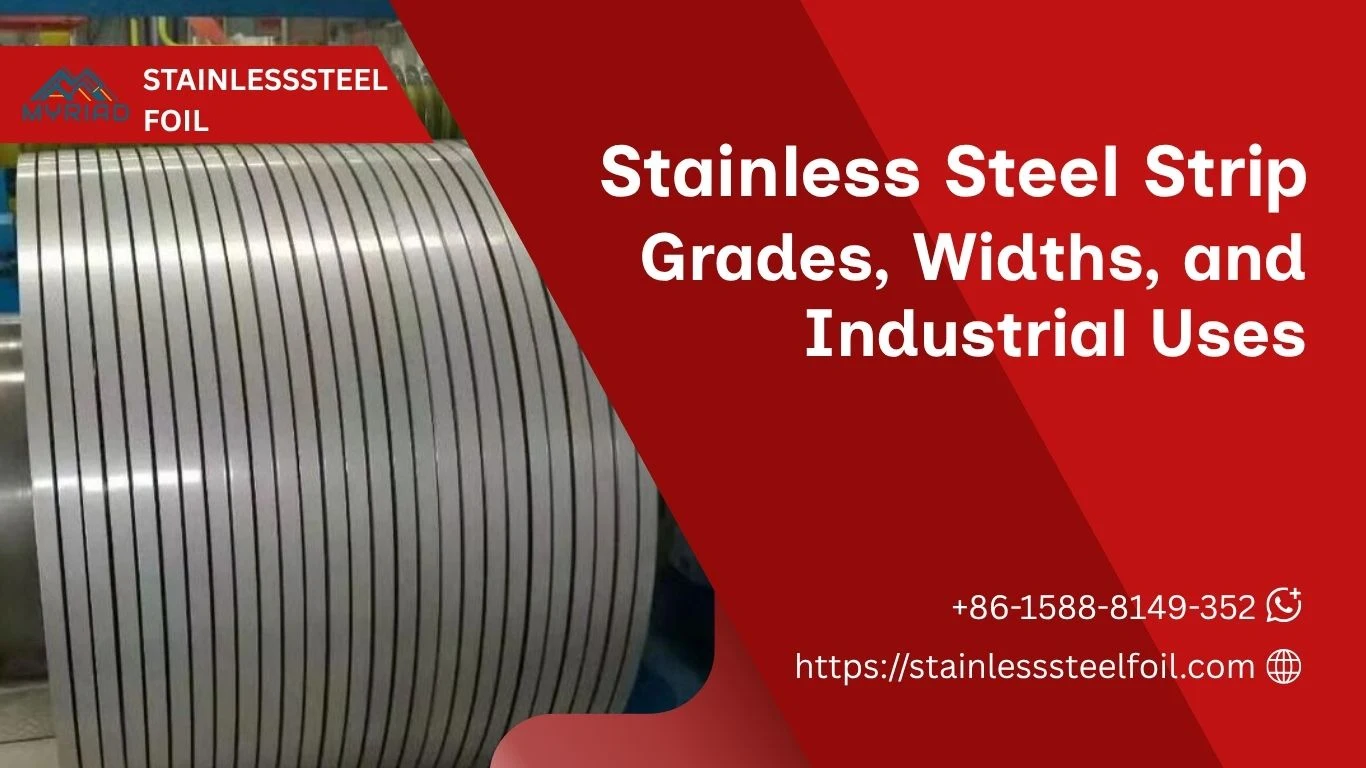
Stainless steel strip refers to a flat-rolled steel product supplied in coils or cut lengths, typically with a thickness below 6 mm and narrower widths compared to sheets or plates.
It is manufactured through precision rolling processes that ensure consistent thickness, smooth surface finish, and tight dimensional tolerances.
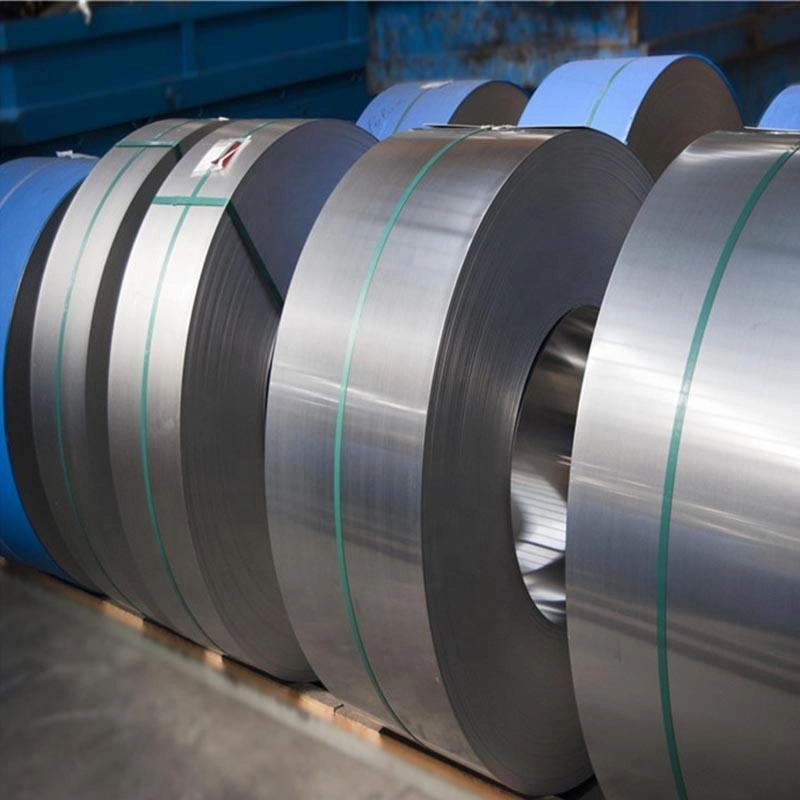
Unlike standard sheets, stainless steel strip is engineered for applications that demand the following:
- High precision
- Flexibility
- Uniform mechanical properties
- Superior corrosion resistance
Manufacturers often source high-quality strips from trusted suppliers like stainless steel foil, where advanced production technologies ensure consistent product performance.
Stainless Steel Strip Grades
Choosing the right grade of Stainless Steel Strip directly affects performance, durability, and cost. Let’s explore the most commonly used grades.
304 Stainless Steel Strip
This is the most widely used austenitic grade. It offers excellent corrosion resistance and formability.
Key Features:
- High resistance to oxidation
- Easy to fabricate and weld
- Suitable for food-grade applications
For detailed specifications, visit stainless: steel strip 304 304l 316 316l coil
316 Stainless Steel Strip
Known for its superior resistance to harsh environments, especially marine and chemical exposure.
Key Features:
- Contains molybdenum for enhanced corrosion resistance
- Ideal for coastal and industrial environments
- Higher cost but longer lifespan
430 Stainless Steel Strip
A ferritic grade offering good corrosion resistance at a lower cost.
Key Features:
- Magnetic properties
- Cost-effective alternative to 304
- Suitable for decorative and appliance applications
Compare these grades in detail here: 430 vs 304 stainless steel strip
Grade Comparison Table
| Grade | Type | Corrosion Resistance | Cost Level | Typical Use |
|---|---|---|---|---|
| 304 | Austenitic | High | Medium | Food, medical |
| 316 | Austenitic | Very High | High | Marine, chemical |
| 430 | Ferritic | Moderate | Low | Appliances |
Stainless Steel Strip Widths and Thickness
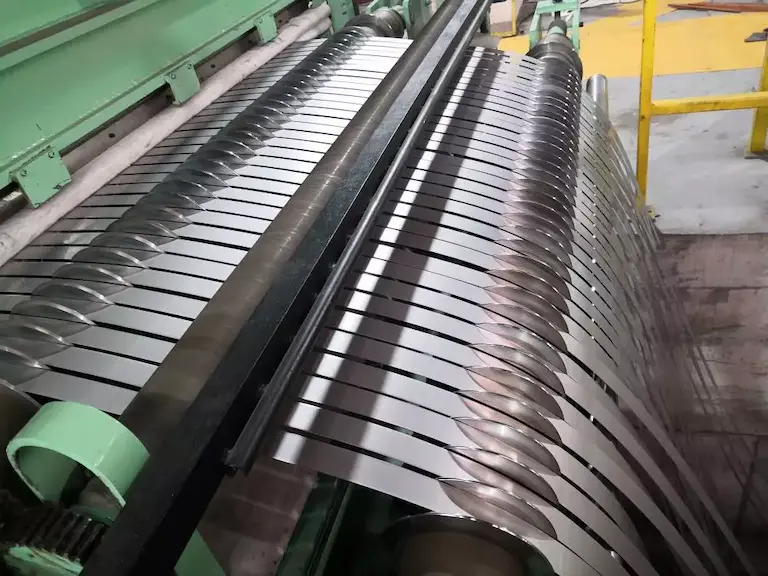
The dimensions of the stainless steel strip are highly customizable, depending on application requirements.
Standard Width Range
Typically, stainless steel strip widths fall between the following:
- 10 mm to 600 mm
Narrow strips are used in electronics, while wider strips serve the automotive and construction industries.
Thickness Range
Common thickness levels include:
- 0.02 mm to 3.0 mm
Ultra-thin strips are used in precision instruments, while thicker strips provide structural strength.
Custom Sizes
Manufacturers often require tailored dimensions. You can explore custom options here: custom stainless steel strip
Custom stainless steel strip ensures:
- Reduced material waste
- Improved efficiency
- Better product performance
Manufacturing Process of Stainless Steel Strip
The production of Stainless Steel Strip involves multiple precision steps to achieve the desired properties.
Key Steps Include:
Hot Rolling
Initial shaping of stainless steel slabs into coils.
Cold Rolling
Enhances strength and thickness accuracy.
Annealing
Heat treatment to restore ductility.
Pickling
Removes surface impurities and scale.
Slitting
Cuts wide coils into specific strip widths.
Finishing
Includes polishing, coating, or surface texturing.
These processes ensure the strip meets strict industrial standards.
Industrial Uses of Stainless Steel Strip
The versatility of Stainless Steel Strip makes it indispensable across industries.
Automotive Industry
Used in:
- Exhaust systems
- Clamps and brackets
- Fuel tank components
Explore applications here: stainless steel strip for automotive manufacturing
Electronics and Electrical
Essential for:
- Connectors
- Springs
- Shielding components
Its conductivity and durability make it ideal for precision electronics.
Medical Equipment
Used in:
- Surgical instruments
- Implants
- Diagnostic tools
A stainless steel strip offers hygiene and corrosion resistance.
Construction and Architecture
Common applications include:
- Structural reinforcements
- Decorative trims
- Roofing systems
Industrial Manufacturing
Widely used in:
- Machinery parts
- Conveyor systems
- Packaging equipment
For industrial supply options, visit: stainless steel strip roll for manufacturing
Benefits of Stainless Steel Strip
Choosing a stainless steel strip offers multiple advantages:
- Corrosion Resistance: Performs well in harsh environments
- High Strength: Suitable for load-bearing applications
- Flexibility: Easy to bend and shape
- Durability: Long service life
- Recyclability: Eco-friendly material
These benefits make stainless steel strip a preferred choice across industries.
How to Choose the Right Stainless Steel Strip
Selecting the correct Stainless Steel Strip depends on several factors.
Consider These Factors:
- Environment: Marine or chemical exposure requires 316 grade
- Budget: 430 grade offers cost savings
- Application: Precision industries need tighter tolerances
- Surface Finish: Choose based on aesthetic or functional needs
You can explore a full product range here: products
Why Choose a Reliable Supplier?
Working with a trusted supplier ensures quality and consistency.At stainless steel foil
you can access:
- High-quality stainless steel strip products
- Custom manufacturing solutions
- Industry expertise and technical support
Summary
Stainless Steel Strip is a vital material in modern industry, offering unmatched versatility, strength, and corrosion resistance. With a wide range of grades like 304, 316, and 430, along with customizable widths and thicknesses, it meets the needs of diverse applications—from automotive manufacturing to medical equipment.
Understanding the differences in grades, dimensions, and uses helps businesses optimize performance and reduce costs. By sourcing from reliable suppliers and choosing the right specifications, you can ensure long-term success in your projects. For inquiries or quotes, visit contact us Stay updated with industry insights here stainless steel foil.
FAQs
Q.What is Stainless Steel Strip used for?
A.Stainless Steel Strip is used in automotive, electronics, construction, and medical industries due to its durability and corrosion resistance.
Q.What are the common grades of Stainless Steel Strip?
A.The most common Stainless Steel Strip grades include 304, 316, and 430, each offering different levels of corrosion resistance and cost.
Q.How do I choose the right Stainless Steel Strip?
A.Choosing the right Stainless Steel Strip depends on application, environment, budget, and required mechanical properties.
Q.What thickness is available in Stainless Steel Strip?
A.Stainless Steel Strip is available in thicknesses ranging from 0.02 mm to 3 mm, depending on industrial needs.
Q.Is Stainless Steel Strip recyclable?
A.Yes, Stainless Steel Strip is 100% recyclable, making it an environmentally friendly material.