Today’s fast-evolving tech landscape, materials play a critical role in shaping innovation. Among these materials, stainless steel foil in electronics has quietly become a cornerstone of modern manufacturing. From smartphones and flexible circuits to advanced battery systems and electromagnetic shielding, this ultra-thin yet durable material delivers performance that few alternatives can match.
As electronic devices continue to shrink in size while increasing in power, manufacturers need materials that offer precision, strength, corrosion resistance, and thermal stability. Stainless steel foil checks all these boxes—and more.
If you’re new to this material, you can explore a foundational overview on what is stainless steel foil to better understand its composition and capabilities.
What Is Stainless Steel Foil?
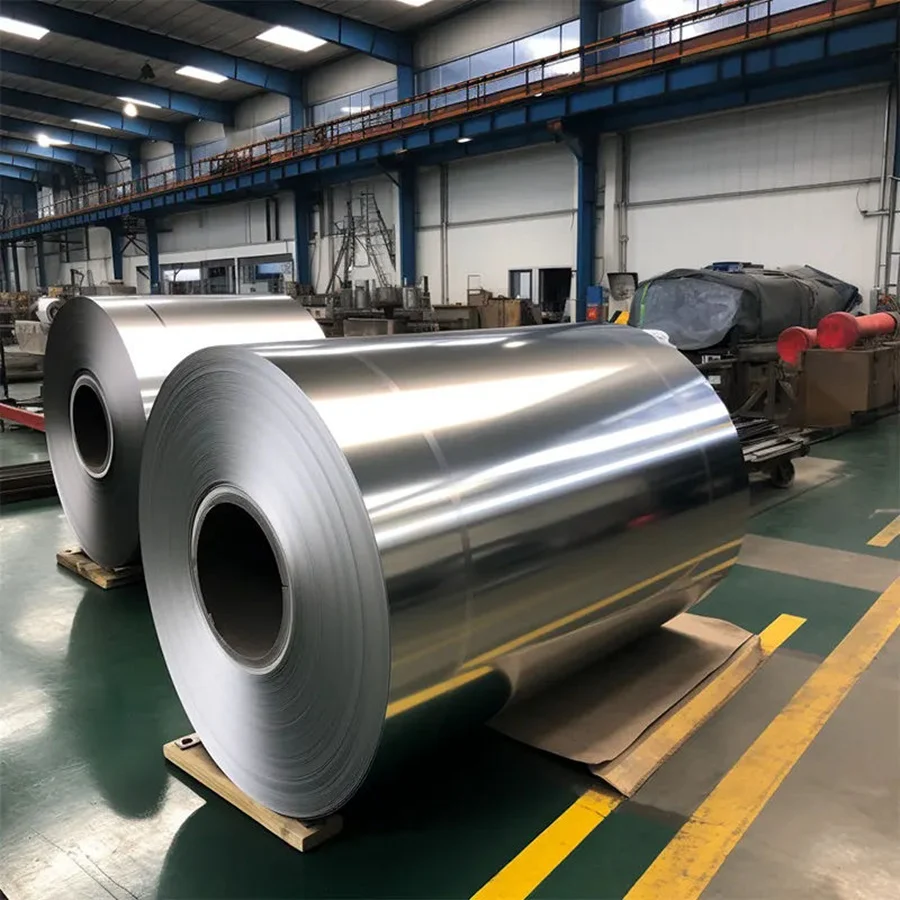
Stainless steel foil is an extremely thin sheet of stainless steel, typically less than 0.2 mm thick. Despite its thinness, it retains the core properties of stainless steel—namely corrosion resistance, high tensile strength, and durability.
According to the detailed explanation on stainless steel, the alloy contains chromium, which forms a passive layer that protects against corrosion. This characteristic makes it ideal for electronics, where reliability is critical.
Manufacturers commonly use grades like:
- 301 stainless steel foil – Known for high strength and flexibility
- 304 stainless steel foil – Offers excellent corrosion resistance
Learn more about these materials here: 301 stainless steel foil guide and 304 stainless steel foil guide.
Why Stainless Steel Foil in Electronics Is Essential
Exceptional Strength-to-Thickness Ratio
One of the key advantages of stainless steel foil in electronics is its ability to maintain strength even at microscopic thicknesses. This allows engineers to design lighter and more compact devices without compromising structural integrity.
Superior Corrosion Resistance
Electronics often operate in challenging environments, including humidity and temperature fluctuations. Stainless steel foil resists oxidation and corrosion, ensuring long-term reliability.
Thermal Stability
Heat management is crucial in electronics. Stainless steel foil performs well under extreme temperatures, making it ideal for applications like heat shielding and thermal insulation.
You can explore specialized applications in stainless steel foil for heat treatment.
Electrical and Electromagnetic Performance
While not as conductive as copper, stainless steel foil excels in EMI/RFI shielding, protecting sensitive components from electromagnetic interference.
Applications of Stainless Steel Foil in Electronics
Flexible Printed Circuits (FPCs)
Flexible electronics are transforming industries—from wearable devices to medical sensors. Stainless steel foil serves as a durable substrate in flexible circuits, offering better fatigue resistance than traditional materials.
Electromagnetic Shielding
Modern electronics must comply with strict electromagnetic compatibility (EMC) standards. Stainless steel foil provides effective shielding against EMI, ensuring devices operate without interference.
Battery Systems
In lithium-ion and emerging battery technologies, stainless steel foil acts as a current collector and protective layer. Its corrosion resistance ensures long-term battery performance.
Heat Treatment and Thermal Protection
Electronics often require precise heat treatments during manufacturing. Stainless steel foil is widely used for wrapping and protecting components during these processes.
Explore more in: heat treatment with stainless steel foil and stainless steel foil heat treatment guide
Comparison: Stainless Steel Foil vs Other Materials
| Property | Stainless Steel Foil | Copper Foil | Aluminum Foil |
|---|---|---|---|
| Strength | Very High | Moderate | Low |
| Corrosion Resistance | Excellent | Moderate | Good |
| Cost | Moderate | High | Low |
| Thermal Stability | Excellent | Good | Moderate |
| EMI Shielding | Very Good | Excellent | Good |
While copper offers superior conductivity, stainless steel foil in electronics stands out for its durability and resistance, making it ideal for long-term applications.
Manufacturing Process of Stainless Steel Foil
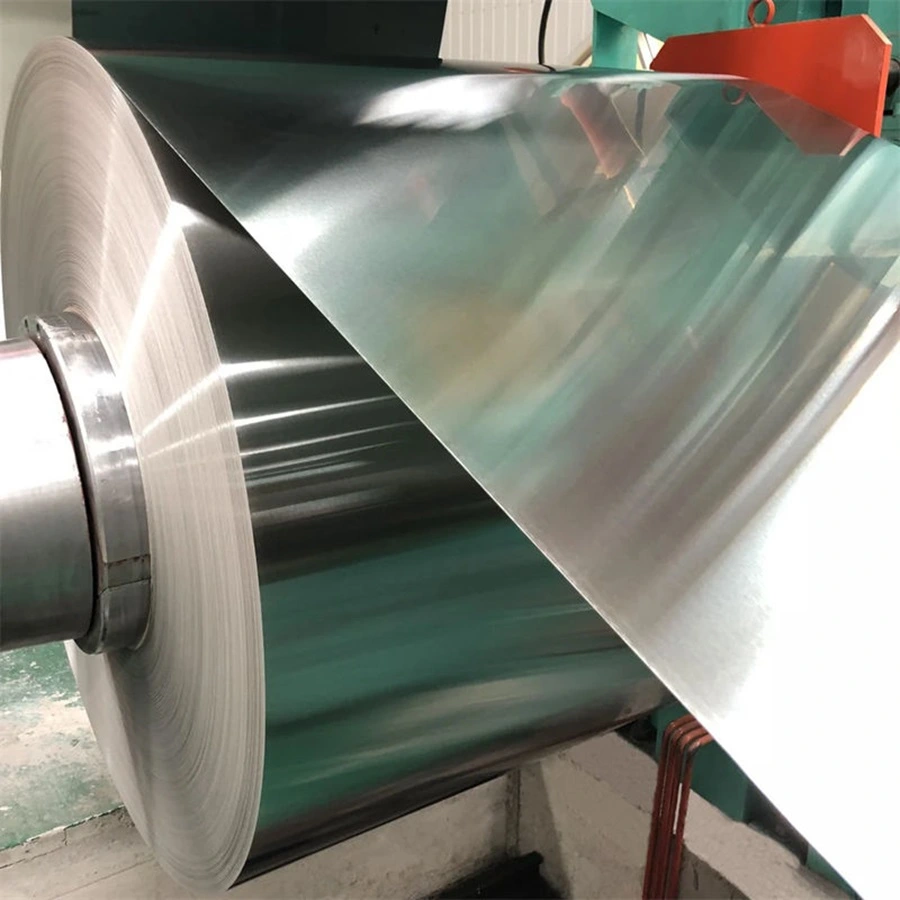
Producing high-quality stainless steel foil involves several precise steps:
Cold Rolling
The steel is rolled into extremely thin sheets while maintaining uniform thickness.
Annealing
Heat treatment improves ductility and removes internal stresses.
Surface Finishing
The foil undergoes polishing or coating to meet specific application requirements.
Manufacturers offering premium-quality foil can be explored through stainless steel foil products.
Role of Heat Treatment in Electronics Manufacturing
Heat treatment enhances the properties of stainless steel foil, making it more suitable for demanding applications. During this process, foil wraps protect components from oxidation and contamination.
You can dive deeper into this topic via: stainless steel foil for heat treatments and stainless foil solutions.
Advantages of Stainless Steel Foil in Electronics
The growing demand for stainless steel foil in electronics stems from its unique benefits:
Durability: It withstands mechanical stress and environmental exposure.
Flexibility: Thin enough for intricate designs.
Longevity: Reduces replacement and maintenance costs.
Sustainability: Fully recyclable and environmentally friendly.
Emerging Trends and Innovations
Miniaturization of Devices
As devices shrink, the need for ultra-thin yet strong materials increases. Stainless steel foil is at the forefront of this trend.
Flexible and Wearable Technology
From smartwatches to health monitors, flexible electronics rely heavily on durable materials like stainless steel foil.
Advanced Battery Technologies
Next-generation batteries demand materials that can endure chemical reactions and temperature variations.
How to Choose the Right Stainless Steel Foil
Selecting the right foil depends on several factors:
Grade Selection
Choose between 301 or 304, depending on strength and corrosion requirements.
Thickness
Thinner foils are more flexible, while thicker ones offer greater strength.
Surface Finish
Smooth finishes are ideal for electronic applications requiring precision. To explore options, visit stainless steel foil products.
Summary
In modern manufacturing, stainless steel foil in electronics has become indispensable. Its unmatched combination of strength, flexibility, corrosion resistance, and thermal stability makes it ideal for applications ranging from shielding and flexible circuits to battery systems and heat treatment.
By choosing the right grade and working with trusted suppliers, manufacturers can ensure efficiency, durability, and long-term success in their electronic products. For more detailed insights, visit our Stainless Steel Foil section or feel free to contact us for expert guidance tailored to your needs.
FAQs
Q. Why is stainless steel foil used in electronics?
A. Stainless steel foil in electronics is used because it offers strength, corrosion resistance, and thermal stability, making it ideal for durable and high-performance components.
Q. Is stainless steel foil better than copper foil?
A. While copper is more conductive, stainless steel foil in electronics provides better durability and corrosion resistance, making it suitable for long-term applications.
Q. Can stainless steel foil be used in batteries?
A. Yes, stainless steel foil in electronics is commonly used in battery systems due to its resistance to chemical reactions and high temperatures.
Q. What thickness is used in electronics?
A. Stainless steel foil in electronics typically ranges from 0.01 mm to 0.2 mm, depending on the application.
Q. Is stainless steel foil environmentally friendly?
A. Absolutely. Stainless steel foil used in electronics is recyclable and supports sustainable manufacturing practices.