Heat treatment plays a critical role in improving the hardness, durability, and performance of metal components. However, oxidation and decarburization can easily damage parts during the hardening process. That’s where stainless steel foil wrap becomes essential.
Using stainless steel foil wrap in a hardening furnace helps protect metal surfaces from oxygen exposure. As a result, it prevents scaling, preserves carbon content, and ensures a clean finish. Whether you are working with tool steels, blades, or precision components, foil wrapping delivers consistent results.
If you’re new to this material, you can explore a detailed explanation on what is stainless steel foil to understand its structure and properties before diving deeper.
What Is Stainless Steel Foil Wrap ?
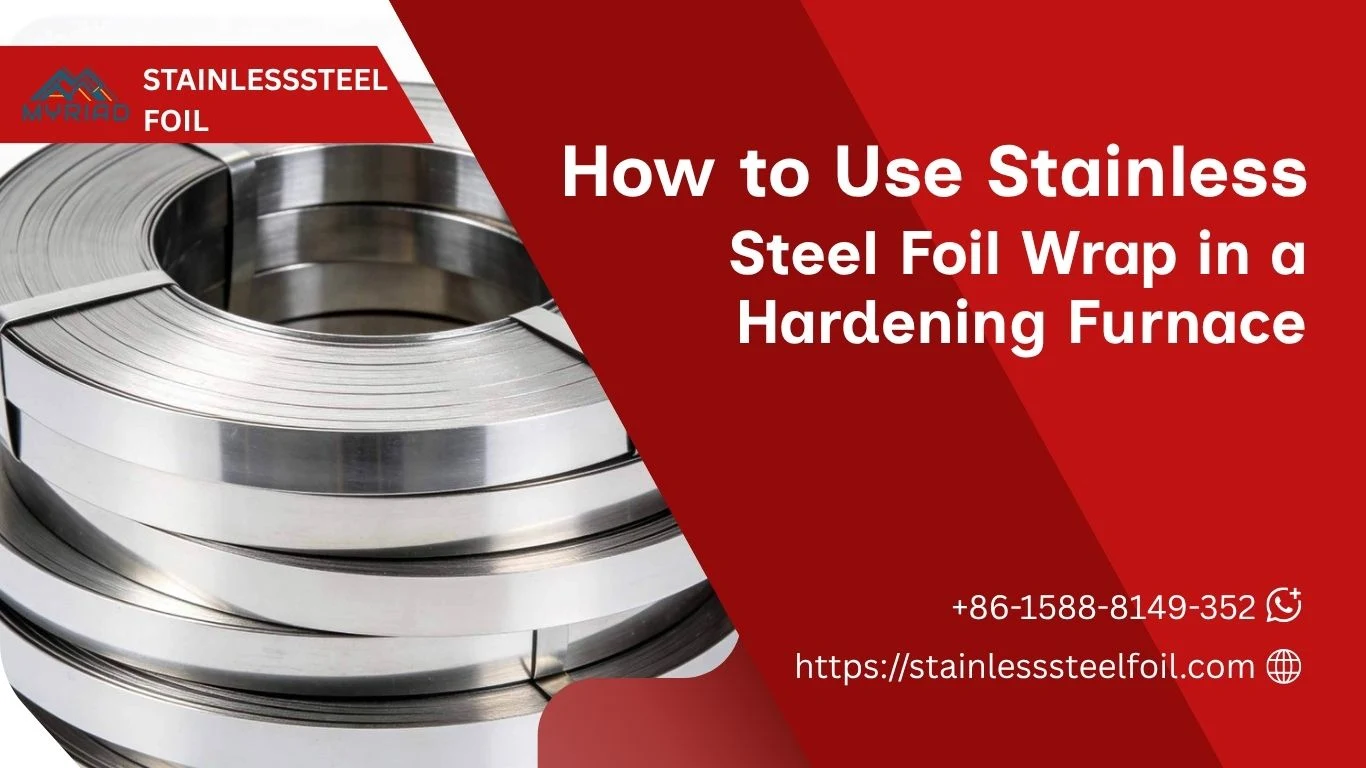
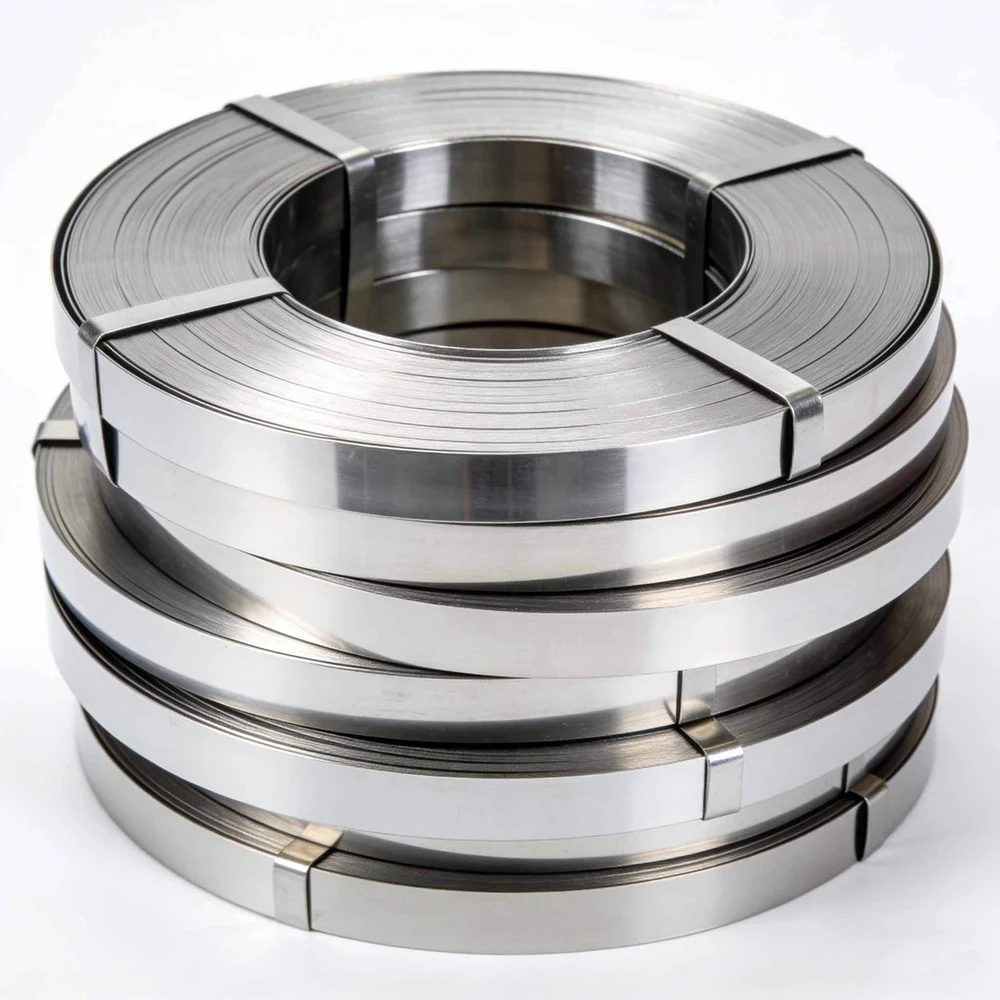
Stainless steel foil wrap i refers to the use of ultra-thin stainless steel sheets to encase metal parts before placing them in a furnace. The foil acts as a protective barrier, preventing oxygen and contaminants from reaching the surface.

According to stainless steel, chromium in the alloy forms a passive layer that resists oxidation. This property makes stainless steel foil ideal for high-temperature environments.
For a broader overview of available products, visit stainless steel foil products.
Why Use Stainless Steel Foil Wrap in a Hardening Furnace?
Prevents Oxidation and Scaling
When metal heats in a furnace, oxygen reacts with its surface. This causes scaling and discoloration. However, stainless steel foil wrap i creates an oxygen-free environment around the part.
Maintains Carbon Content
Decarburization weakens steel. By sealing the material, foil wrapping helps maintain its original carbon composition, ensuring proper hardness.
Improves Surface Finish
Wrapped components come out of the furnace with a clean, bright finish, reducing the need for post-treatment polishing.
Enhances Process Efficiency
Less rework means faster production cycles and lower costs. Therefore, manufacturers rely heavily on this method.
You can explore specialized wrapping solutions here: stainless steel foil wrap for heat treating
Types of Stainless Steel Foil Used
Choosing the right grade is important for achieving optimal results.
301 Stainless Steel Foil
This grade offers high strength and flexibility. It is suitable for tight wrapping applications. Learn more at: 301 stainless steel foil guide
304 Stainless Steel Foil
This grade provides excellent corrosion resistance and high-temperature stability. It is widely used in heat treatment processes. More details here: 304 stainless steel foil guide
Step-by-Step Guide: How to Use Stainless Steel Foil Wrap
Using stainless steel foil wrap correctly ensures maximum protection and efficiency. Follow these steps carefully.
Select the Right Foil Thickness
Thickness depends on temperature and application. Thicker foil withstands higher temperatures. For detailed guidance, visit: stainless steel foil tool wrap thickness
Cut the Foil Properly
Cut a piece large enough to fully enclose the part. Ensure extra space for folding and sealing.
Place the Component Inside
Position the metal part at the center of the foil. Avoid sharp edges that may puncture the material.
Fold and Seal the Edges
Carefully fold the foil around the part. Create tight seams to prevent air entry. Many professionals double-fold edges for better sealing.
Remove Excess Air
Press the foil gently to remove trapped air. This step is crucial for preventing oxidation.
Place in the Furnace
Insert the wrapped part into the hardening furnace. Ensure proper temperature control based on material specifications.
Cooling and Unwrapping
After heat treatment, allow the part to cool. Then remove the foil to reveal a clean surface.
Recommended Thickness vs Temperature Table
| Temperature Range | Recommended Thickness |
|---|---|
| Up to 815°C | 0.025 mm |
| 815°C – 980°C | 0.038 mm |
| Above 980°C | 0.050 mm or higher |
This table helps you choose the correct foil for your process.
Mistakes to Avoid
Even experienced users can make mistakes. Understanding these helps improve results.
Poor Sealing
Loose edges allow oxygen to enter. Always ensure tight folds.
Using Incorrect Thickness
Thin foil may tear at high temperatures. Choose thickness based on furnace conditions.
Overcrowding the Furnace
Too many parts reduce heat uniformity. This affects hardening results.
Ignoring Surface Preparation
Dirty parts may react inside the foil. Always clean components before wrapping.
Advantages Over Alternative Methods
Compared to vacuum furnaces or inert gas systems, stainless steel foil wrap offers a cost-effective solution.
| Method | Cost | Surface Protection | Complexity |
|---|---|---|---|
| Foil Wrapping | Low | High | Simple |
| Vacuum Furnace | High | Excellent | Complex |
| Gas Atmosphere | Medium | Good | Moderate |
Clearly, foil wrapping delivers a balance of performance and affordability.
Industrial Applications
Tool and Die Manufacturing
Precision tools require accurate hardness. Foil wrapping ensures consistent results.
Knife and Blade Production
Blades benefit from clean surfaces and maintained carbon levels.
Aerospace Components
Critical parts need oxidation-free surfaces. Foil wrapping meets strict quality standards.
Automotive Industry
Heat-treated parts like gears and springs rely on controlled environments.
Explore more industrial applications here: best stainless steel foil for tool wrap
Why Choose High-Quality Stainless Steel Foil
Not all foil performs equally. High-quality products offer better durability and consistency.
You can explore premium solutions below:
For expert advice, visit contact us.
Summary
Stainless steel foil wrap in a hardening furnace is one of the most effective ways to protect metal components during heat treatment. It prevents oxidation, maintains carbon levels, and delivers a clean surface finish.
From tool manufacturing to aerospace applications, this method provides a reliable and cost-efficient solution. By selecting the right foil grade, thickness, and technique, manufacturers can achieve consistent, high-quality results.
For more information about premium stainless steel foil solutions, visit the Stainless Steel Foil page or contact us today to speak with industry experts.
FAQs
Q. What is stainless steel foil wrap used for in heat treatment?
A. It is used to protect metal parts from oxidation and decarburization during furnace hardening.
Q. Can stainless steel foil be reused?
A. Generally, it is designed for single use, as repeated exposure weakens its structure.
Q. What thickness should I use?
A. The thickness of it depends on furnace temperature and application requirements.
Q. Is foil wrapping better than vacuum heat treatment?
A. For many applications, this offers a cost-effective alternative with excellent results.
Q. Does foil wrapping affect hardness?
A. No, stainless steel foil wrap helps maintain carbon content, ensuring proper hardness after treatment.