The global industrial materials market is going through a major transformation in 2026, and China 304 Stainless Steel Foil Suppliers are playing a more dominant role than ever before. From precision engineering to electronics, aerospace, automotive systems, energy storage, and medical manufacturing, stainless steel foil has become a core material in modern production chains.
What makes this shift even more important is not just demand growth, but the increasing requirement for high-precision, certified, and application-specific materials. Buyers are no longer satisfied with generic stainless steel products. Instead, they are actively searching for trusted China 304 Stainless Steel Foil Suppliers who can guarantee consistency, traceability, and global compliance standards.
At the same time, advanced grades such as 316L stainless steel foil are becoming essential in environments where corrosion resistance is critical, especially in marine, chemical, and biomedical industries. This dual demand for both 304 and 316L materials is reshaping sourcing strategies worldwide.
Understanding how to evaluate suppliers, compare grades, and reduce procurement risks is now essential for any industrial buyer.
What is 304 Stainless Steel Foil?

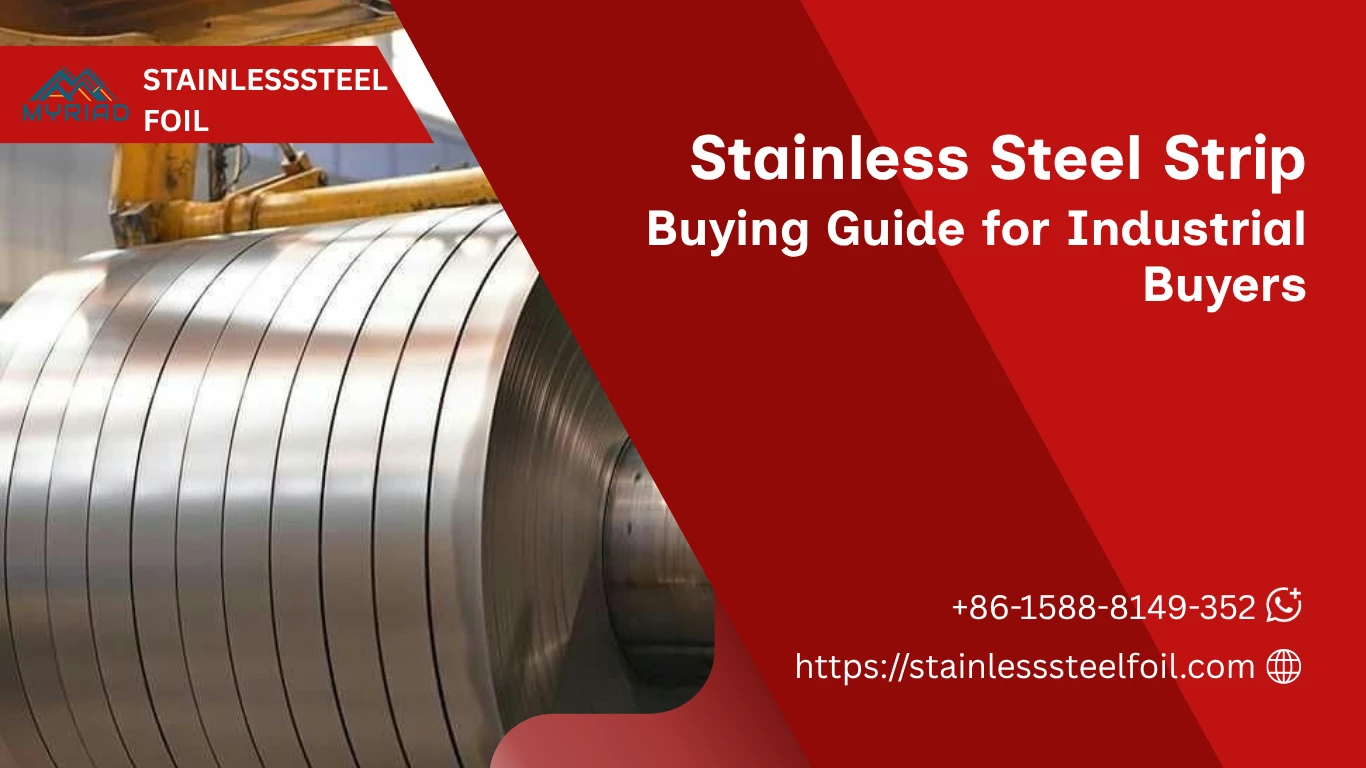
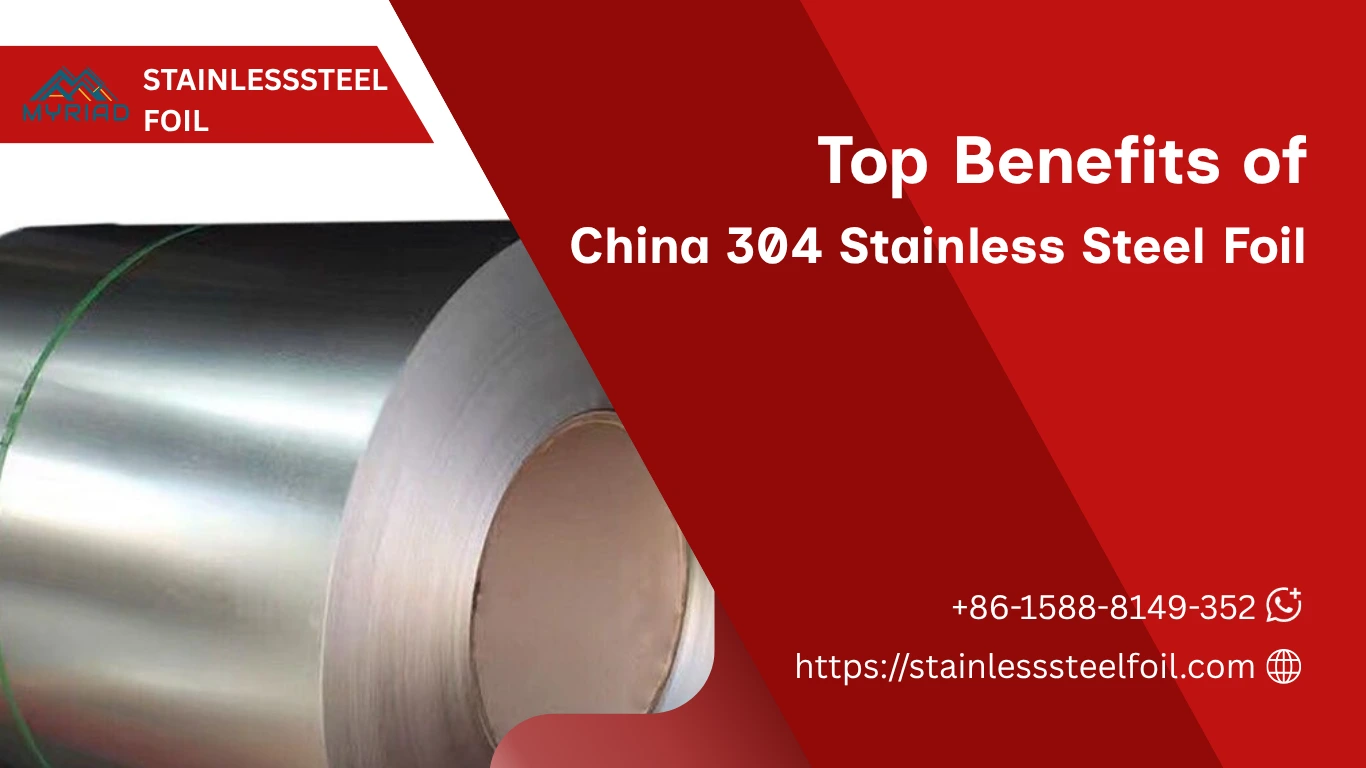
304 stainless steel foil is an ultra-thin metallic sheet made from an austenitic stainless steel alloy containing approximately 18% chromium and 8% nickel. This composition gives it excellent corrosion resistance and mechanical stability.
According to the general definition of stainless steel provided by Wikipedia Stainless Steel Overview, stainless steel is widely recognized for its ability to resist rusting and oxidation while maintaining strength under heat and pressure.
When working with China 304 Stainless Steel Foil Suppliers, buyers typically request thicknesses ranging from 0.01mm to 0.5mm, depending on application requirements. Ultra-thin foils are particularly used in electronics and precision instruments.
Key characteristics include:
304 stainless steel foil offers excellent corrosion resistance in normal atmospheric and industrial environments. It also provides high tensile strength and flexibility, making it suitable for forming and bending operations. Additionally, it has strong thermal stability and maintains structural integrity under moderate heat conditions. The surface finish is smooth, which is essential for decorative and precision applications.
Why China Dominates the Stainless Steel Foil Industry
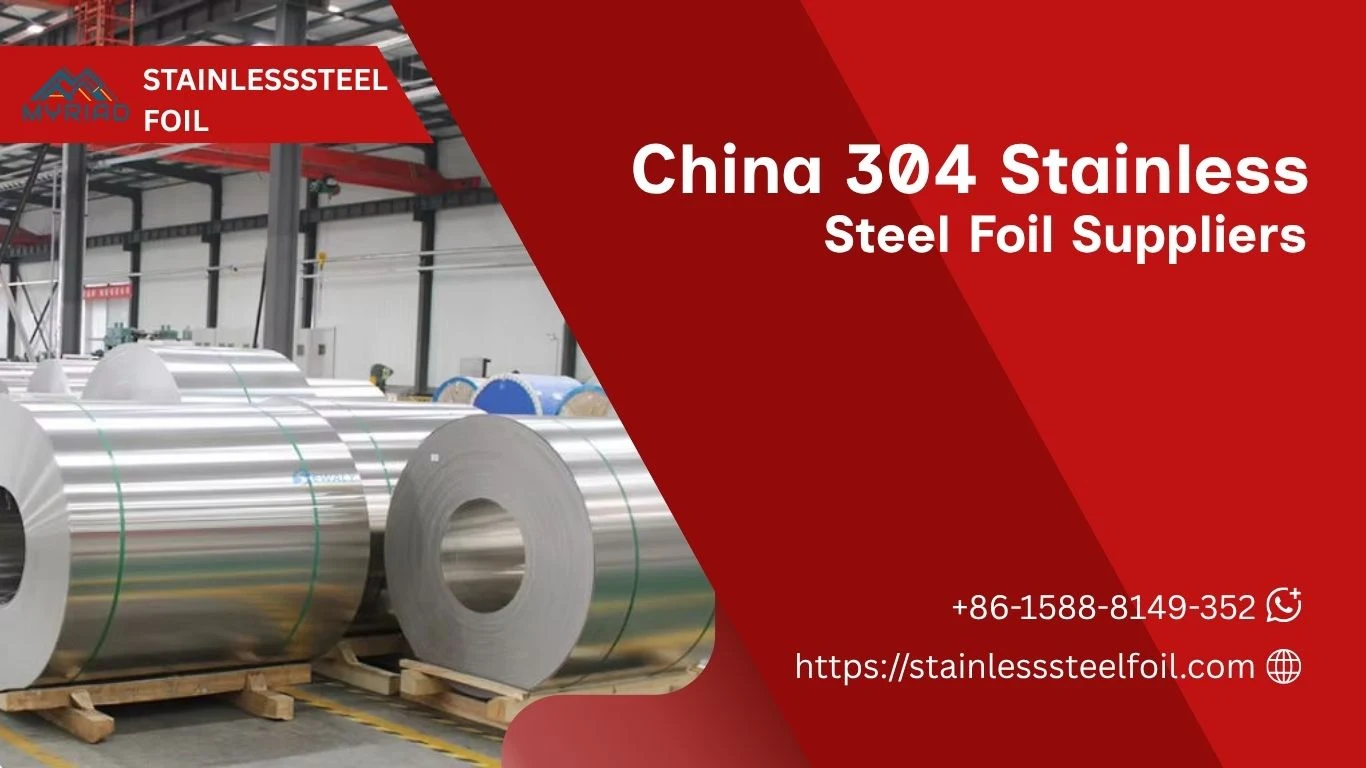
China has become the world’s leading manufacturing hub for stainless steel products due to its integrated supply chain, advanced rolling mills, and competitive pricing structure.
The rise of China 304 Stainless Steel Foil Suppliers is not accidental. It is driven by several structural advantages:
Large-scale production capacity allows Chinese mills to produce stainless steel foil at significantly lower cost per unit. Advanced cold rolling technology ensures high precision thickness control. Stable raw material supply chains reduce production delays. Strong export logistics networks make global distribution efficient and cost-effective.
Another important factor is customization. Many Chinese suppliers offer tailor-made solutions such as slit width adjustments, coil packaging, surface polishing, and even micro-thickness control for high-tech industries.
316L Stainless Steel Foil: The Upgrade for Harsh Environments
While 304 stainless steel is widely used, 316L stainless steel foil is essential in environments exposed to chlorides, acids, and extreme chemical conditions.
For technical comparison, you can explore 316 vs 316L Stainless Steel Foil Comparison The key difference is molybdenum content in 316L, which significantly enhances corrosion resistance. This makes it ideal for marine structures, offshore drilling equipment, and pharmaceutical-grade manufacturing.
Industries using 316L stainless steel foil include offshore oil platforms, surgical implant manufacturing, chemical processing plants, and marine engineering systems. In these applications, material failure is not an option, which makes grade selection extremely critical.
How to Evaluate China 304 Stainless Steel Foil Suppliers
Choosing the right supplier is one of the most important decisions in the procurement process. Not all China 304 Stainless Steel Foil Suppliers offer the same quality standards or production consistency.
Certification and Compliance
Reliable suppliers always provide ISO certification, ASTM compliance, and full mill test reports (MTR). These documents ensure material traceability and chemical composition accuracy.
Manufacturing Technology
Modern suppliers use advanced cold rolling mills capable of micron-level precision. This ensures uniform thickness, improved mechanical strength, and superior surface finish.
Quality Control Systems
Top-tier suppliers implement multi-stage inspections including raw material testing, in-process monitoring, and final product verification.
Export Experience
Experienced exporters understand international logistics, packaging requirements, and customs documentation, reducing delivery risks significantly.
Applications of 304 Stainless Steel Foil
304 stainless steel foil is widely used across multiple industries due to its versatility and performance stability.
Electronics manufacturers use it for shielding, battery components, and micro-connectors. Automotive companies use it for heat shields, exhaust insulation, and sensor protection. Medical professionals use it for surgical trays, sterilization equipment, and precision instruments. Industrial manufacturers use it for gaskets, sealing systems, and protective layers. For detailed applications, visit 304 Stainless Steel Foil Properties and Applications
Comparison with Other Materials and Grades
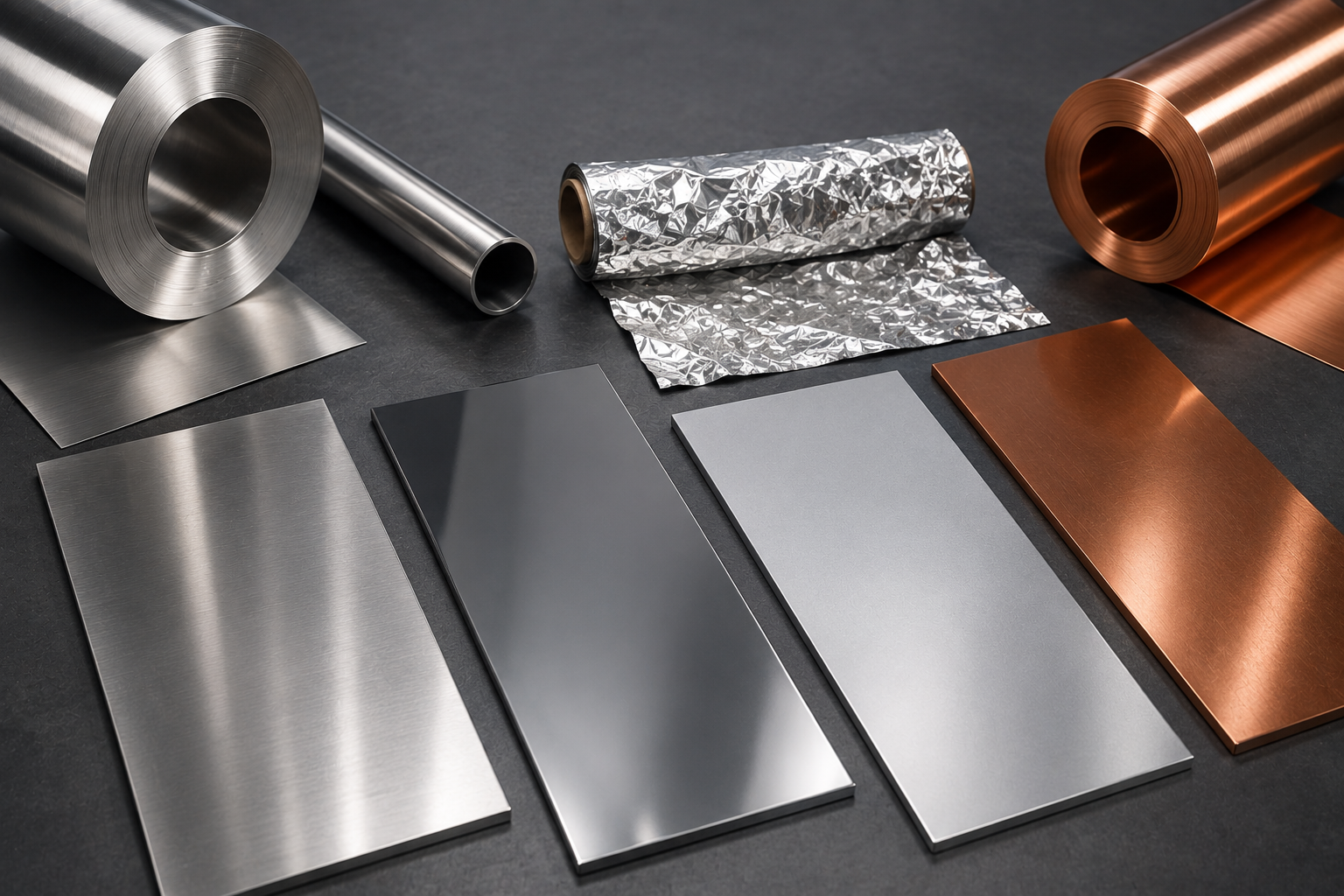
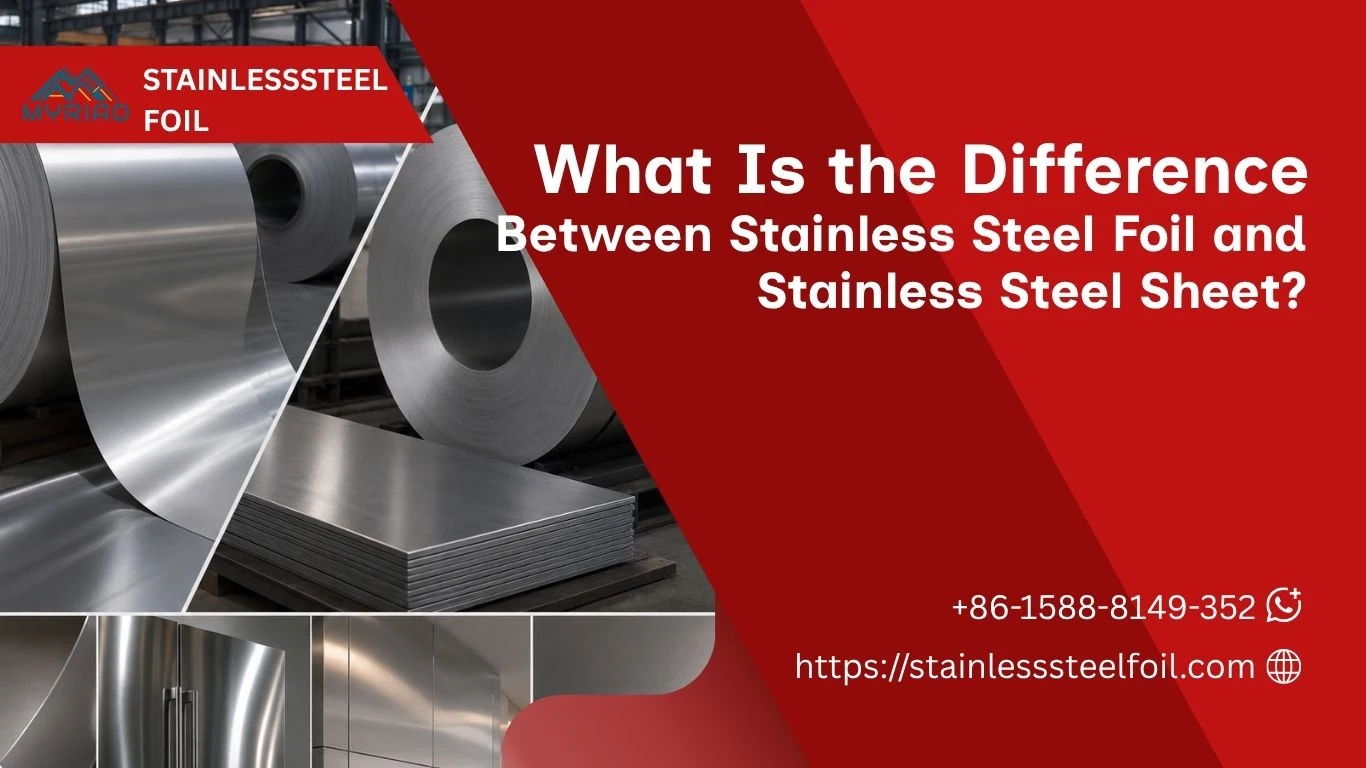
Material selection plays a crucial role in product performance and cost efficiency. Compared to aluminum foil, stainless steel offers significantly higher strength, heat resistance, and durability Stainless Steel vs Aluminum Key Differences
For spring applications, 301 stainless steel foil is preferred due to its higher tensile strength 301 Stainless Steel Foil High Strength Guide
Meanwhile, 316 stainless steel is used in extreme corrosion environments 316 Stainless Steel Foil Corrosion Resistance
Manufacturing Process in China
The production of stainless steel foil is a highly precise industrial process. It begins with melting raw steel in electric arc furnaces, followed by casting into slabs. Manufacturers hot-roll these slabs into coils and repeatedly cold-roll them until they reach the desired thickness.
Manufacturers then anneal the foil to improve its ductility and corrosion resistance. Finally, surface finishing and slitting processes prepare the foil for industrial use.
Many China 304 Stainless Steel Foil Suppliers use fully automated rolling systems to ensure consistent micron-level accuracy, which is essential for high-tech applications.
Market Trends in 2026
The stainless steel foil industry is experiencing rapid expansion driven by technological advancement and industrial demand. Ultra-thin foil below 0.02mm is becoming increasingly popular in electronics and energy storage systems. Demand for medical-grade stainless steel is also increasing due to global healthcare expansion. Sustainability trends are pushing manufacturers toward energy-efficient production methods. At the same time, Asia—especially China—continues to dominate global supply chains due to scalability and cost efficiency.
Smart Sourcing Strategy
Smart sourcing from China 304 Stainless Steel Foil Suppliers requires a structured approach rather than price comparison alone.
Buyers should request samples before bulk orders to verify quality consistency. Carefully review each supplier’s certifications. Compare multiple suppliers based on performance and reliability. Check their production capacity and delivery timelines. Also analyze customer feedback and export history.. For product selection, Stainless Steel Foil Products
Summary
In today’s competitive industrial landscape, China 304 Stainless Steel Foil Suppliers play a vital role in delivering precision-engineered materials for global industries. With increasing demand for high-quality stainless steel foil, understanding supplier capabilities, material grades, and sourcing strategies is essential for long-term success.
Whether selecting 304 for general applications or 316L for high-corrosion environments, smart sourcing ensures durability, cost efficiency, and performance reliability. For more information, visit Stainless Steel Foil and contact us.
FAQs
Q: Why are China 304 Stainless Steel Foil Suppliers widely used?
A: Because China 304 Stainless Steel Foil Suppliers offer cost efficiency, scalability, and advanced production capabilities suitable for global industries.
Q: What thickness is most common?
A: Most China 304 Stainless Steel Foil Suppliers provide 0.01mm–0.5mm thickness depending on industrial requirements.
Q: Is 304 suitable for marine environments?
A: Not always. In high-salt environments, China 304 Stainless Steel Foil Suppliers recommend upgrading to 316L grade.
Q: How do I ensure product quality?
A: Always verify certifications, test reports, and production systems from China 304 Stainless Steel Foil Suppliers.
Q: What industries rely on stainless steel foil most?
A: Electronics, automotive, aerospace, and medical industries are the largest consumers of products from China 304 Stainless Steel Foil Suppliers.