Heat treatment is one of the most critical processes in metal manufacturing, tool production, aerospace engineering, and industrial fabrication. However, achieving consistent results requires more than just controlling furnace temperature and processing time.
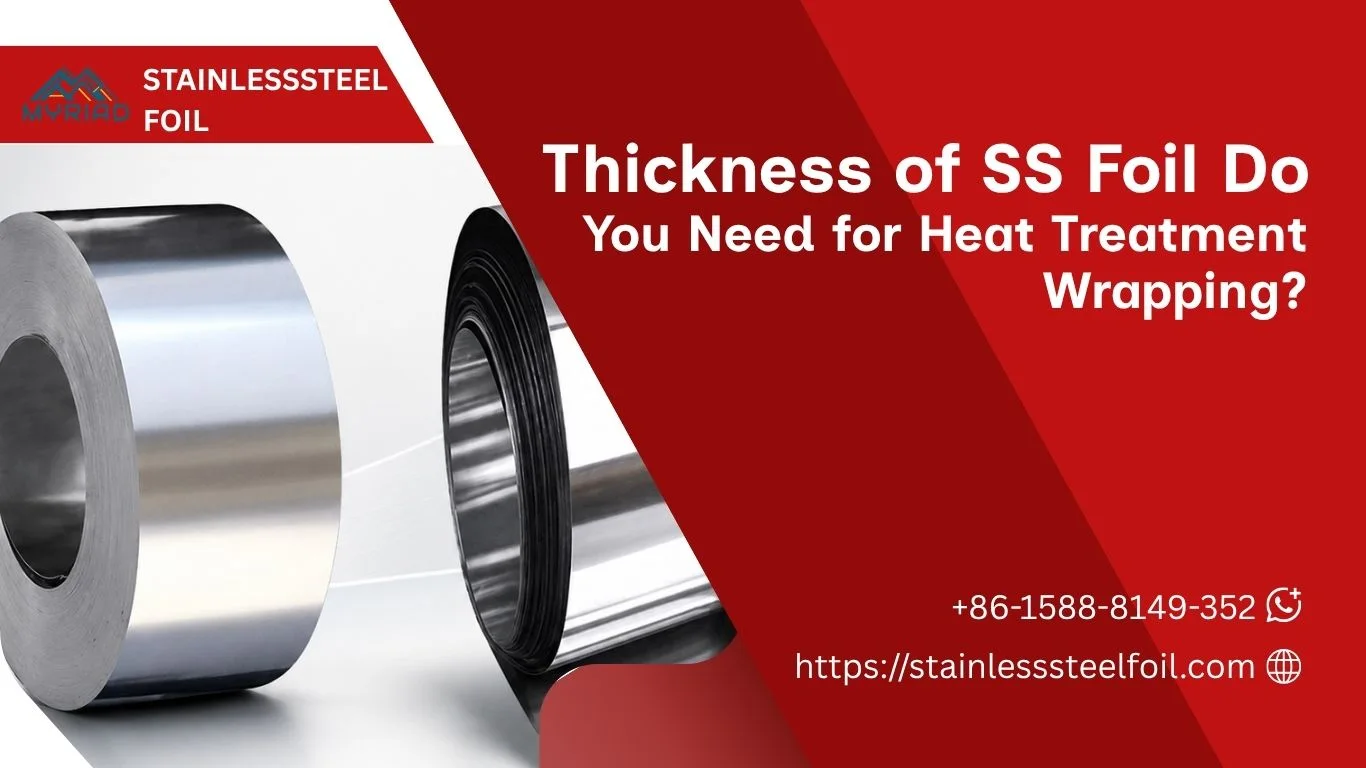
One factor that often receives less attention is the Thickness of SS Foil used during heat treatment wrapping.
Selecting the correct foil thickness directly affects oxidation resistance, decarburization protection, package integrity, heat transfer efficiency, and overall process performance. A foil that is too thin may tear or fail under high temperatures. A foil that is unnecessarily thick can increase costs without providing additional benefits.
For manufacturers, heat treat shops, knife makers, tool producers, and industrial engineers, understanding the ideal Thickness of SS Foil can improve product quality and reduce production waste.
This guide explains how stainless steel heat treatment foil works, how thickness affects performance, which thickness ranges are commonly used, and how to select the right option for specific applications.
For businesses seeking high-quality stainless steel foil solutions, stainless steel foil offers a wide range of products designed for demanding industrial environments.
Stainless Steel Heat Treatment Foil
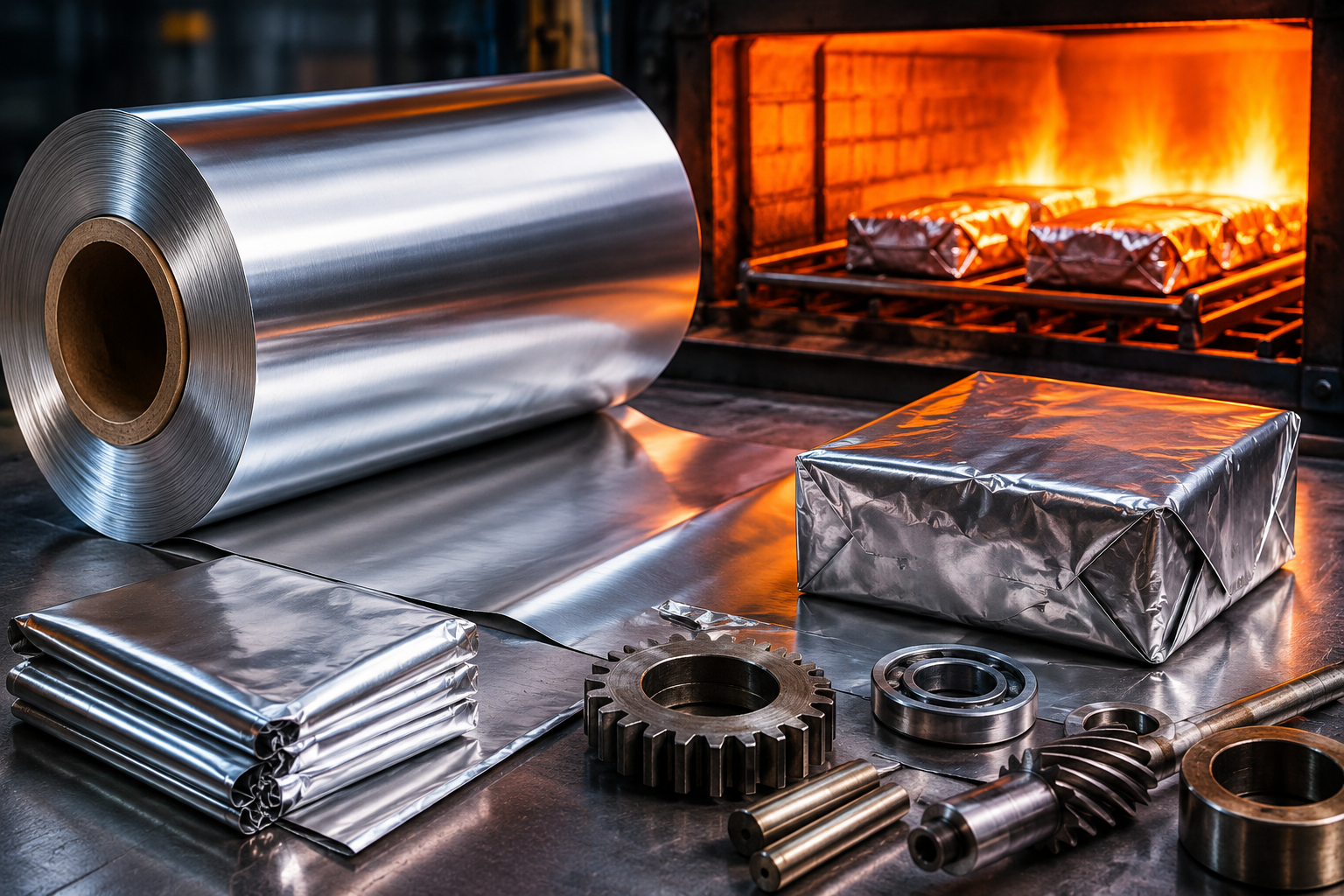
Before discussing thickness selection, it is important to understand the purpose of stainless steel heat treatment foil. Heat treatment foil acts as a protective barrier around metal components during furnace processing. The foil creates a sealed environment that helps minimize exposure to oxygen. This protection reduces scale formation, oxidation, and decarburization. As a result, parts often emerge from the furnace cleaner and require less post-processing.
Manufacturers working with tool steels, high-carbon steels, stainless steels, and specialty alloys frequently rely on heat treatment foil to preserve surface quality.
Those unfamiliar with foil products can learn more through what is stainless steel foil.
Why the Thickness of SS Foil Matters
The Thickness of SS Foil influences several key performance characteristics. Thicker foil generally provides greater durability and puncture resistance. Thinner foil typically offers improved flexibility and lower material costs.
Choosing the wrong thickness may lead to wrapping failures, inconsistent protection, or unnecessary expenses. Several factors determine the optimal thickness:
- Furnace temperature
- Component weight
- Sharp edges and corners
- Heat treatment duration
- Desired package strength
- Budget considerations
The best solution balances protection, handling performance, and cost efficiency.
How Stainless Steel Foil Protects Components During Heat Treatment
Heat treatment often exposes materials to temperatures exceeding 1000°C (1832°F). At these temperatures, oxygen can react with metal surfaces rapidly. Without protection, oxidation and scaling may occur.
Stainless steel foil minimizes this risk by creating a controlled environment around the workpiece. When properly folded and sealed, the foil package reduces oxygen exposure and helps preserve critical surface characteristics.
This protective function explains why the Thickness of SS Foil plays such an important role in successful heat treatment operations.
Stainless Steel Heat Treat Foil Thicknesses
Heat treatment foil is available in several thickness ranges.
The most common options include:
| Foil Thickness | Typical Use |
|---|---|
| 0.001″ (0.025 mm) | Small parts and light-duty applications |
| 0.002″ (0.05 mm) | General-purpose heat treatment |
| 0.003″ (0.076 mm) | Heavy-duty wrapping |
| 0.005″ (0.127 mm) | Large tools and extended cycles |
| 0.010″ (0.254 mm) | Specialized industrial applications |
Each thickness serves different operational requirements. Understanding these differences helps optimize both performance and cost.
Thickness of SS Foil for Small Precision Components
Small precision parts generally place minimal stress on wrapping materials.
Examples include:
- Medical instruments
- Small cutting tools
- Precision machine components
- Laboratory equipment
In these applications, thinner foil often performs exceptionally well. A thickness of 0.001″ to 0.002″ typically provides sufficient protection while maintaining excellent flexibility. Because the components are lightweight, package puncture risks remain relatively low.
Manufacturers frequently use thin foil to reduce material consumption without compromising quality. More information about thin foil applications can be found at thin stainless steel foil thickness applications
Thickness of SS Foil for Tool Steel Heat Treatment
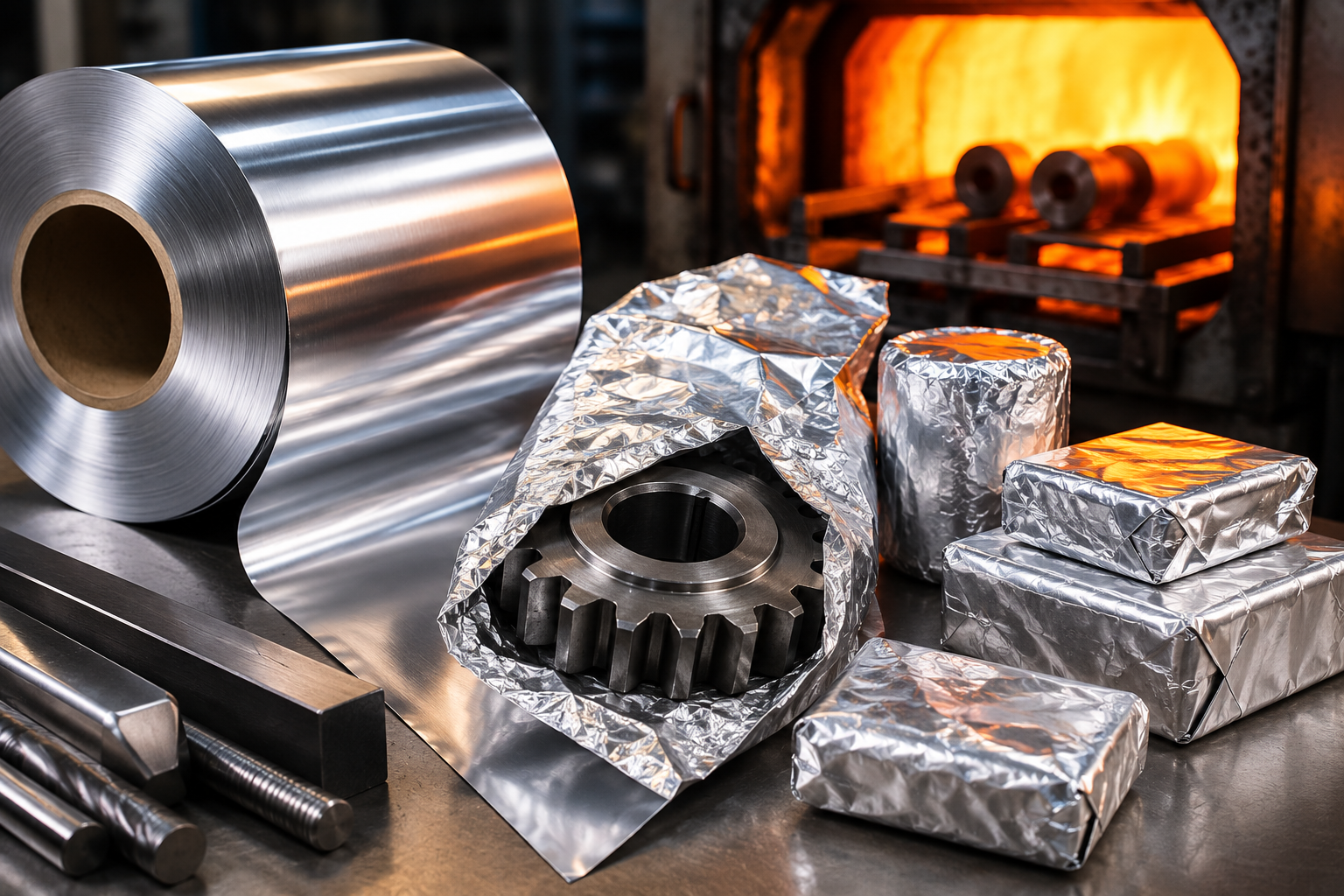
Tool steels often present greater challenges. Many tools feature sharp edges that can puncture foil during handling or thermal expansion.
Consequently, thicker foil is usually recommended. A Thickness of SS Foil between 0.002″ and 0.003″ remains one of the most common choices for tool wrapping.
These thicknesses provide a strong balance between flexibility and durability. Manufacturers producing dies, punches, molds, and cutting tools frequently rely on this range. Additional guidance is available through stainless steel foil tool wrap thickness
Thickness of SS Foil for Heavy Industrial Components
Large industrial parts often require enhanced protection. Heavy components generate greater stress during loading and handling. Extended furnace cycles may also increase demands on the foil package.
In these situations, thicker foil options become more attractive. A thickness of 0.003″ to 0.005″ often provides superior reliability.
The added material improves resistance to tearing, punctures, and handling damage. Although thicker foil costs more, it can significantly reduce package failure rates.
Comparing Thin and Thick Stainless Steel Foil
Many manufacturers struggle with the decision between thinner and thicker foil products.
The following comparison highlights the trade-offs.
| Characteristic | Thin Foil | Thick Foil |
|---|---|---|
| Cost | Lower | Higher |
| Flexibility | Excellent | Moderate |
| Puncture Resistance | Moderate | Excellent |
| Handling Strength | Lower | Higher |
| Packaging Ease | Easier | Slightly Harder |
| Large Tool Protection | Limited | Excellent |
The ideal choice depends on operational requirements rather than simply selecting the thickest option available.
How Furnace Temperature Influences Thickness Selection
Temperature remains one of the most important variables. Higher temperatures place greater stress on foil packages.
As temperature increases, foil strength gradually decreases. Consequently, some manufacturers increase the Thickness of SS Foil when operating near maximum furnace temperatures.
Long-duration cycles create similar challenges. Extended exposure may justify selecting a slightly heavier foil to maintain package integrity throughout processing.
Stainless Steel Grades and Their Impact on Foil Performance
Thickness is only one part of the equation. Foil grade also matters. According to information available through Stainless_steel, stainless steel derives its corrosion resistance from chromium content and alloy composition. Different grades offer varying performance characteristics.
Many heat treatment applications rely on specialized stainless steel foil grades designed specifically for high-temperature environments.
Businesses evaluating material options can review additional guidance at best stainless steel foil grade for heat
Mistakes When Selecting Thickness of SS Foil
Several mistakes occur frequently during heat treatment planning. One common error involves selecting the thinnest foil solely to reduce costs. Although thinner foil may save money initially, package failures can create significantly higher expenses.
Another mistake is assuming thicker foil always performs better. In reality, excessive thickness may increase material costs without improving process outcomes.
Successful operations evaluate component geometry, furnace conditions, and handling requirements before choosing foil thickness.
Best Practices for Heat Treatment Wrapping
Proper wrapping techniques contribute significantly to performance. Even the correct Thickness of SS Foil may fail if packaging methods are poor.
Carefully fold seams. Minimize puncture risks around sharp edges.
Leave adequate space for thermal expansion. Inspect packages before loading them into the furnace. These simple practices help maximize protection and improve consistency.
Summary
Selecting the correct Thickness of SS Foil is one of the most important decisions in heat treatment wrapping. The ideal thickness depends on component size, geometry, furnace temperature, handling requirements, and desired surface quality. For most applications, 0.003 inch to 0.005 inch foil provides the best balance of protection, durability, and cost efficiency. Whether processing tool steels, stainless spring steel strip, 301 stainless steel strip, or spring temper stainless steel, choosing the proper foil thickness helps prevent oxidation, reduce rework, and improve overall heat treatment results.
For more information about stainless steel foil products, heat treatment foil solutions, and custom specifications, visit Stainless Steel Foil or contact our team for expert guidance on selecting the right material for your application.
FAQs
Q: What is the most commonly used Thickness of SS Foil for heat treatment?
A: The most commonly used Thickness of SS Foil is 0.003 inch because it provides an excellent balance between durability, protection, and cost.
Q: Does thicker foil provide better heat treatment protection?
A: A greater Thickness of SS Foil can improve durability and puncture resistance, but excessive thickness may increase costs without significant performance gains.
Q: What Thickness of SS Foil should be used for tool steel?
A: For most tool steel applications, a Thickness of SS Foil between 0.003 inch and 0.005 inch provides effective protection during heat treatment.
Q: Is foil thickness important for stainless spring steel strip processing?
A: Yes. The correct Thickness of SS Foil helps protect stainless spring steel strip from oxidation and surface contamination during heat treatment.
Q: What Thickness of SS Foil works best for 301 stainless steel strip?
A: Many manufacturers processing 301 stainless steel strip prefer a Thickness of SS Foil around 0.003 inch because it offers reliable protection and easy handling.
Q: Does furnace temperature affect Thickness of SS Foil selection?
A: Absolutely. Higher temperatures often require a greater Thickness of SS Foil to maintain structural integrity throughout the heat treatment cycle