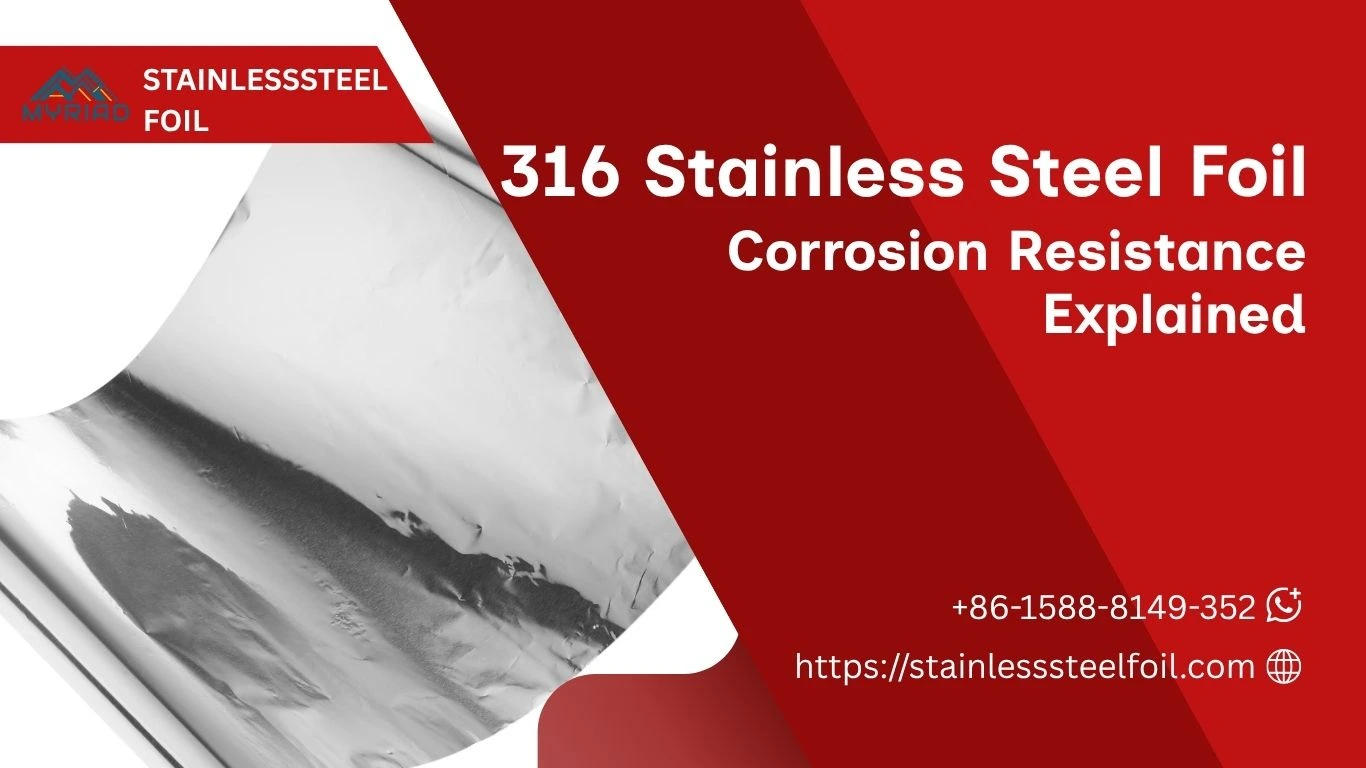
Industries where durability and resistance to harsh environments matter, 316 Stainless Steel Foil Guide stands out as a trusted material. From marine engineering to chemical processing, this grade of stainless steel delivers consistent performance where other metals often fail.
But what makes 316 Stainless Steel Foil so effective against corrosion? Why do engineers, manufacturers, and designers rely on it for critical applications?
This guide answers those questions in detail. You will learn how corrosion works, why 316 performs better than other grades, and how to choose the right foil for your needs. If you are just starting, this helpful resource on what is stainless steel foil provides a solid introduction.
What Is 316 Stainless Steel Foil?
316 Stainless Steel Foil is a thin, flexible metal sheet made from an austenitic stainless steel alloy. It contains iron, chromium, nickel, and a crucial addition—molybdenum.
This molybdenum content, usually around 2–3%, gives the material superior resistance to corrosion. According to the stainless steel overview, chromium forms a protective oxide layer on the surface. In 316, molybdenum strengthens this layer, making it more durable.
If you want to explore available materials, visit stainless steel foil products or browse the full product category.
Why Corrosion Resistance Is So Important
Corrosion is more than surface damage. It weakens structures, reduces lifespan, and increases maintenance costs. In some industries, it can even lead to safety risks.
For example, marine equipment constantly faces saltwater exposure. Chemical plants deal with aggressive substances. Food processing environments involve moisture and cleaning agents.
Because of these challenges, materials like 316 Stainless Steel Foil play a critical role in maintaining performance and safety over time.
How 316 Stainless Steel Foil Resists Corrosion
Chromium Oxide Barrier
The foundation of corrosion resistance lies in chromium. When exposed to oxygen, chromium forms a thin oxide layer. This layer acts as a barrier, preventing rust.
In 316 Stainless Steel Foil, this barrier is stable and self-repairing. If scratched, it reforms quickly.
The Role of Molybdenum
Molybdenum is what makes 316 special.
It improves resistance to:
- Pitting corrosion
- Crevice corrosion
- Chloride attack
This is why 316 Stainless Steel Foil performs exceptionally well in marine environments.
Resistance to Chlorides
Chlorides are among the most aggressive corrosion agents. They are present in seawater, industrial chemicals, and even some cleaning products.
While lower-grade stainless steels may suffer damage, 316 Stainless Steel Foil resists these attacks effectively.
Types of Corrosion and How 316 Handles Them
Pitting Corrosion
Pitting creates small holes in the metal surface. These holes can deepen over time.
The molybdenum in 316 Stainless Steel Foil significantly reduces the risk of pitting.
Crevice Corrosion
Crevice corrosion occurs in tight spaces where oxygen levels drop.
316 performs well here because of its stable protective layer.
Intergranular Corrosion
This type of corrosion affects grain boundaries in the metal.
To reduce this risk, many applications use low-carbon variants like 316L stainless steel foil.
Comparison with Other Stainless Steel Grades
Understanding how 316 Stainless Steel Foil compares to other grades helps clarify its value.
316 vs 304 Stainless Steel Foil
| Feature | 316 Stainless Steel | 304 Stainless Steel |
|---|---|---|
| Corrosion Resistance | Very High | High |
| Chloride Resistance | Excellent | Moderate |
| Cost | Higher | Lower |
For more details, see what is 304 stainless steel foil.
316 vs 301 Stainless Steel Foil
| Feature | 316 Stainless Steel | 301 Stainless Steel |
|---|---|---|
| Corrosion Resistance | Excellent | Moderate |
| Strength | Moderate | High |
| Flexibility | Good | Good |
Learn more here what is 301 stainless steel foil
Mechanical Properties of 316 Stainless Steel Foil
Beyond corrosion resistance, 316 Stainless Steel Foil offers strong mechanical performance.
| Property | Value |
|---|---|
| Tensile Strength | ~515 MPa |
| Yield Strength | ~205 MPa |
| Elongation | ~40% |
| Density | 8.0 g/cm³ |
These properties allow it to perform in demanding environments without losing integrity.
Applications of 316 Stainless Steel Foil
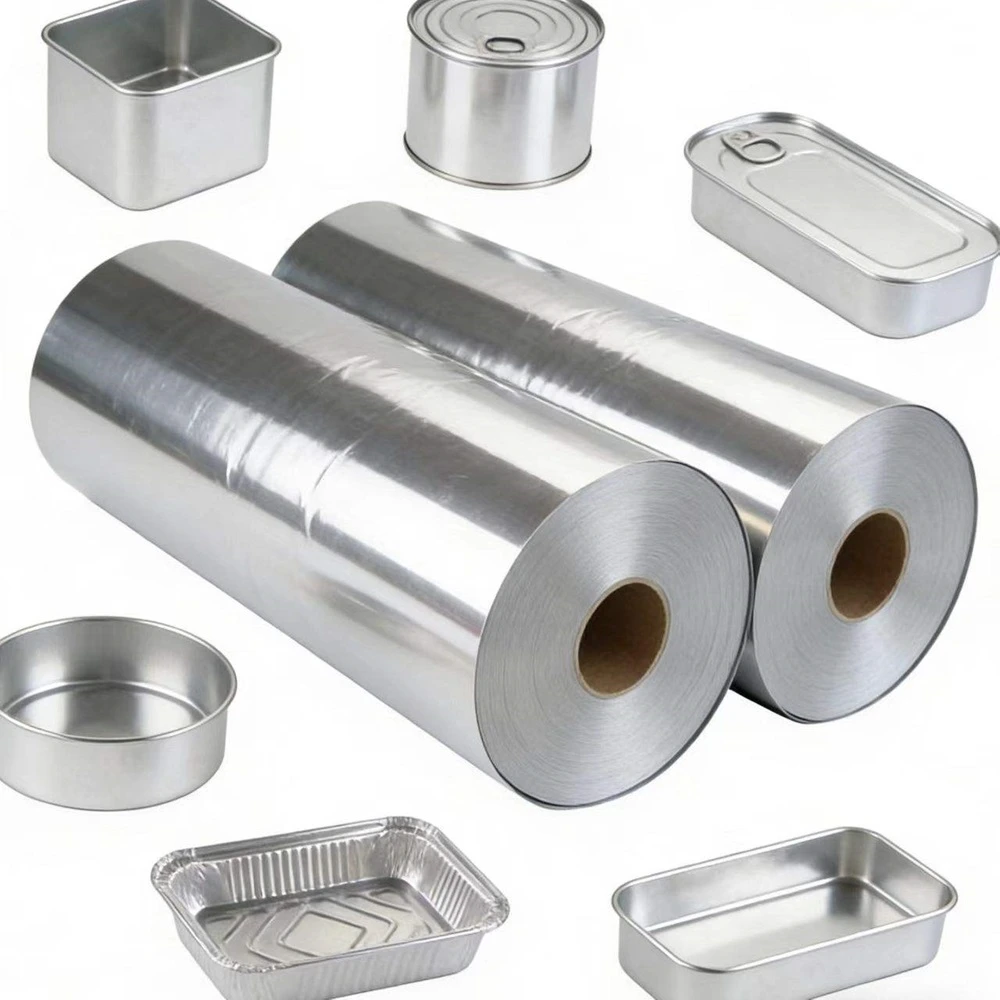
Marine Industry
Saltwater exposure makes corrosion resistance essential. 316 Stainless Steel Foil is widely used in shipbuilding and offshore structures.
Chemical Processing
Chemical plants require materials that resist aggressive substances. 316 foil meets these demands.
Medical and Pharmaceutical Use
The hygienic properties of 316 Stainless Steel Foil make it ideal for surgical tools and medical devices.
Food Processing
Food-grade equipment benefits from its resistance to acids and cleaning chemicals.
Electronics and Precision Engineering
Thin foil is perfect for precision components where durability matters.
For more options, explore the stainless foil section.
Advantages of 316 Stainless Steel Foil
316 Stainless Steel Foil offers a unique combination of properties.
It provides excellent corrosion resistance, long service life, and strong performance in harsh conditions. It also maintains its appearance over time, which is important in visible applications.
Limitations to Consider
Despite its benefits, 316 Stainless Steel Foil has some limitations.
It costs more than 304 stainless steel. It also has slightly lower strength compared to some high-strength alloys.
However, in environments where corrosion is a concern, the benefits usually outweigh the cost.
How to Choose the Right Stainless Steel Foil
Selecting the right material requires careful consideration.
Think about environmental conditions, required strength, and budget. If corrosion resistance is critical, 316 Stainless Steel Foil is often the best choice. You can explore more insights on the blog page.
Future Trends in Stainless Steel Foil
The demand for corrosion-resistant materials continues to grow.
Manufacturers are developing improved alloys and more sustainable production methods. These advancements will further enhance the performance of 316 Stainless Steel Foil.
Where to Buy High-Quality 316 Stainless Steel Foil
Sourcing reliable materials is essential for long-term success. You can explore trusted options through Homepage and Product listings
Summary
316 Stainless Steel Foil is one of the most reliable materials for corrosion resistance. Its unique composition, especially the addition of molybdenum, allows it to perform in harsh environments where other materials fail.
Although it comes at a higher cost, its durability and long lifespan make it a smart investment. Whether used in marine, chemical, or medical applications, 316 Stainless Steel Foil continues to set the standard for performance and reliability. For those looking to explore high-quality materials and technical specifications, you can get more information by visiting stainless steel foil and browsing the full product range. If you have specific requirements or need expert guidance, don’t hesitate to contact us. Our team is ready to help you choose the right solution for your application.
FAQs
Q. What makes 316 stainless steel foil corrosion-resistant?
A. 316 Stainless Steel Foil contains molybdenum, which enhances resistance to pitting and chloride corrosion.
Q. Is 316 stainless steel foil better than 304?
A. Yes, 316 Stainless Steel Foil performs better in harsh environments, especially where chlorides are present.
Q. Where is 316 stainless steel foil commonly used?
A. 316 Stainless Steel Foil is used in marine, chemical, medical, and food processing industries.
Q. Can 316 stainless steel foil handle high temperatures?
A. Yes, 316 Stainless Steel Foil maintains its properties even at elevated temperatures.
Q. What is the difference between 316 and 316L foil?
A. 316 Stainless Steel Foil has higher carbon content than 316L, which offers better corrosion resistance in welded areas.