
What Is the Difference Between Stainless Steel Foil and Stainless Steel Sheet?
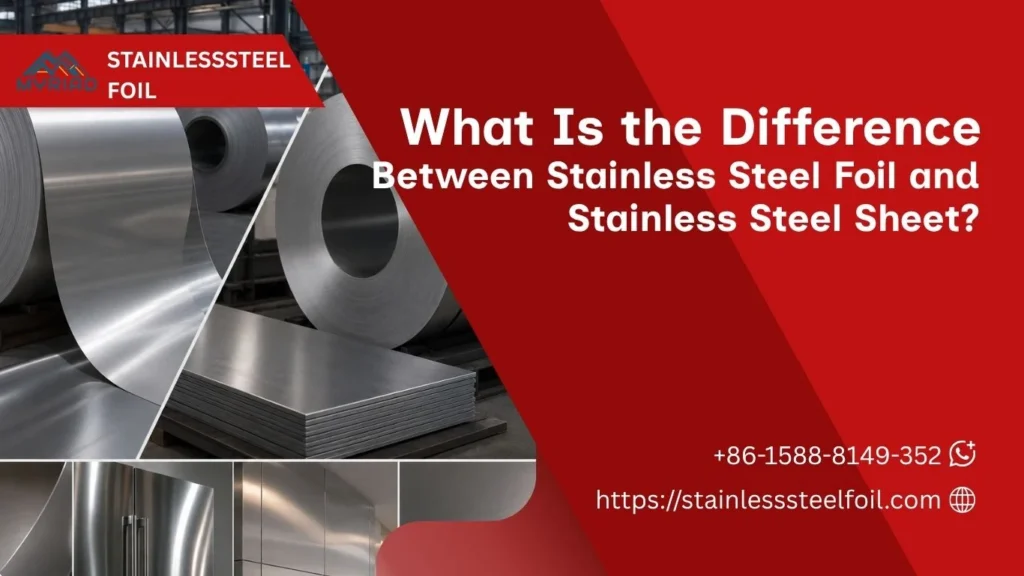
Stainless steel is one of the most versatile materials used across industries, from aerospace and automotive to food processing and medical equipment. Yet, when it comes to choosing between stainless steel foil and stainless steel sheet, many professionals and buyers find themselves confused. Both are stainless steel products, but they differ significantly in thickness, applications, […]
Stainless Steel Heat Treat Foil: How to Wrap Tools for Perfect Results
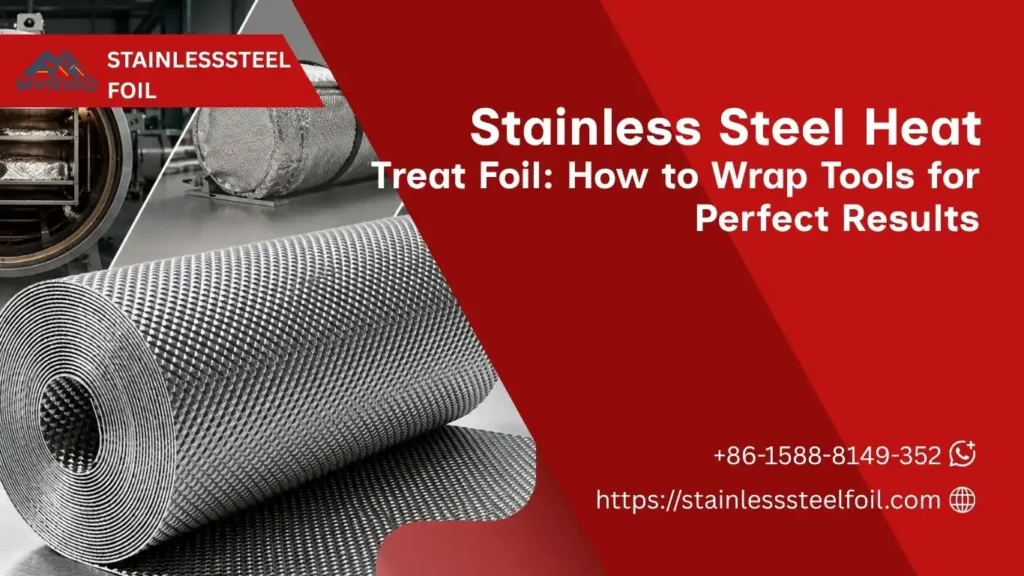
Heat treatment is a vital process in toolmaking, knife crafting, and precision engineering. To achieve flawless results, professionals rely on stainless steel heat treat foil. This specialized foil acts as a protective barrier, preventing oxidation, scaling, and contamination during high-temperature cycles. By wrapping tools securely, manufacturers and hobbyists can preserve surface finishes, reduce post-treatment cleaning, […]
Can You Reuse Stainless Steel Heat Treat Foil? Honest Answer from a Manufacturer
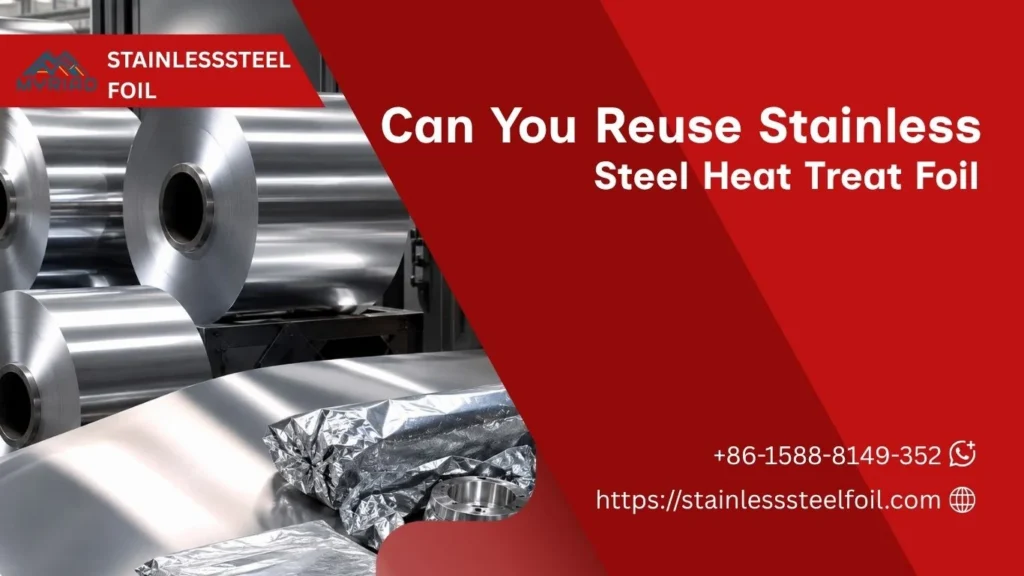
When it comes to heat treatment, precision and reliability are everything. One of the most essential tools in this process is stainless steel heat treat foil, often referred to as heat treat wrap. This specialized foil is designed to protect metal parts from oxidation, scaling, and contamination during high-temperature exposure. By creating a protective envelope […]
What Thickness of SS Foil Do You Need for Heat Treatment Wrapping?
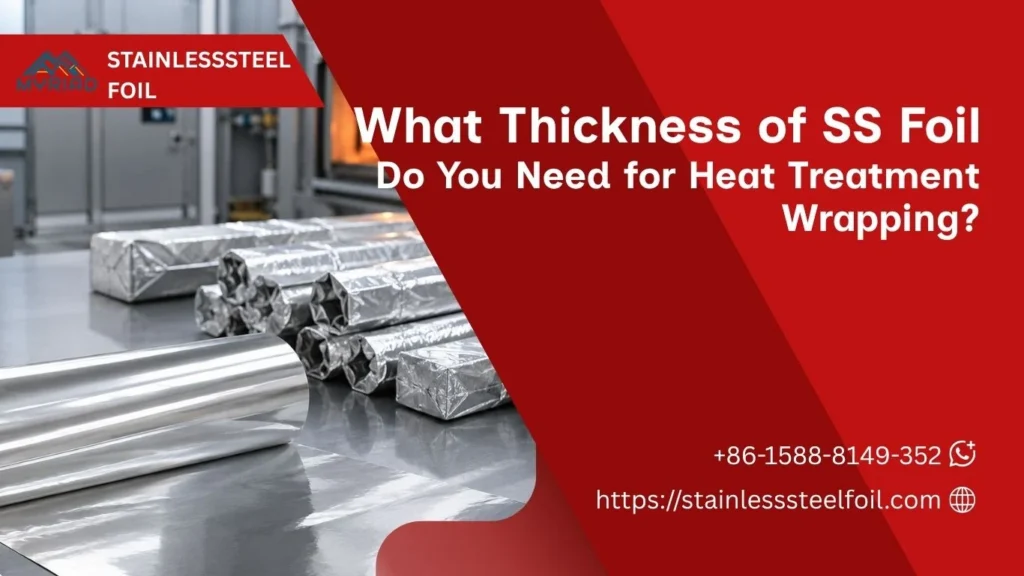
Heat treatment is a cornerstone of modern manufacturing, shaping the strength, durability, and performance of metals across industries. From aerospace turbine blades to automotive engine components, the process ensures that metals achieve the desired hardness, toughness, and resistance to wear. Yet, one often overlooked detail in this process is the thickness of stainless steel foil […]
What Thickness Stainless Steel Foil for Heat Treat Wrap
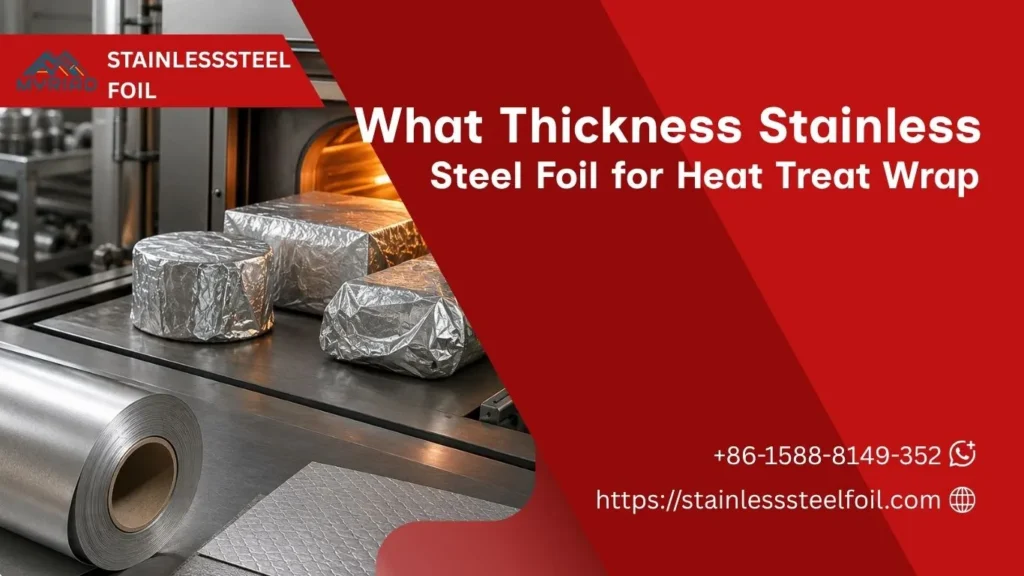
Heat treating is one of the most important processes in metallurgy, knife-making, aerospace, and automotive industries. During this process, metals are exposed to extremely high temperatures to alter their hardness, strength, and durability. However, without proper protection, metals can suffer from oxidation, scaling, and contamination, which reduces their performance and lifespan. This is where stainless […]
Stainless Steel Grade Comparison Chart 301 304 316
Stainless steel is an alloy primarily composed of iron, chromium, and nickel. Its resistance to corrosion, durability, and versatility make it one of the most widely used materials in modern manufacturing. Each stainless steel grade has unique characteristics that determine its suitability for specific environments. Grades such as 301, 304, and 316 are among the […]
304L vs 304 Stainless Steel what does the L mean
When comparing 304L vs 304 stainless steel, the “L” stands for Low Carbon. This small adjustment in carbon content makes 304L more suitable for welded applications, reducing the risk of carbide precipitation and weld decay. Both grades are widely used in industries ranging from food processing to petrochemicals, but choosing the right one depends on […]
Does Aluminum Foil Clean Stainless Steel? The Real Answer
Stainless steel is celebrated for its durability, sleek appearance, and resistance to corrosion, making it a favorite in kitchens, industries, and architectural projects. Yet, one question continues to intrigue homeowners and professionals alike: Does aluminum foil clean stainless steel? The idea of using a simple household item like foil to restore shine or remove rust […]
What Grade Stainless Steel Foil for Food Contact
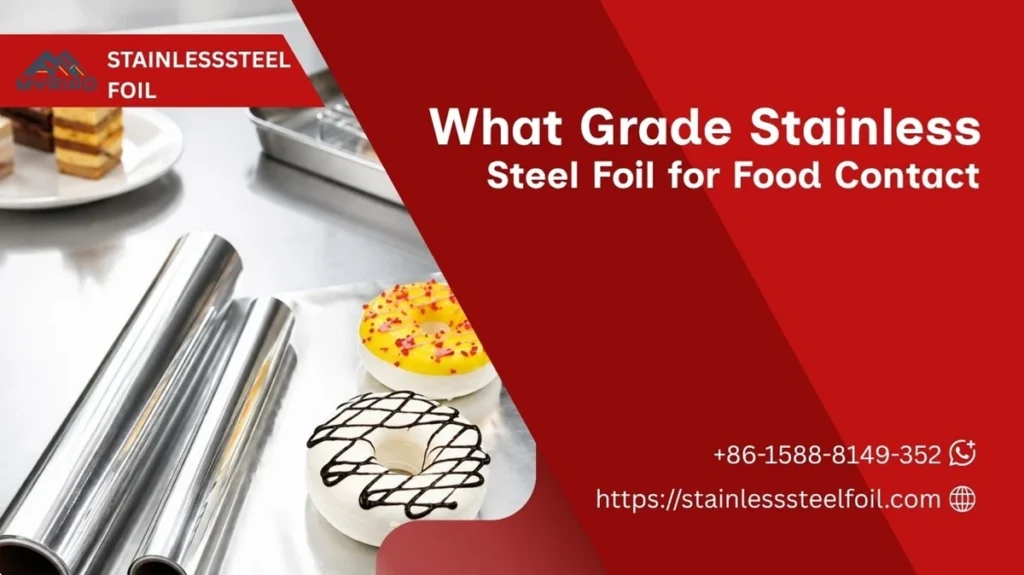
Selecting the right grade stainless steel foil for food is essential to ensure safety, durability, and compliance with international standards. Stainless steel foil is widely used in food packaging, storage, and processing because of its corrosion resistance, hygienic surface, and long-lasting performance. Among the available grades, 304 stainless steel foil is the most common choice, […]
is 316L Better than 304 for Marine Applications
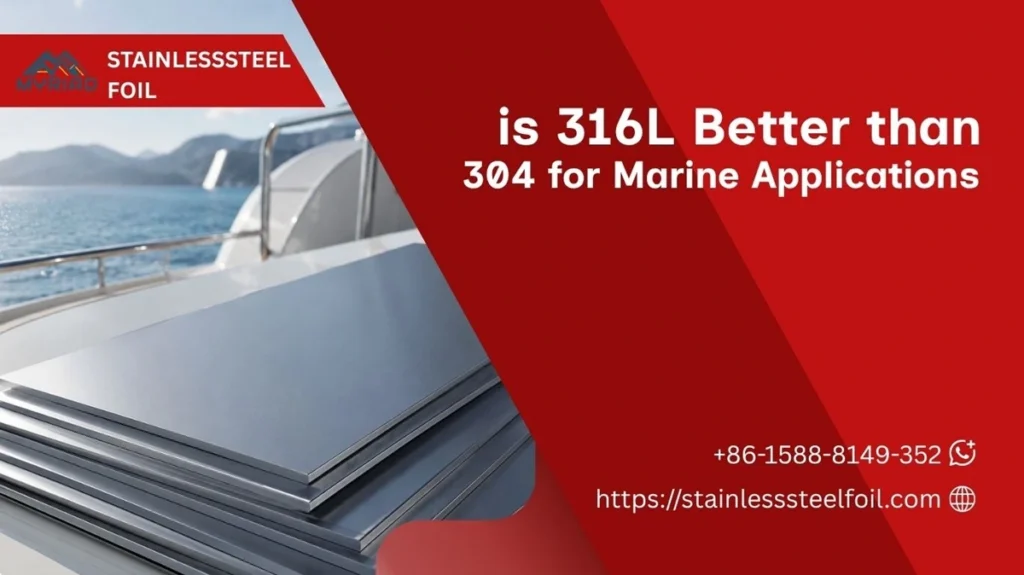
Marine environments are some of the most corrosive conditions for metals, where saltwater, humidity, and chloride ions constantly attack exposed surfaces. Choosing the right stainless steel grade is crucial for ensuring durability, safety, and cost-effectiveness in shipbuilding, offshore engineering, and coastal construction. The debate often centers on is 316L better than 304, since both are […]