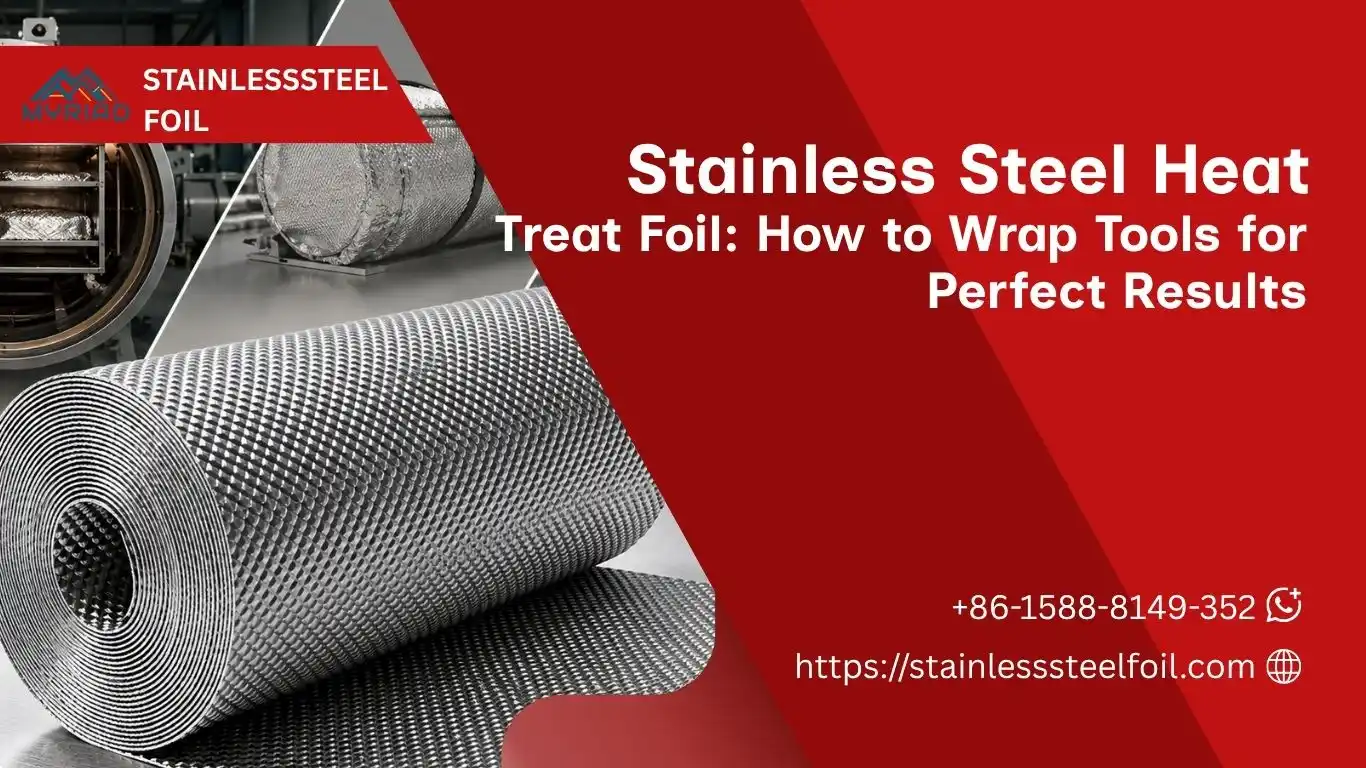
Heat treatment is a vital process in toolmaking, knife crafting, and precision engineering. To achieve flawless results, professionals rely on stainless steel heat treat foil. This specialized foil acts as a protective barrier, preventing oxidation, scaling, and contamination during high-temperature cycles. By wrapping tools securely, manufacturers and hobbyists can preserve surface finishes, reduce post-treatment cleaning, and maintain dimensional accuracy. Whether you’re working with knives, aerospace components, or medical instruments, stainless steel foil ensures consistent performance. Learn how to wrap tools correctly and explore why Stainless Steel Foil is the trusted source for premium heat treat foil.
Why Stainless Steel Heat Treat Foil Matters
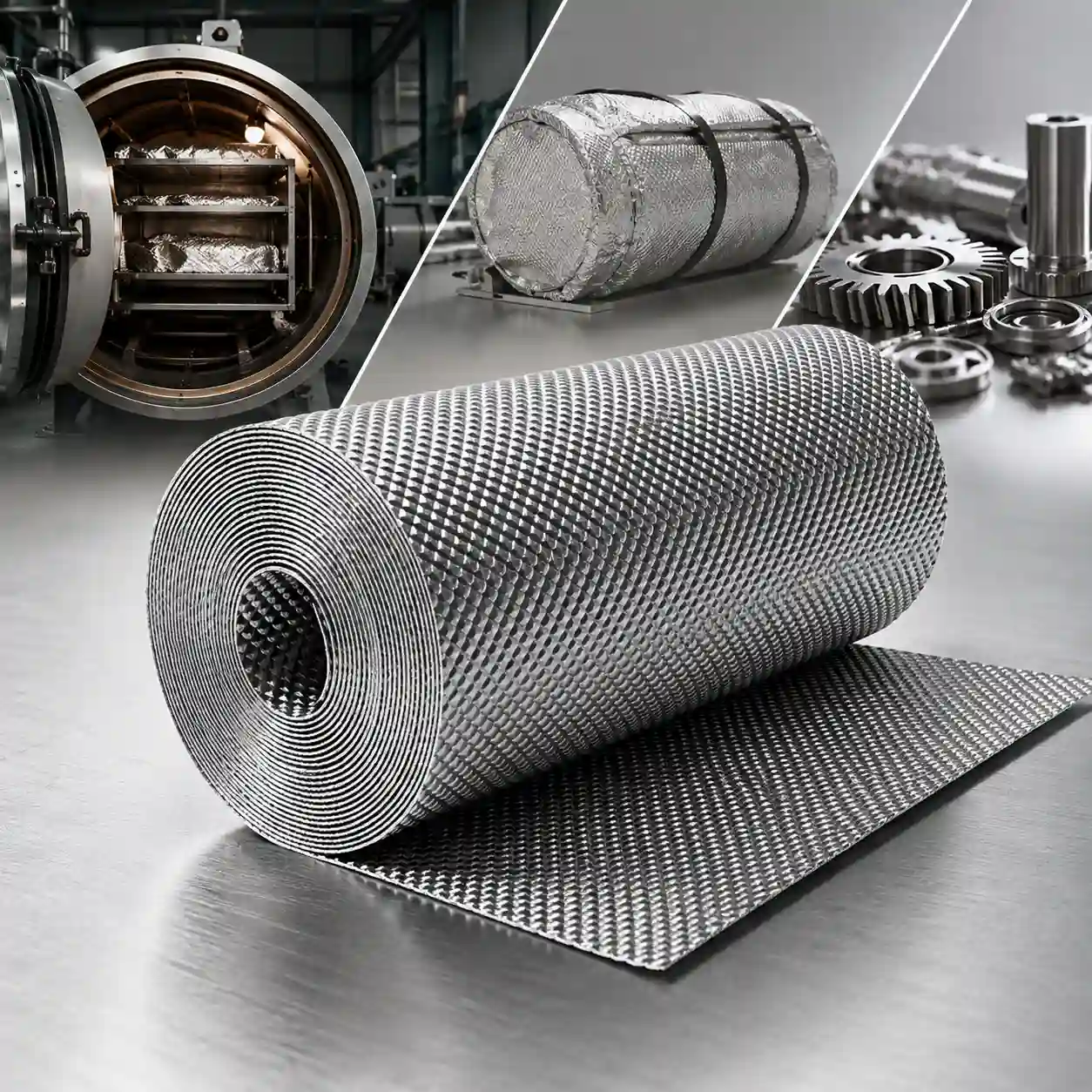
Heat treatment is a transformative process in metallurgy, but it comes with challenges that can compromise the integrity of tools and blades. When steel is exposed to extreme temperatures, oxidation and scaling occur, leaving behind a rough, discolored surface that requires extensive finishing. This is where stainless steel heat treat foil becomes indispensable. Acting as a protective barrier, the foil creates an oxygen-free environment around the tool, preventing unwanted reactions during heating.
For knife makers, machinists, and aerospace engineers, the benefits are clear: tools maintain their polished finish, dimensional accuracy is preserved, and costly post-treatment grinding is minimized. According to Stainless Steel Foil, using foil can reduce cleanup time by more than 50%, making it both a practical and economical choice. Additionally, specialized grades like 301 stainless steel foil offer high strength for demanding applications, while 316 stainless steel foil provides superior corrosion resistance.
In industries where precision and reliability are non-negotiable, stainless steel heat treat foil ensures consistent results. By integrating this simple yet effective solution, manufacturers and hobbyists alike can elevate their craftsmanship and protect their investments.
How to Wrap Tools with Stainless Steel Heat Treat Foil
Wrapping tools correctly with stainless steel heat treat foil is the key to achieving flawless heat treatment results. Each step plays a vital role in ensuring the tool remains protected from oxidation, scaling, and contamination during the heating cycle.
Choose the Right Thickness: Foil thickness determines durability and ease of use. For most knives, blades, and small tools, 0.002” to 0.003” foil is ideal. Thinner foil risks tearing under stress, while thicker foil may be harder to fold tightly. For industrial applications like aerospace or automotive parts, thicker grades provide added strength. You can explore detailed thickness recommendations in this guide.
Cut the Foil Cut a piece large enough to fully enclose the tool, leaving extra material for folding and sealing. Precision here ensures complete coverage, which is essential for creating an oxygen-free environment.
Wrap the Tool: Place the tool in the center of the foil and fold edges tightly. Any gaps can allow oxygen to penetrate, leading to oxidation. A snug wrap ensures maximum protection.
Seal the Package: Double-fold seams to prevent leaks. Many professionals use crimping tools for added security. Proper sealing is critical because even a small opening can compromise the entire process.
Heat Treat: Insert the wrapped tool into the furnace. The foil will shield it throughout the heating cycle, preserving its finish and dimensional accuracy. After treatment, allow the tool to cool before unwrapping to avoid burns and maintain integrity.
Benefits of Using Stainless Steel Heat Treat Foil
| Benefit | Explanation |
|---|---|
| Oxidation Prevention | Creates an airtight barrier against oxygen. |
| Surface Protection | Maintains polished or ground finishes. |
| Reduced Cleaning | Eliminates the need for heavy grinding after treatment. |
| Dimensional Accuracy | Prevents warping and scaling. |
| Cost Efficiency | Saves time and reduces tool wear. |
Applications of Stainless Steel Heat Treat Foil
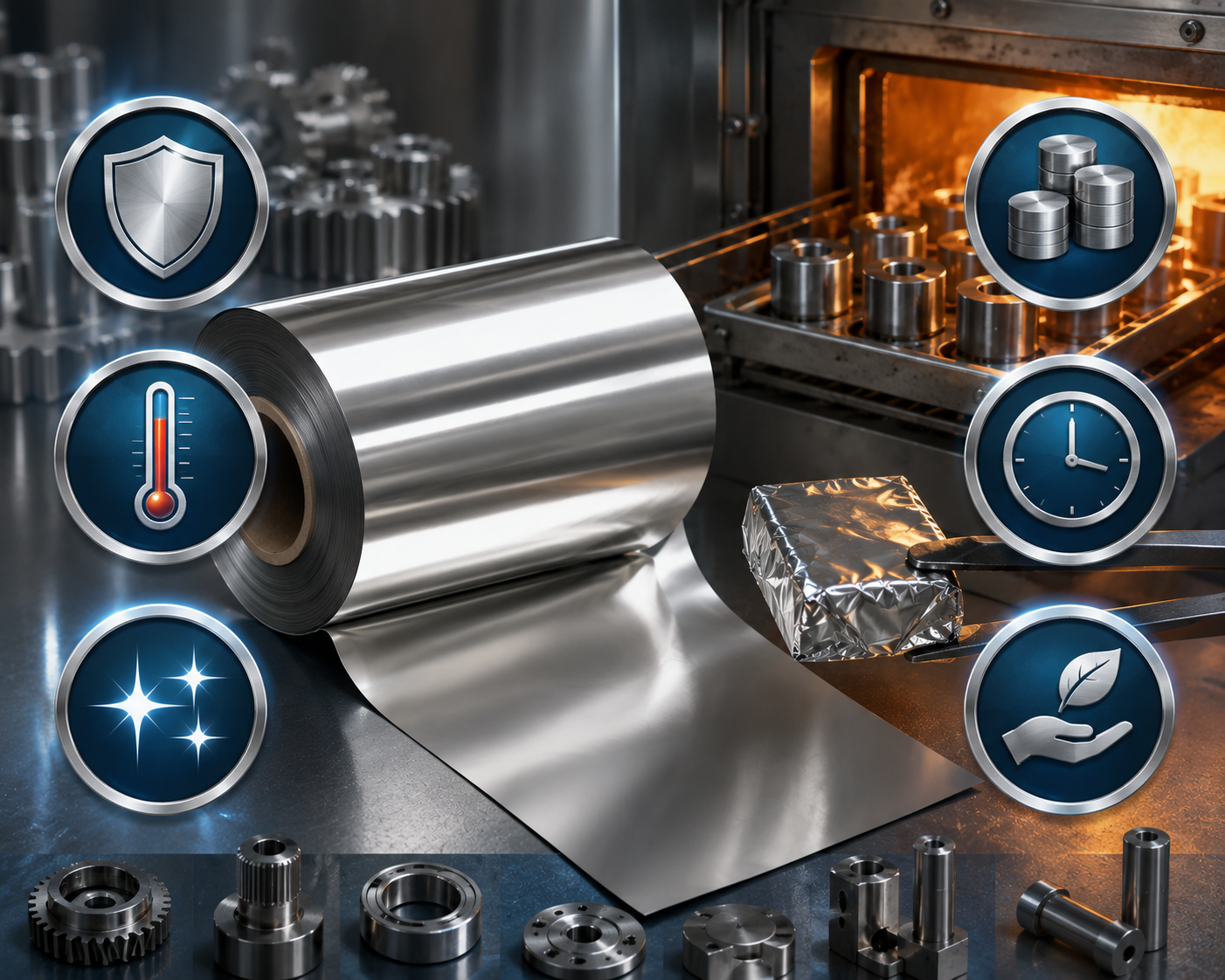
The versatility of stainless steel heat treat foil makes it indispensable across multiple industries. In knife making, artisans use the foil to protect blades during high-temperature cycles, ensuring sharpness and a polished finish without the need for extensive post-treatment grinding. In the aerospace sector, precision components wrapped in foil maintain dimensional accuracy, which is critical for safety and performance. Automotive manufacturers also rely on foil to harden tools and parts, reducing wear and extending service life.
Medical professionals benefit from stainless steel foil when heat treating surgical instruments, as it preserves corrosion resistance and ensures sterile surfaces. Specialized grades like 301 stainless steel foil are ideal for high-strength applications, while 316 stainless steel foil offers superior protection in environments exposed to moisture or chemicals. Even in food processing, stainless steel foil plays a role in maintaining hygienic standards during equipment treatment, as explained in this guide on food-grade stainless steel.
From hobbyists crafting knives to engineers designing aerospace tools, stainless steel heat treat foil ensures durability, precision, and efficiency. Its broad applications highlight why it remains a trusted solution across industries worldwide.
Mistakes to Avoid
Even though stainless steel heat treat foil is simple to use, certain mistakes can compromise results. One common error is loose wrapping, which allows oxygen to seep in and causes oxidation. Another mistake is choosing the wrong thickness; too thin may tear under heat, while too thick can be difficult to fold properly. Poor sealing is also a frequent issue—single folds often fail, so double-folding seams is essential. Finally, reusing foil is a mistake many beginners make. Once exposed to high heat, the foil loses integrity and should always be replaced. For expert guidance, visit Stainless Steel Foil.
Expert Tips for Perfect Results
Achieving flawless outcomes with stainless steel heat treat foil requires attention to detail and a few professional tricks. Always preheat your furnace to stabilize the temperature before inserting wrapped tools, as sudden fluctuations can compromise results. Use gloves when handling foil to avoid contamination and fingerprints, which may weaken the seal. Double-fold seams tightly to ensure an oxygen-free environment, and never rush the cooling process—allow wrapped tools to cool fully before unwrapping. For specialized applications, explore premium grades like stainless steel foil sheets to match your project’s needs. These expert practices guarantee consistent, high-quality heat treatment results every time.
Summary
stainless steel heat treat foil is an essential tool for achieving precision and durability in heat treatment processes. By wrapping tools, knives, or industrial components, you can effectively prevent oxidation, scaling, and surface damage. This simple yet powerful solution saves time, reduces post-treatment cleanup, and ensures consistent results across industries such as aerospace, automotive, medical, and knife making.
For more insights, explore the detailed blog posts and discover premium products tailored to your needs. If you have specific questions or require expert guidance, reach out directly via the contact us page to get professional support. Stainless steel heat treat foil truly elevates craftsmanship and performance.
FAQs
Q: Why is stainless steel heat treat foil important?
A: Stainless steel heat treat foil prevents oxidation and scaling during heat treatment. It creates an oxygen-free environment, keeping tools clean and polished while reducing post-treatment grinding.
Q: What thickness of foil should I use?
A: For most knives and small tools, 0.002”–0.003” foil works best. Thicker foil is used for aerospace or automotive parts. See this thickness guide for details.
Q: Can stainless steel heat-treat foil be reused?
A: No, once exposed to high heat, foil loses its protective qualities. Always use fresh foil for each cycle. High-quality options are available on the product page.
Q: Which industries use stainless steel heat treat foil?
A: It’s widely used in knife making, aerospace, automotive, medical instruments, and food processing. Specialized grades like 301 stainless steel foil and 316 stainless steel foil serve different needs.