Heat treatment is a cornerstone of modern manufacturing, shaping the strength, durability, and performance of metals across industries. From aerospace turbine blades to automotive engine components, the process ensures that metals achieve the desired hardness, toughness, and resistance to wear. Yet, one often overlooked detail in this process is the thickness of stainless steel foil used for heat treatment wrapping. This seemingly small choice can have a profound impact on the quality of the final product.
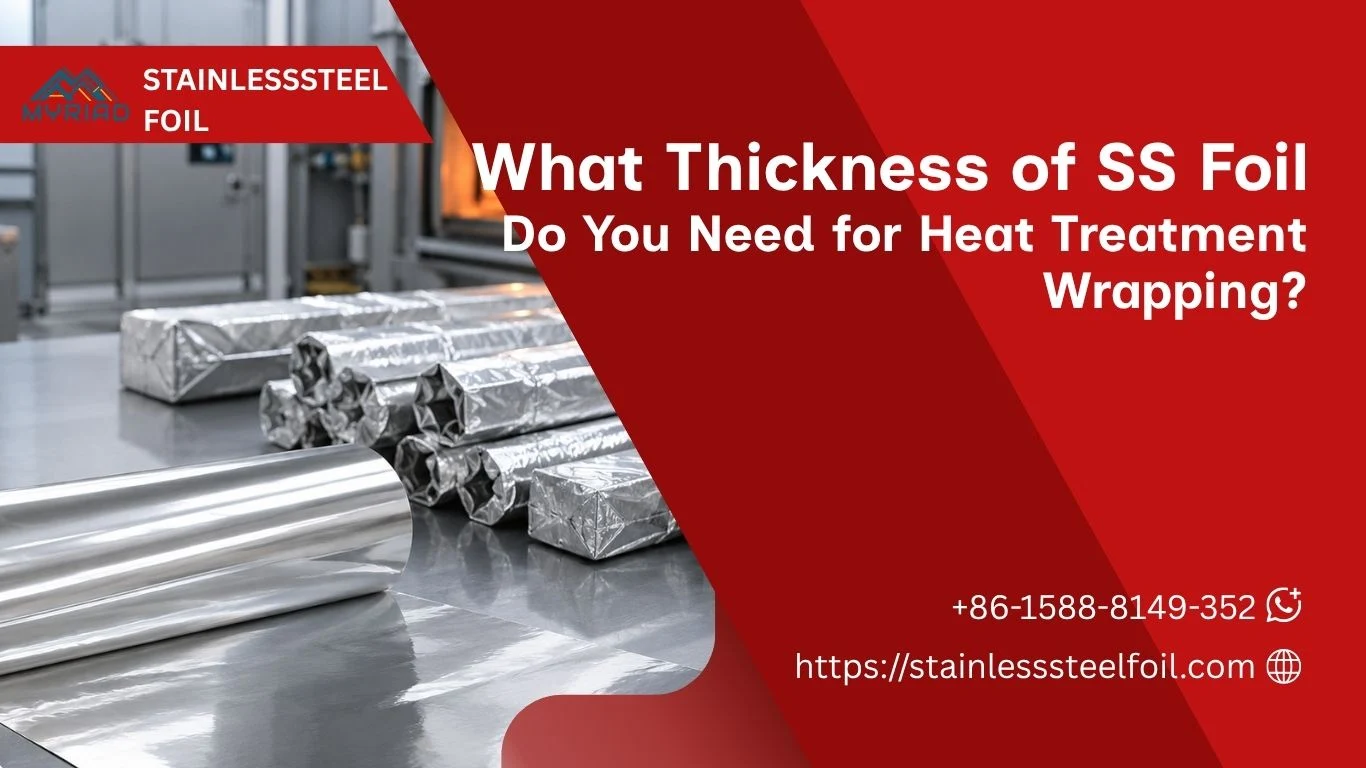
When metals are exposed to high temperatures, they risk oxidation, scaling, and contamination. Stainless steel foil acts as a protective shield, wrapping the workpiece tightly to prevent exposure to atmospheric gases. The thickness of this foil determines how well it can withstand extreme heat, resist tearing during sealing, and maintain a secure barrier throughout the cycle. Too thin, and the foil may rupture or fail to protect the part. Too thick, and it may become difficult to handle, costly, or impractical for smaller components.
Manufacturers must balance durability, flexibility, and cost efficiency when selecting foil thickness. For example, aerospace engineers often rely on thicker foils to protect critical turbine blades, while toolmakers may prefer mid-range thicknesses that offer both strength and ease of use. Precision industries, such as medical device manufacturing, sometimes opt for ultra-thin foils to wrap delicate instruments without adding bulk.
Stainless Steel Foil
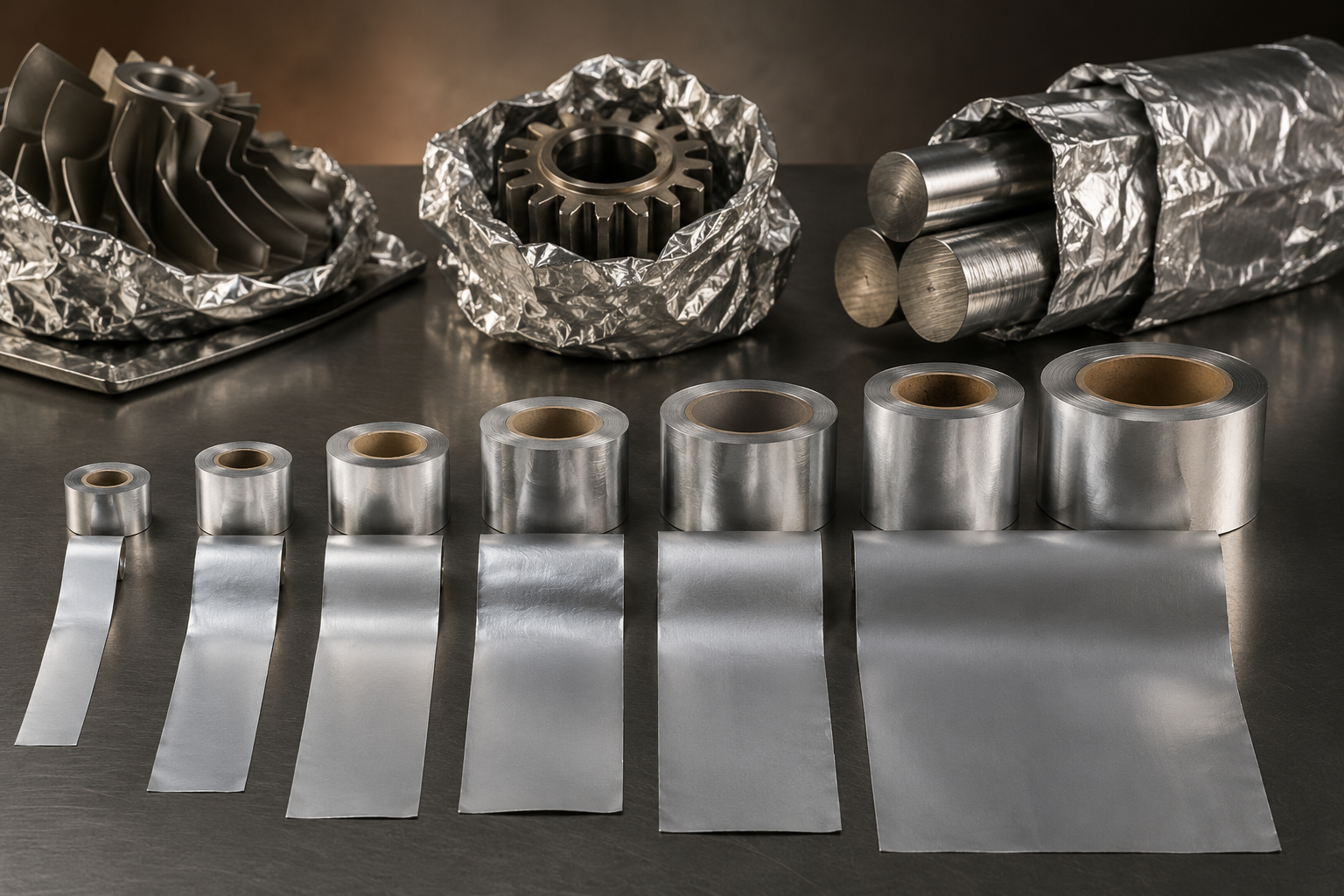
Stainless steel foil is one of the most versatile materials used across industries, offering a unique combination of strength, flexibility, and corrosion resistance. Unlike thicker stainless steel sheets or plates, foil is produced in ultra-thin gauges, often ranging from 0.01 mm to 0.2 mm, making it suitable for precision applications where durability and lightweight protection are essential. Its ability to withstand extreme temperatures and resist oxidation makes it indispensable in processes like heat treatment wrapping, electronics manufacturing, and medical device production.
The production of stainless steel foil involves advanced rolling and annealing techniques to achieve uniform thickness and consistent mechanical properties. This ensures that the foil can be used reliably in demanding environments. For example, aerospace engineers rely on stainless steel foil to protect turbine blades during heat treatment, while automotive manufacturers use it to wrap engine components, preventing scaling and contamination. You can explore more about the manufacturing process here: How Stainless Steel Foil is Made.
Different grades of stainless steel foil serve different purposes. 304 stainless steel foil is widely used due to its balance of cost and performance, while 316L stainless steel foil offers superior resistance to corrosion and chemicals, making it ideal for harsher environments. For detailed insights, see 304 Stainless Steel Foil Properties and 316L Stainless Steel Foil Ultrathin.
Whether used in industrial heat treatments, precision instruments, or automotive components, stainless steel foil continues to be a critical material for modern engineering. Its adaptability, combined with the ability to choose the right thickness and grade, ensures that manufacturers can achieve both efficiency and quality in their processes. For product options, visit Stainless Steel Foil Products.
Thicknesses for Heat Treatment Wrapping
Different applications require different foil thicknesses. Below is a comparison of commonly used thicknesses:
| Foil Thickness | Best Use Case | Advantages | Limitations |
|---|---|---|---|
| 0.01 mm (Ultra-thin) | Precision instruments, small components | Lightweight, flexible | Tears easily, limited protection |
| 0.02–0.05 mm | General heat treatment wrapping | Balanced strength and flexibility | May require double wrapping |
| 0.08–0.1 mm | Aerospace, automotive parts | Strong seal, high durability | Slightly less flexible |
| 0.15–0.2 mm | Heavy-duty industrial applications | Maximum protection against oxidation | More expensive, harder to fold |
For specific product details, see Stainless Steel Foil Products.
Factors Influencing Thickness Selection
Selecting the right thickness of stainless steel foil for heat treatment wrapping is not a one-size-fits-all decision. Several critical factors determine whether a thinner or thicker foil will deliver the best results.
Temperature Range is the first consideration. At lower temperatures, thinner foil can provide adequate protection, but once the process exceeds 1000°C, durability becomes essential. In these cases, foil of 0.1 mm or thicker is often recommended to prevent rupture and ensure the workpiece remains sealed throughout the cycle.
Component Size also plays a major role. Large industrial parts, such as automotive engine blocks or aerospace turbine blades, require stronger wrapping to withstand handling and sealing. Smaller precision components, like surgical tools or delicate cutting instruments, can be safely wrapped with thinner foil without compromising protection.
Atmospheric Conditions must be evaluated as well. In controlled environments such as vacuum furnaces, thinner foil may suffice because oxidation risks are lower. However, in open-air furnaces where exposure to oxygen is unavoidable, thicker foil becomes essential to maintain a protective barrier.
Finally, Cost Efficiency cannot be ignored. While thicker foil provides superior protection, it comes at a higher material cost. Manufacturers must balance durability with budget, ensuring that the chosen thickness aligns with both performance requirements and financial considerations.
Recommended Thickness for Different Industries
In automotive manufacturing, foil thickness between 0.08–0.1 mm is commonly used for engine and transmission components, offering a balance of strength and flexibility (Automotive Applications).
The aerospace industry often requires 0.1–0.15 mm foil to protect turbine blades and structural components during extreme heat treatment cycles.
For medical instruments, ultra-thin foil in the range of 0.01–0.02 mm is preferred, as it provides precision wrapping without adding unnecessary bulk.
In tool manufacturing, mid-range thicknesses of 0.05–0.08 mm are ideal for cutting tools and dies, ensuring durability while maintaining ease of use.
Grades of Stainless Steel Foil for Heat Treatment Wrapping
When selecting stainless steel foil for heat treatment wrapping, the grade of the material is just as important as its thickness. Different grades offer varying levels of corrosion resistance, strength, and flexibility, which directly influence performance during high-temperature processes. Understanding these grades ensures manufacturers choose the right foil for their specific applications.
304 Stainless Steel Foil is one of the most widely used options. Known for its balance of affordability and performance, it provides excellent oxidation resistance and mechanical strength. This makes it suitable for general-purpose heat treatment wrapping across industries such as automotive and tool manufacturing. For more details, see 304 Stainless Steel Foil Properties and Applications.
316L Stainless Steel Foil offers superior corrosion resistance due to its higher nickel and molybdenum content. It is particularly effective in environments where exposure to chemicals or extreme heat is common. Aerospace and medical industries often prefer 316L foil because it maintains integrity under demanding conditions. Explore more here: 316L Stainless Steel Foil Ultrathin.
Other specialized grades are also available, depending on the application. For example, high-temperature alloys are used in aerospace turbine blade wrapping, while ultra-thin foils are chosen for delicate surgical instruments. Each grade provides unique benefits, and the choice depends on balancing cost, durability, and environmental demands.
For a complete overview of the best grades suited to different industries, visit Best Stainless Steel Foil Grade for Heat.
Practical Tips for Using Stainless Steel Foil Wrap
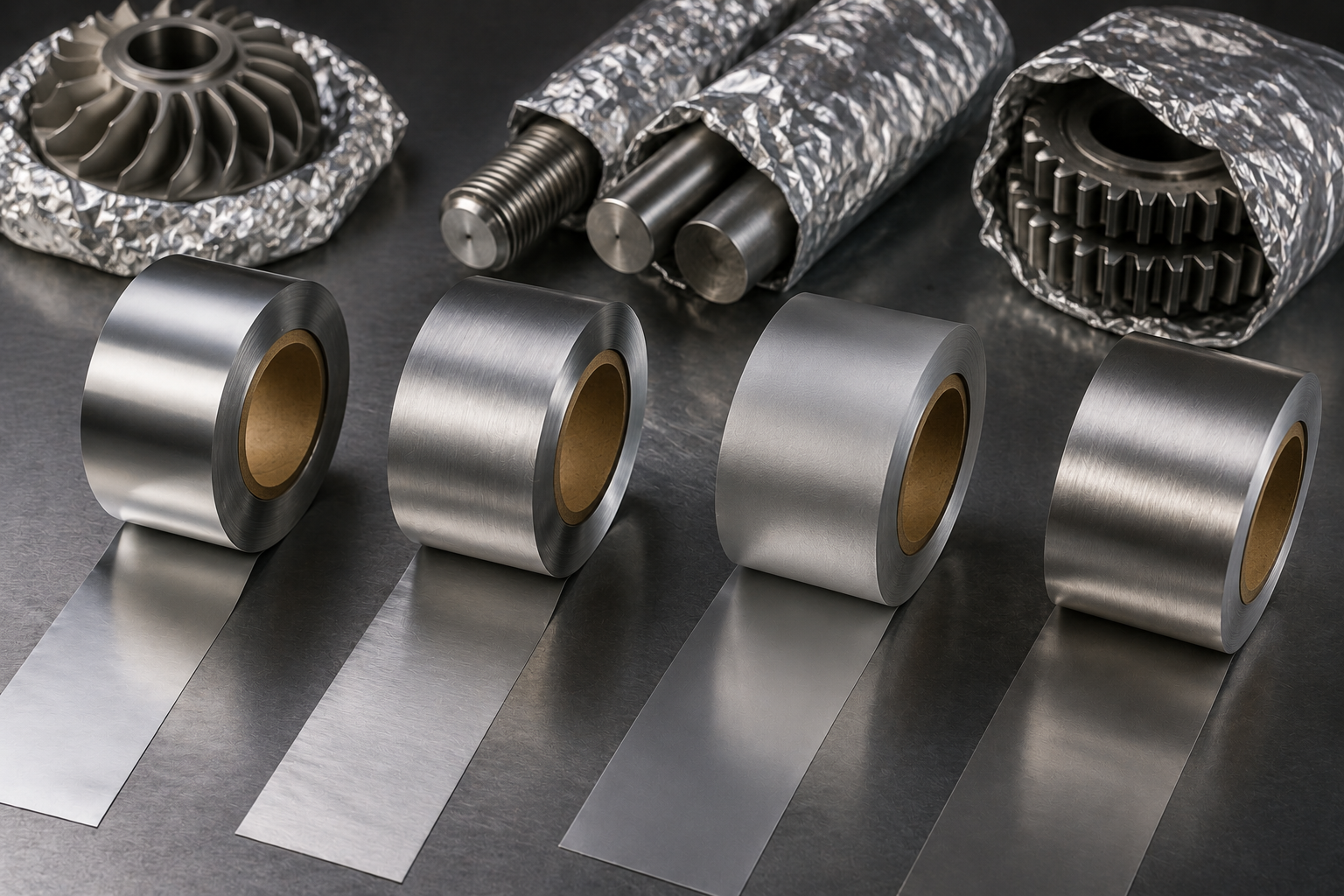
Using stainless steel foil wrap effectively during heat treatment wrapping requires attention to detail. The foil acts as a protective barrier against oxidation and contamination, but its performance depends on how it is handled. One of the most important tips is to always ensure a tight seal. If the foil is not folded and pressed firmly around the component, oxygen can seep in, leading to scaling or discoloration.
When working with thinner foils, such as 0.02–0.05 mm, it is often wise to double-wrap the part. This adds strength and reduces the risk of tearing during the heating cycle. For thicker foils, like 0.1 mm, a single wrap is usually sufficient, but care must be taken to fold edges neatly to avoid gaps.
Another practical consideration is storage. Stainless steel foil should be kept in a clean, dry environment before use. Contaminants such as dust, oil, or moisture can compromise its protective qualities. Handling foil with clean gloves is recommended to prevent fingerprints or residues from affecting the wrap.
Finally, avoid reusing foil. Once exposed to high heat, the material loses its integrity and cannot provide reliable protection in subsequent cycles. For more guidance, explore Stainless Steel Foil Wrap for Heat Treating.
Summary
Choosing the right thickness and grade of stainless steel foil is essential for successful heat treatment wrapping. The foil acts as a protective barrier against oxidation, scaling, and contamination during high-temperature processes. Thinner foils are ideal for precision instruments, while thicker foils provide durability for aerospace and automotive components. Grades such as 304 stainless steel foil offer cost-effective versatility, while 316L stainless steel foil delivers superior corrosion resistance in demanding environments.
Manufacturers must consider temperature range, component size, atmospheric conditions, and cost efficiency when selecting foil thickness. Proper handling—such as double-wrapping thinner foils, sealing edges tightly, and avoiding reuse—ensures consistent results. For more detailed insights, explore our Blog where we cover stainless steel foil applications, thickness guides, and industry-specific recommendations.
To view available products, visit our Stainless Steel Foil Products page. For personalized guidance or bulk orders, reach out through our Contact Us page.
FAQs
What thickness of stainless steel foil is most commonly used for heat treatment wrapping?
The choice of thickness depends heavily on the type of component and the heat treatment process. For general industrial applications, foil in the range of 0.05–0.08 mm is widely used because it provides a good balance between flexibility and durability.
Which stainless steel grade is better for heat treatment wrapping—304 or 316L?
Both grades are excellent, but they serve different needs. 304 stainless steel foil is cost-effective and widely used for general applications. It offers good oxidation resistance and mechanical strength, making it suitable for most industrial processes. 316L stainless steel foil, however, contains higher nickel and molybdenum, giving it superior corrosion resistance.
How do atmospheric conditions affect foil thickness selection?
Atmospheric conditions are a critical factor in determining foil thickness. In vacuum furnaces or controlled atmospheres, thinner foil can be used because oxidation risks are minimal. In open-air furnaces, however, oxygen exposure is unavoidable, and thicker foil becomes essential to maintain a protective barrier. For example, a 0.1 mm foil is often recommended in open-air conditions to ensure the workpiece remains sealed and protected. Understanding the furnace environment helps manufacturers select the right foil for effective heat treatment wrapping.
What practical tips ensure successful heat treatment wrapping with stainless steel foil?
To achieve the best results, always seal edges tightly to prevent leaks. When using thinner foil, double-wrap the component to reduce the risk of tearing. Store foil in a clean, dry environment before use, as contaminants like dust or oil can compromise its protective qualities. Handle foil with clean gloves to avoid fingerprints or residues. Following these steps ensures consistent and reliable heat treatment wrapping, protecting components across industries from oxidation and scaling.