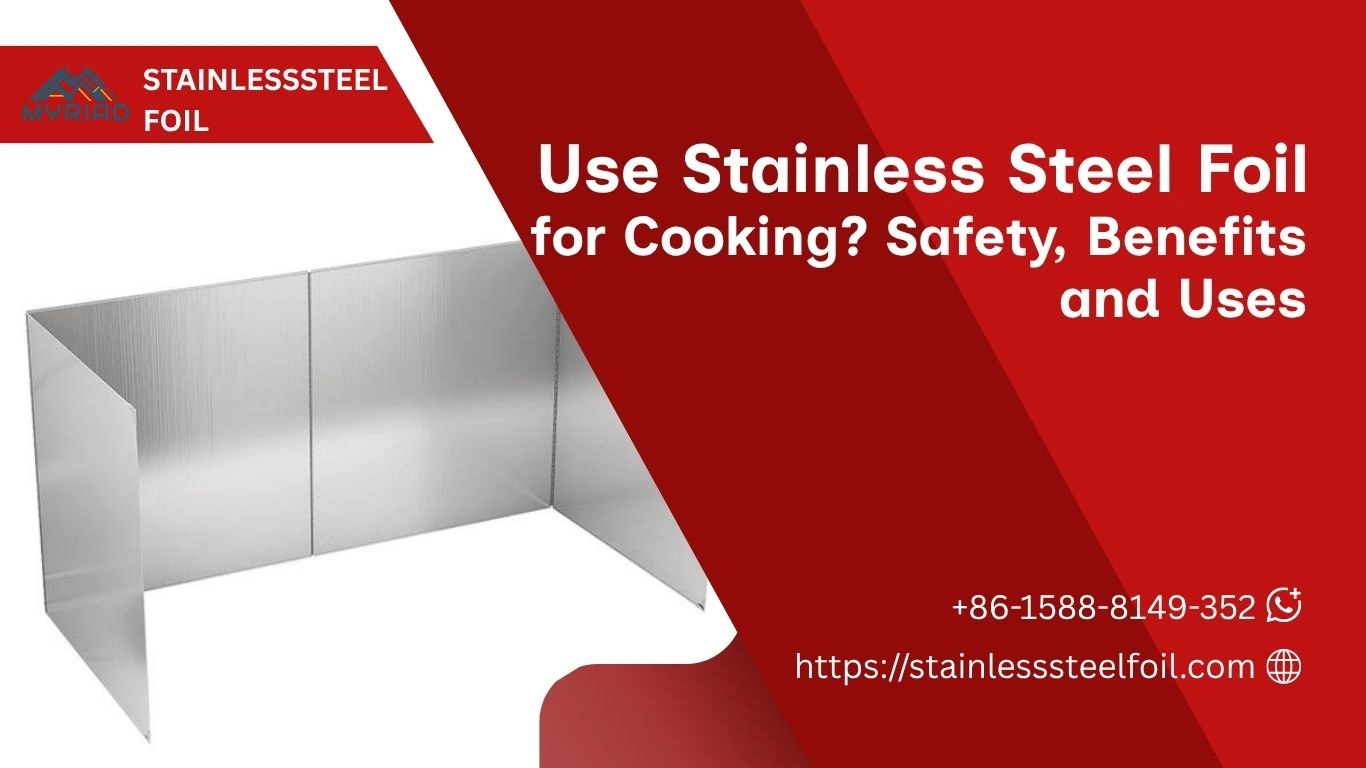
Cooking materials have changed significantly over the years. While aluminum foil still dominates most kitchens, many professional chefs and industrial food manufacturers now explore stainless steel foil for cooking as a safer and more durable alternative.
People often wonder whether stainless steel foil is actually safe for direct food contact. Others ask if it performs better than aluminum foil during baking, grilling, or high-temperature cooking. The answer depends on how the foil is used, the cooking temperature, and the type of food being prepared.
This guide explains everything you need to know about stainless steel foil for cooking, including safety, heat resistance, advantages, limitations, industrial applications, and the differences between stainless steel and aluminum foil. To learn more about industrial-grade foil products, visit the official Stainless Steel Foil website.
What Is Stainless Steel Foil?
According to Wikipedia’s guide to stainless steel, stainless steel is an iron-based alloy that contains chromium for corrosion resistance.
Stainless steel foil is an ultra-thin sheet of stainless steel manufactured with high precision. Depending on the application, the foil may be extremely flexible while still maintaining excellent strength and heat resistance.
Unlike aluminum foil, stainless steel foil does not easily tear or deform under high temperatures. Because of this, industries use it in demanding environments such as aerospace, electronics, medical manufacturing, and increasingly, food processing.
If you are unfamiliar with foil specifications, this article about What Is Stainless Steel Foil provides a detailed introduction.
Can You Safely Use Stainless Steel Foil for Cooking?
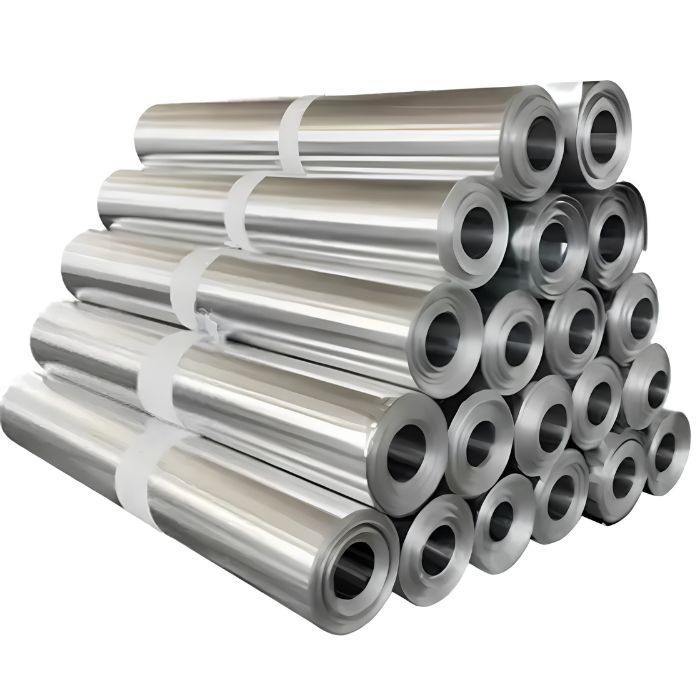
Yes, stainless steel foil for cooking is generally safe when manufacturers produce it using food-grade stainless steel materials.
Food-grade stainless steel contains corrosion-resistant elements that help prevent chemical reactions with food. This is one reason stainless steel already dominates commercial cookware, kitchen equipment, and food preparation surfaces worldwide.
Compared with aluminum foil, stainless steel foil offers several safety advantages:
- Better resistance to acidic foods
- Reduced risk of material degradation
- Superior durability under heat
- Longer lifespan
- Lower likelihood of tearing during cooking
Professional kitchens often prefer stainless steel surfaces because they are easy to sanitize and maintain.
Why More People Are Considering Stainless Steel Cooking Foil
Consumers today pay more attention to food safety and long-term material durability. That trend has increased interest in stainless steel cooking foil.
Traditional aluminum foil works well for many basic cooking tasks. However, repeated exposure to high heat and acidic ingredients may cause aluminum transfer into food under certain conditions.
Although regulatory agencies still consider aluminum foil safe for most uses, many health-conscious consumers prefer alternatives with greater stability.
Stainless steel foil provides that extra confidence because it resists corrosion and maintains structural integrity at elevated temperatures.
Stainless Steel Foil vs Aluminum Foil for Cooking
One of the most common comparisons involves aluminum foil on stainless steel cooking systems.
Both materials have strengths and weaknesses. Understanding the differences helps consumers and food manufacturers choose the right option.
Heat Resistance
Stainless steel foil handles much higher temperatures than aluminum foil.
Aluminum foil begins losing strength at high temperatures and melts around 660°C. Stainless steel can withstand temperatures above 1400°C depending on the alloy.
This makes stainless steel foil especially useful for:
- High-temperature ovens
- Commercial grills
- Industrial food processing
- Repeated heating cycles
For detailed technical comparisons, read Difference Between Aluminium Foil and Stainless Steel Foil for Cooking Purposes.
Durability
Stainless steel foil is significantly stronger than aluminum foil.
Aluminum foil tears easily during wrapping or grilling. Stainless steel foil maintains its structure much longer.
This added durability benefits:
- Commercial kitchens
- Industrial food production
- Outdoor grilling
- Reusable cooking applications
Reactivity With Food
Acidic foods such as tomatoes, vinegar, citrus, and spicy sauces sometimes react with aluminum foil.
Stainless steel foil resists these reactions more effectively.
As a result, stainless steel foil for cooking is often preferred for acidic or salty recipes.
Cost Differences
Aluminum foil remains cheaper and more widely available.
However, stainless steel foil lasts longer and often reduces replacement frequency in industrial settings.
Many restaurants view stainless steel foil as a long-term investment rather than a disposable cooking material.
Benefits of Stainless Steel Foil for Cooking
Excellent Heat Stability
One major advantage of stainless steel foil for cooking is thermal stability.
The material performs consistently during:
- Baking
- Roasting
- Grilling
- Smoking
- Heat sealing
Unlike aluminum foil, stainless steel foil does not soften easily during prolonged heating.
Corrosion Resistance
Food preparation often involves salt, oils, acids, and moisture.
Stainless steel naturally forms a protective chromium oxide layer that resists corrosion.
This makes stainless steel foil highly reliable in commercial kitchens.
Better Reusability
Most aluminum foil is disposable after one or two uses.
Stainless steel foil often supports repeated use because it resists tearing and warping.
This feature helps reduce kitchen waste over time.
Improved Structural Strength
Thicker or ultra-thin stainless steel foil products maintain shape better under pressure.
This matters during:
- Heavy food wrapping
- Industrial baking
- Steam cooking
- Vacuum processing
Learn more about precision materials in this guide to Thin Stainless Steel Foil Thickness Applications.
Is Stainless Steel Baking Foil Better for Baking?
In many cases, yes.
Stainless steel baking foil provides better heat resistance and durability than standard aluminum foil. Bakers often use it in environments requiring stable temperatures and repeated heating cycles.
It works especially well for:
- Artisan bread baking
- Commercial bakery production
- Industrial ovens
- Pizza baking systems
However, aluminum foil still heats faster and remains more affordable for disposable household use.
Uses of Stainless Steel Foil in Food Industries

Commercial Kitchens
Professional kitchens use stainless steel materials because they resist contamination and withstand constant cleaning.
Stainless steel foil appears in:
- Heat shielding
- Oven lining systems
- Industrial food wrapping
- Commercial roasting applications
Food Processing Plants
Food manufacturers often choose stainless steel foil for:
- Conveyor systems
- Sterile processing
- Packaging machinery
- Heat treatment equipment
This article about Ultra Thin Stainless Steel Foil Industries explains industrial applications in more detail.
Outdoor Cooking and Grilling
Grilling exposes materials to extreme heat and direct flame contact.
Because stainless steel foil resists burning and tearing, many outdoor cooking enthusiasts now prefer it for:
- BBQ wraps
- Smoker liners
- Fire pit cooking
- Campfire meal preparation
Why Some People Avoid Aluminum Foil
Although aluminum foil remains popular, consumers increasingly search for alternatives.
One reason is concern about prolonged contact between aluminum and acidic foods.
Another issue involves durability. Aluminum foil tears easily, especially during heavy-duty cooking tasks.
As awareness grows, more buyers compare aluminum foil on stainless steel cooking methods before selecting materials. For broader industrial comparisons, visit Stainless Steel Foil vs Aluminum Foil.
Does Stainless Steel Affect Food Flavor?
Food-grade stainless steel generally does not affect food flavor when used properly.
That neutrality is one reason commercial cookware manufacturers rely heavily on stainless steel materials.
However, poor-quality or damaged stainless steel surfaces may react differently over time.
Choosing high-quality stainless steel foil products remains important for safe food preparation.
Food-Grade Stainless Steel
Not every stainless steel product is automatically food-safe.
Food-grade stainless steel typically contains carefully balanced chromium and nickel levels for corrosion resistance and hygiene.
Popular food-grade stainless steel series include:
- 304 stainless steel
- 316 stainless steel
- 301 stainless steel in specialized applications
You can learn more about industrial foil grades in What Is 301 Stainless Steel Foil.
Ultra-Thin Stainless Steel Foil in Modern Cooking Technology
Modern manufacturing allows producers to create extremely thin stainless steel foil materials without sacrificing strength.
These advanced materials appear in:
- Smart kitchen systems
- Precision heating equipment
- Commercial food packaging
- High-performance cooking appliances
Explore advanced production methods in Ultra Thin Stainless Steel Foil Manufacturing Process.
Is Stainless Steel Always Better for Cooking?
Not necessarily.
While stainless steel foil for cooking offers impressive durability and safety advantages, aluminum foil still works well in many everyday situations.
Aluminum foil remains practical for:
- Disposable baking trays
- Lightweight wrapping
- Quick food storage
- Budget-friendly cooking
Meanwhile, stainless steel foil performs better for long-term or industrial use.
This article about Why Stainless Steel Is Not Good for Cooking also explains situations where stainless steel may not always be ideal.
Environmental Benefits of Stainless Steel Foil
Sustainability matters more than ever in modern kitchens and manufacturing facilities.
Longer Lifespan
Stainless steel foil lasts much longer than aluminum foil in repeated-use environments.
That durability reduces waste generation.
High Recycling Value
Stainless steel is one of the world’s most recycled industrial materials.
Its long service life and recyclability support environmentally responsible manufacturing practices.
Reduced Disposable Waste
Restaurants and industrial kitchens that adopt reusable foil systems can reduce overall disposable material consumption.
Choosing the Right Stainless Steel Foil
Selecting the right foil depends on:
- Cooking temperature
- Food acidity
- Intended reuse
- Thickness requirements
- Industrial or household use
For industrial-grade options, browse the Stainless Steel Foil Products Collection. You can also explore advanced foil solutions through Stainless Foil.
Future Trends in Stainless Steel Cooking Foil
The market for stainless steel cooking foil continues growing as manufacturers focus on:
- Sustainable cooking materials
- Food safety improvements
- Heat-resistant packaging
- Industrial automation
- Reusable kitchen systems
As commercial kitchens modernize, stainless steel foil will likely become more common in both industrial and consumer cooking environments.
For updates and technical insights, visit the Stainless Steel Foil Blog.
Summary
The growing popularity of stainless steel foil for cooking reflects increasing consumer demand for durability, food safety, and sustainable kitchen materials.
Although aluminum foil remains common in households, stainless steel foil offers clear advantages in heat resistance, corrosion protection, strength, and long-term performance. Commercial kitchens and food manufacturers especially benefit from its reliability under extreme cooking conditions.
Whether you need industrial-grade foil solutions or advanced ultra-thin stainless steel materials, choosing the right foil depends on your cooking environment, temperature requirements, and long-term goals.
To explore premium stainless steel foil products or request technical assistance, visit Stainless Steel Foil Products or contact the team through Contact Us.
FAQs
Q: Is stainless steel foil for cooking safe at high temperatures?
A: Yes. Stainless steel foil for cooking performs extremely well at high temperatures because it resists melting, warping, and oxidation better than aluminum foil.
Q: Can stainless steel cooking foil replace aluminum foil completely?
A: Not always. Stainless steel cooking foil works best for reusable, high-heat, or industrial applications, while aluminum foil remains practical for lightweight disposable cooking tasks.
Q: Does stainless steel baking foil react with acidic foods?
A: No. In most cases, stainless steel baking foil resists acidic ingredients much better than aluminum foil, making it ideal for tomato-based or citrus-heavy recipes.
Q: Is aluminum foil on stainless steel cookware dangerous?
A: Using aluminum foil on stainless steel cookware is generally safe for normal cooking, but prolonged contact with acidic foods may increase aluminum transfer into food.
Q: Can stainless steel foil be reused?
A: Yes. One major advantage of stainless steel foil for cooking is its durability and reusability compared with disposable aluminum foil.
Q: What industries use stainless steel foil for cooking applications?
A: Commercial kitchens, bakeries, food processing plants, and industrial heating systems commonly use stainless steel foil for cooking because of its heat resistance and hygiene benefits.