When manufacturers compare aluminum foil on stainless steel applications, the discussion often goes far beyond simple material costs. Industrial buyers must evaluate heat resistance, corrosion protection, mechanical strength, hygiene, conductivity, and long-term durability before choosing the right foil material.
In many industries, aluminum foil works well for lightweight packaging and thermal insulation. However, stainless steel foil has become the preferred solution for demanding environments where strength, chemical resistance, and high-temperature performance matter most.
This guide explains the real differences between stainless steel foil and aluminum foil for industrial use. You will also learn how each material performs in cooking, manufacturing, electronics, aerospace, and food processing applications.
For a deeper overview of stainless steel foil materials and grades, visit the official Stainless Steel Foil website.
What Is Stainless Steel Foil?
According to Wikipedia’s stainless steel overview, stainless steel is a corrosion-resistant alloy that contains iron, chromium, and other elements such as nickel or molybdenum.
Stainless steel foil is an ultra-thin stainless steel material manufactured in thicknesses that often range from 0.001 mm to 0.1 mm. Unlike aluminum foil, stainless steel foil provides exceptional tensile strength, oxidation resistance, and structural stability.
If you are new to the material, this detailed guide about What Is Stainless Steel Foil explains the manufacturing process and industrial applications in depth.
Industries that commonly use stainless steel foil include:
- Aerospace
- Automotive
- Battery manufacturing
- Electronics
- Medical devices
- Food processing
- Heat treatment systems
Aluminum Foil in Industrial Applications
Aluminum foil is a lightweight metal sheet produced from aluminum alloys. It is widely used because of its excellent thermal conductivity and low production cost.
Manufacturers frequently use aluminum foil in:
- Food packaging
- HVAC insulation
- Electrical shielding
- Pharmaceutical packaging
- Household cooking applications
Although aluminum foil is versatile, it has limitations in high-pressure or corrosive industrial environments. This is why many engineers compare aluminum foil on stainless steel systems before making a final material selection.
Aluminum Foil on Stainless Steel: Why the Comparison Matters
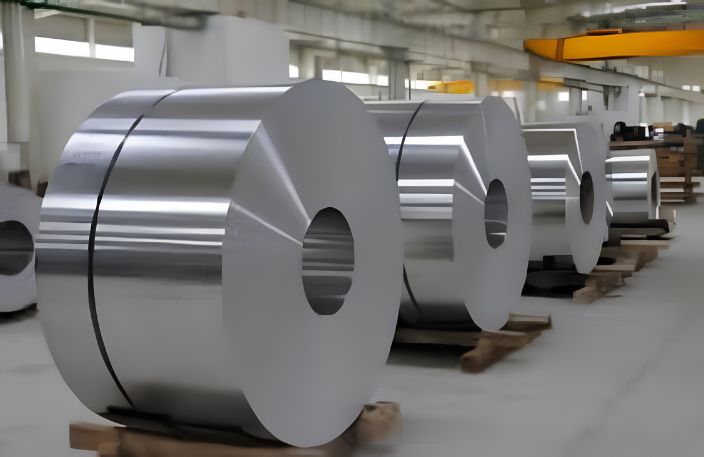
The phrase aluminum foil on stainless steel commonly appears in industrial discussions because these two materials often compete for similar applications.
However, they behave very differently under stress, heat, moisture, and chemical exposure.
For example:
- Aluminum foil transfers heat quickly
- Stainless steel foil resists deformation better
- Aluminum foil is lightweight
- Stainless steel foil lasts longer in harsh conditions
Companies choosing between these materials must consider lifecycle cost instead of initial material price alone.
For additional technical comparisons, see this guide on Stainless Steel Foil vs Aluminum Foil.
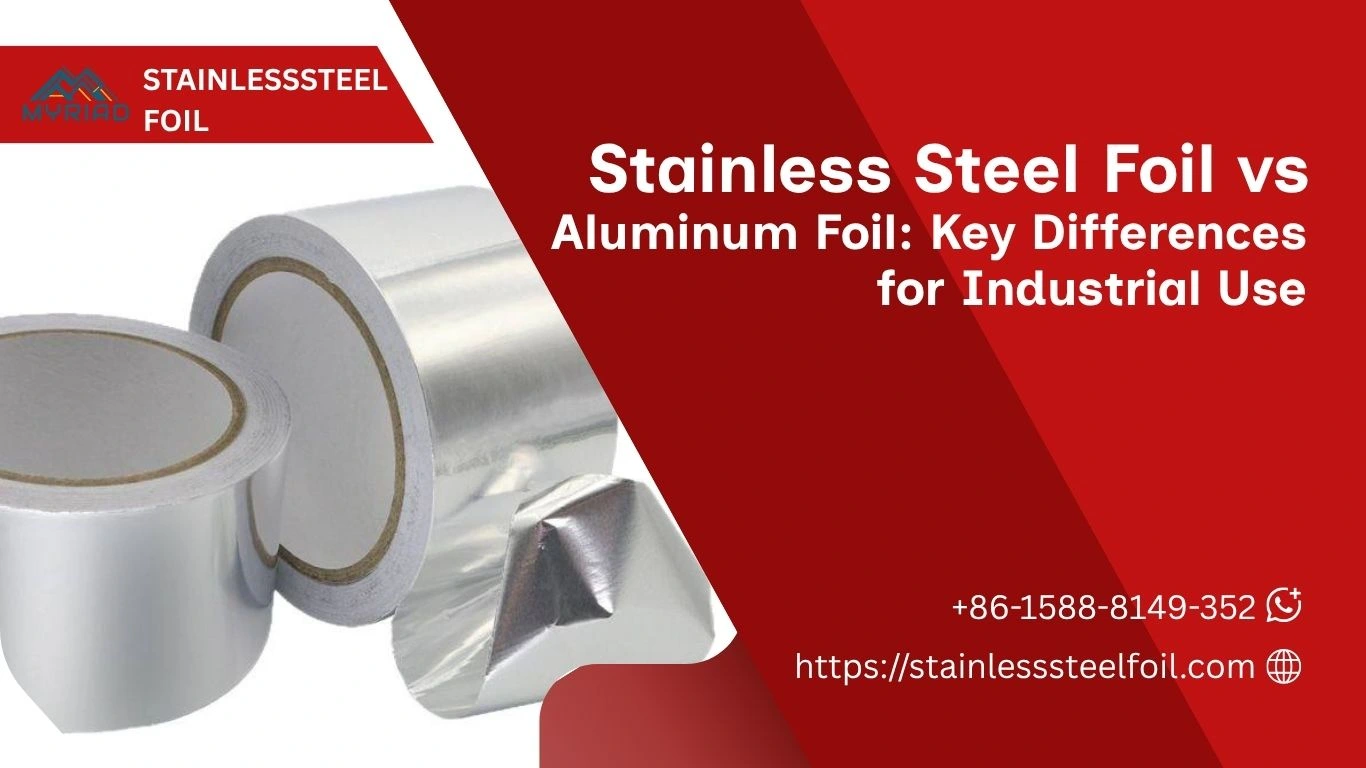
Stainless Steel Foil vs Aluminum Foil: Core Differences
Strength and Durability
One of the biggest differences between aluminum foil on stainless steel applications is structural strength.
Stainless steel foil offers:
- Higher tensile strength
- Better fatigue resistance
- Superior wear resistance
- Greater puncture protection
Aluminum foil tears easily under mechanical stress. Stainless steel foil maintains its structure even in demanding environments.
This makes stainless steel foil ideal for:
- Industrial gaskets
- Flexible connectors
- Precision components
- Aerospace shielding
For high-strength applications, many manufacturers prefer 301 Stainless Steel Foil High Strength because of its excellent hardness and spring properties.
Corrosion Resistance
Corrosion resistance is another major factor when comparing aluminum foil on stainless steel materials.
Stainless steel contains chromium, which forms a passive protective oxide layer. This layer helps prevent rust and chemical damage.
Aluminum also develops oxidation resistance, but harsh industrial chemicals can degrade it more quickly.
Stainless steel foil performs better in:
- Saltwater environments
- Acidic processing systems
- Chemical plants
- Marine applications
This advantage significantly increases service life.
Heat Resistance
Heat exposure often determines whether aluminum or stainless steel foil is the better option.
Aluminum Foil
- Melting point: about 660°C
- Loses strength at elevated temperatures
- Can warp during prolonged heating
Stainless Steel Foil
- Melting point: above 1400°C
- Maintains shape at high temperatures
- Excellent oxidation resistance
For industrial furnaces and heat-treatment applications, stainless steel foil clearly outperforms aluminum foil.
Learn more about advanced heat-resistant products in this article on Ultra Thin Stainless Steel Foil Industries.
Thermal Conductivity
Aluminum foil transfers heat much faster than stainless steel.
That makes aluminum useful for:
- Cooking applications
- Heat exchangers
- Thermal wrapping
- HVAC insulation
However, high thermal conductivity is not always beneficial. Some industrial systems require controlled heat transfer rather than rapid conductivity.
In those situations, stainless steel foil becomes the better engineering choice.
Weight Comparison
Aluminum foil weighs significantly less than stainless steel foil.
This lightweight advantage matters in:
- Aircraft interiors
- Portable packaging
- Consumer products
- Disposable containers
However, stainless steel foil compensates with better durability and longevity.
Many manufacturers now choose thinner stainless steel foil designs to reduce weight while maintaining performance. Explore modern solutions at Ultra Thin Stainless Steel Foil.
Electrical Conductivity
Aluminum foil offers higher electrical conductivity than stainless steel foil.
Therefore, aluminum remains common in:
- Capacitors
- Electrical shielding
- Cable wrapping
Stainless steel foil, however, performs better in environments where electrical conductivity must combine with strength and corrosion resistance.
Comparison Table: Stainless Steel Foil vs Aluminum Foil
| Property | Stainless Steel Foil | Aluminum Foil |
|---|---|---|
| Strength | Excellent | Moderate |
| Heat Resistance | Very High | Medium |
| Corrosion Resistance | Excellent | Good |
| Weight | Heavier | Lightweight |
| Durability | Long-lasting | Shorter lifespan |
| Thermal Conductivity | Moderate | High |
| Electrical Conductivity | Lower | Higher |
| Industrial Lifespan | Extended | Limited in harsh environments |
| Cost | Higher upfront | Lower upfront |
Stainless Steel Cooking Foil vs Traditional Aluminum Foil
Consumers often ask whether stainless steel cooking foil is better than aluminum foil in kitchens and food processing environments.
The answer depends on the application.
Benefits of Stainless Steel Foil for Cooking
Many commercial kitchens use stainless steel foil for cooking because it:
- Resists tearing
- Handles repeated heat cycles
- Does not react with acidic foods
- Maintains structural integrity
Food manufacturers increasingly prefer stainless steel surfaces because of hygiene and long-term durability.
Where Aluminum Foil Still Performs Well
Aluminum foil remains common for:
- Baking trays
- Food wrapping
- Temporary cooking liners
- Heat reflection
Its affordability and flexibility make it practical for disposable applications.
However, stainless steel foil offers better sustainability because it lasts significantly longer.
Industrial Applications of Stainless Steel Foil
Aerospace Industry
Aircraft manufacturers require lightweight yet durable materials.
Ultra-thin stainless steel foil provides:
- Heat resistance
- Structural stability
- Fatigue resistance
Many aerospace systems use advanced foil grades from suppliers like China 301 Stainless Steel Foil.
Battery Manufacturing
Modern lithium-ion batteries increasingly rely on precision foil materials.
Stainless steel foil offers:
- Excellent dimensional accuracy
- Chemical stability
- Long-term reliability
Learn more from this technical resource about Stainless Steel Foil Strip Ultra Thin.
Electronics Industry
Electronics manufacturers use stainless steel foil for:
- EMI shielding
- Precision connectors
- Flexible circuits
- Sensor systems
Its durability makes it ideal for high-performance electronic components.
Medical Industry
Medical equipment demands corrosion-resistant and hygienic materials.
Stainless steel foil is widely used in:
- Surgical instruments
- Medical sensors
- Sterilization systems
- Implantable devices
Manufacturing Process Differences
The manufacturing process also separates aluminum foil on stainless steel materials.
Stainless Steel Foil Production
Stainless steel foil production requires:
- Cold rolling
- Precision annealing
- Surface finishing
- Thickness calibration
Advanced rolling technologies create extremely thin foil with tight tolerances.
This guide on Ultra Thin Stainless Steel Foil Manufacturing Process explains the process in detail.
Aluminum Foil Production
Aluminum foil manufacturing is generally faster and cheaper.
However, aluminum is softer and more susceptible to damage during handling.
This difference impacts industrial durability.
Cost Comparison: Initial Cost vs Long-Term Value
Many buyers focus only on purchase price when comparing aluminum foil on stainless steel applications.
That approach can be misleading.
Aluminum Foil Advantages
- Lower upfront cost
- Lightweight shipping
- Easier fabrication
Stainless Steel Foil Advantages
- Longer service life
- Lower maintenance cost
- Better resistance to damage
- Reduced replacement frequency
Over time, stainless steel foil often delivers better total ownership value.
Environmental Impact and Sustainability
Sustainability has become increasingly important in industrial manufacturing.
Aluminum Recycling
Aluminum foil is recyclable, but contamination from coatings or food waste can complicate processing.
Stainless Steel Sustainability
Stainless steel has one of the highest recycling rates among industrial metals.
It also lasts much longer, reducing material waste over time.
This durability gives stainless steel foil a strong sustainability advantage in long-term industrial systems.
Can Aluminum Foil Clean Stainless Steel?
A surprisingly common question is whether aluminum foil to clean stainless steel actually works.
In some cases, yes.
People sometimes use crumpled aluminum foil with water or mild cleaners to remove stains or polish stainless steel surfaces.
However, caution is important.
Aggressive scrubbing may scratch polished stainless steel finishes. Industrial stainless steel systems usually require specialized cleaning products instead.
For food-grade and industrial environments, proper stainless steel maintenance procedures are always recommended.
Choosing the Right Material for Your Industry
Selecting between stainless steel foil and aluminum foil depends on several key questions:
Choose Stainless Steel Foil If You Need:
- High heat resistance
- Long-term durability
- Corrosion resistance
- Mechanical strength
- Precision engineering performance
Explore available industrial materials through the Stainless Steel Foil Product Collection.
Choose Aluminum Foil If You Need:
- Lightweight materials
- Lower upfront cost
- High thermal conductivity
- Disposable packaging
- Flexible wrapping solutions
Why 301 Stainless Steel Foil Is Popular
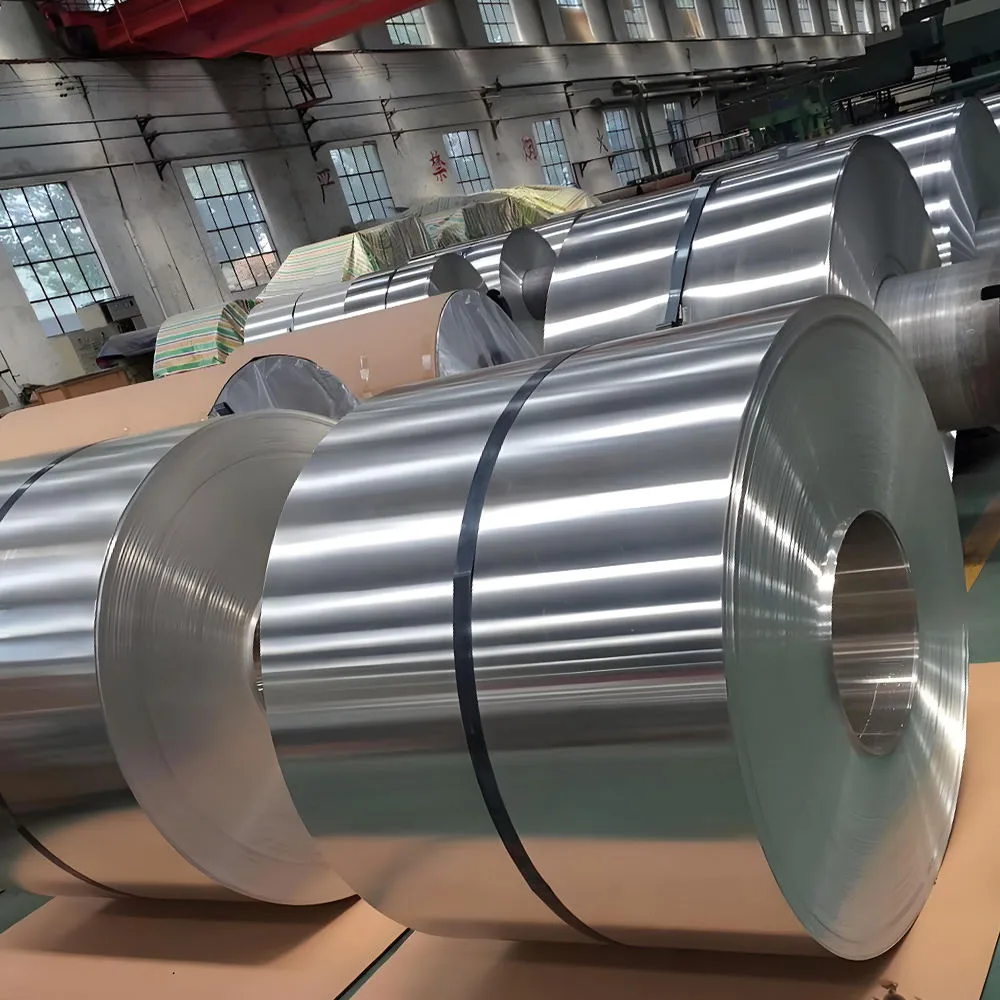
Among stainless steel grades, 301 stainless steel foil stands out because of its excellent balance of strength and flexibility.
It performs especially well in:
- Springs
- Electronic shielding
- Flexible structural components
- Industrial seals
Read more about material characteristics in What Is 301 Stainless Steel Foil.
Summary
The debate between stainless steel foil and aluminum foil ultimately depends on application requirements.
Aluminum foil remains useful for lightweight and low-cost applications. However, stainless steel foil delivers superior durability, heat resistance, corrosion protection, and long-term industrial performance.
For industries that demand reliability under extreme conditions, stainless steel foil is often the better investment.
When evaluating aluminum foil on stainless steel systems, buyers should consider total lifecycle value rather than initial material price alone.
To explore industrial-grade foil products and technical solutions, visit Stainless Steel Foil Products or contact the team through Contact Us.
FAQs
Q: Is stainless steel foil stronger than aluminum foil?
A: Yes. In most aluminum foil on stainless steel comparisons, stainless steel foil offers significantly higher tensile strength and puncture resistance.
Q: Can stainless steel foil replace aluminum foil in industrial applications?
A: In many cases, yes. Industries that require heat resistance, corrosion protection, and durability often replace aluminum foil on stainless steel systems with stainless steel foil solutions.
Q: Is stainless steel cooking foil safe for food applications?
A: Yes. Stainless steel cooking foil is widely used in commercial kitchens because it resists corrosion and handles repeated heating cycles effectively.
Q: Can aluminum foil damage stainless steel?
A: Improper use of aluminum foil on stainless steel surfaces may cause scratching or surface discoloration under certain conditions, especially with abrasive cleaning methods.
Q: What industries use stainless steel foil most frequently?
A: Industries using aluminum foil on stainless steel alternatives include aerospace, electronics, medical manufacturing, automotive systems, and battery production.
Q: Can aluminum foil clean stainless steel appliances?
A: Some homeowners use aluminum foil to clean stainless steel lightly, but industrial stainless steel surfaces require proper cleaning products for safe maintenance.