Choosing the right material for industrial applications is never just about price—it’s about performance, durability, and long-term reliability. If you’ve been comparing stainless steel grades, you’ve likely encountered the debate between 316 stainless steel foil and 304 Stainless Foil guide.
Both materials are widely used across industries, from food processing to aerospace. However, knowing when to choose 316 over 304 stainless foil can make a significant difference in product lifespan, safety, and cost efficiency.
In this comprehensive guide, we’ll break down the differences, applications, and key decision factors so you can confidently select the right option for your needs.
What Is 304 Stainless Foil?
304 stainless foil is one of the most commonly used stainless steel materials in the world. It contains chromium and nickel, which provide excellent corrosion resistance and formability.
If you’re new to the material, you can explore what stainless steel foil is for a deeper technical understanding.
This grade is widely used because it offers a balance between performance and cost. You’ll find 304 stainless foil in industries such as:
- Food processing
- Packaging
- Heat treatment
- General manufacturing
For a detailed breakdown, visit what is 304 stainless steel foil.
What Is 316 Stainless Steel Foil?
316 stainless steel foil is a premium-grade material that includes molybdenum, which significantly improves corrosion resistance—especially against chlorides and harsh chemicals.
According to this explanation of stainless steel, adding molybdenum enhances resistance to pitting and crevice corrosion, making 316 ideal for extreme environments.
This makes 316 stainless foil suitable for:
- Marine environments
- Chemical processing
- Pharmaceutical industries
- High-corrosion applications
Key Differences Between 316 and 304 Stainless Foil
Understanding the differences helps you determine when 304 stainless foil is sufficient and when upgrading to 316 is necessary.
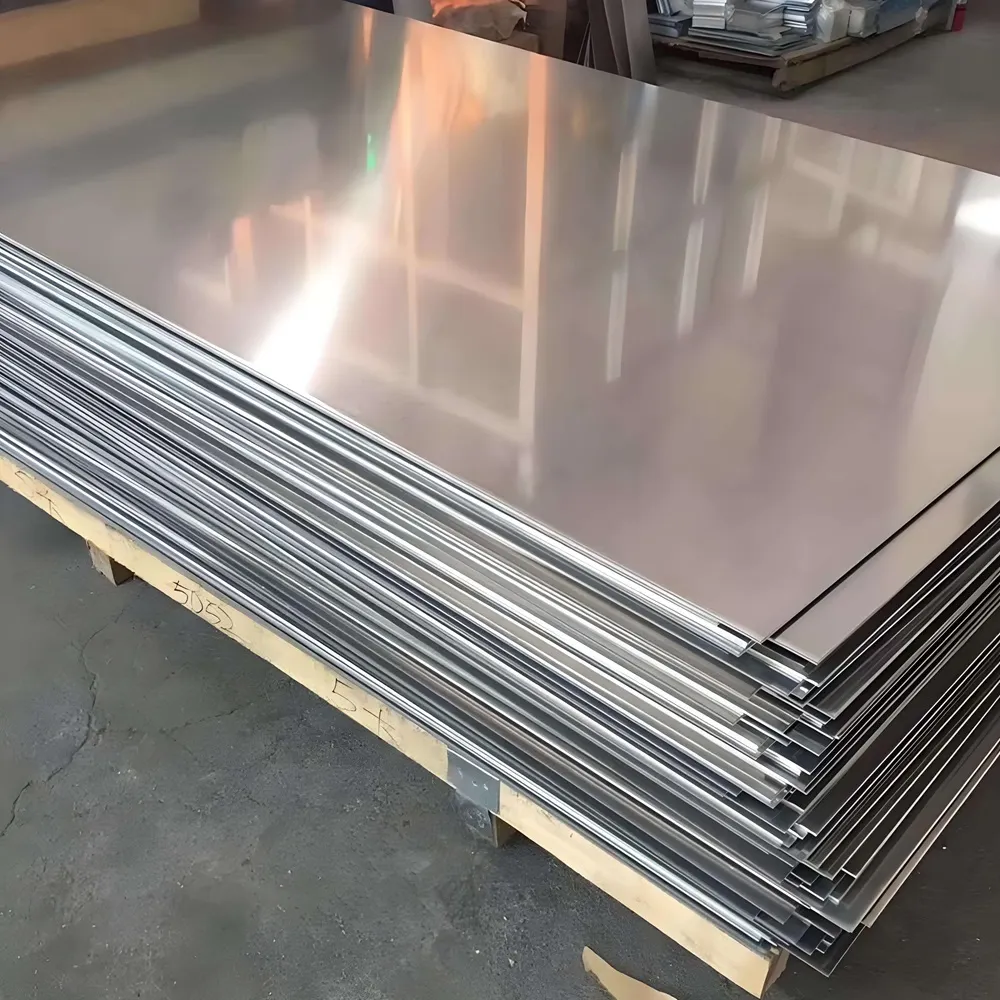
Corrosion Resistance
This is the most critical difference.
304 stainless foil performs well in most environments. However, it struggles in highly corrosive conditions, especially where chlorides are present.
316 stainless foil offers:
- Superior resistance to saltwater
- Better protection against chemical exposure
- Longer lifespan in harsh conditions
If your application involves aggressive environments, 316 is the better choice.
Chemical Composition
304 contains chromium and nickel. 316 contains chromium, nickel, and molybdenum.
This small addition creates a major difference in performance.
Cost Comparison
Cost often drives decision-making.
304 stainless foil is more affordable, making it ideal for:
- Large-scale production
- Budget-sensitive projects
316 stainless foil costs more due to its enhanced properties.
However, the higher upfront cost can reduce long-term maintenance and replacement expenses.
Heat Resistance and Stability
Both materials perform well under high temperatures.
However, 304 stainless foil is commonly used in heat treatment applications due to its balance of strength and affordability.
Learn more about this in stainless steel foil for heat treatment.
Food and Packaging Safety
304 stainless foil is widely approved for food-grade applications.
You can explore 304 stainless steel foil for food and 304 stainless steel foil packaging to see how it is used safely in packaging.
316 is also food-safe but is typically used where higher corrosion resistance is required.
Comparison Table: 304 vs 316 Stainless Foil
| Feature | 304 Stainless Foil | 316 Stainless Foil |
|---|---|---|
| Corrosion Resistance | Good | Excellent |
| Chloride Resistance | Moderate | High |
| Cost | Lower | Higher |
| Heat Resistance | High | High |
| Food Safety | Excellent | Excellent |
| Durability | Good | Superior |
When Should You Choose 304 Stainless Foil?
Despite the advantages of 316, 304 stainless foil remains the most widely used option—and for good reason.
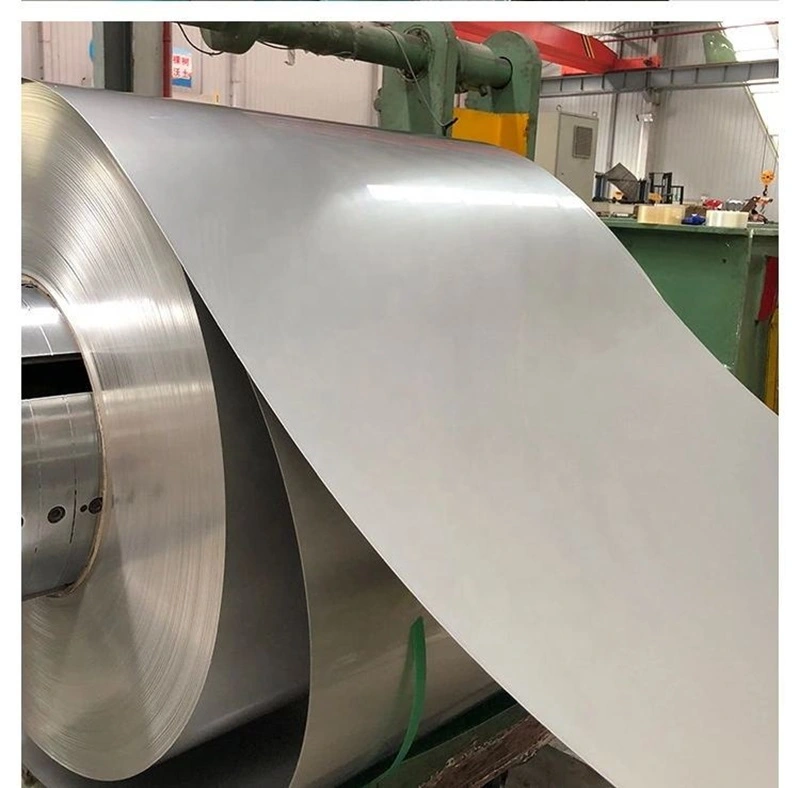
You should choose it when:
- The environment is not highly corrosive
- Cost efficiency is important
- You need reliable performance for general use
- The application involves food or packaging
For product options, explore stainless steel foil products.
When to Choose 316 Over 304 Stainless Foil
There are specific scenarios where 316 clearly outperforms 304 stainless foil.
Marine and Coastal Environments
Saltwater exposure quickly degrades standard stainless steel.
316 resists:
- Salt corrosion
- Pitting
- Surface damage
Chemical Processing Industries
If your process involves acids or harsh chemicals, 304 Stainless Foil guide may not provide sufficient protection.
316 offers better resistance, ensuring longer equipment life.
Medical and Pharmaceutical Use
Cleanliness and corrosion resistance are critical.
316 stainless foil is preferred because it:
- Maintains integrity
- Resists contamination
Long-Term Durability Requirements
If replacing materials frequently is costly, investing in 316 makes sense.
It reduces:
- Maintenance costs
- Downtime
- Product defects
Applications of 304 Stainless Foil in Industry
Even with the availability of 316, 304 stainless foil dominates many industries.
Heat Treatment and Tool Wrapping
It is widely used in heat treatment because it protects parts from oxidation.
You can learn more about thickness selection in stainless steel foil tool wrap thickness.
Precision Manufacturing
For tight tolerances and consistency, manufacturers rely on precision stainless steel foil.
Packaging and Food Industry
Its corrosion resistance and safety make it ideal for packaging solutions.
Performance vs Cost: Making the Right Decision
Choosing between 316 and 304 stainless foil often comes down to balancing performance with budget.
If your environment is moderate, 304 offers excellent value.
However, if failure is not an option, upgrading to 316 is a wise investment.
Sustainability and Environmental Impact
Both materials are recyclable and environmentally friendly.
However, 316 may have a slight advantage due to its longer lifespan, reducing material waste over time.
Expert Tip: Don’t Overpay for Unnecessary Performance
Many businesses default to 316 without evaluating actual requirements.
In reality, 304 Stainless Foil guide meets the needs of most applications.
Choosing the right grade—not the most expensive one—ensures optimal cost efficiency.
Where to Buy High-Quality Stainless Steel Foil
Finding reliable suppliers is essential.
You can explore high-quality materials at:
If you need expert guidance, visit the contact page.
Summary
Choosing between 316 and 304 stainless foil depends on your application’s environment, budget, and performance requirements.
304 stainless foil remains the best choice for most industries due to its affordability, versatility, and reliable performance. It handles heat treatment, packaging, and general manufacturing with ease.
However, when corrosion resistance becomes critical, especially in marine or chemical environments, 316 is the superior option. Understanding your specific needs ensures you make the right investment—without overspending or compromising performance. Get for more informaion visit stainless steel foil and contact us.
FAQs
Is 304 stainless foil good for outdoor use?
Yes, 304 stainless foil performs well outdoors but may corrode in salty or coastal environments.
Why is 316 more expensive than 304 stainless foil?
316 includes molybdenum, which increases corrosion resistance and raises production costs compared to 304 Stainless Foil guide.
Can 304 stainless foil be used for heat treatment?
Yes, 304 stainless foil is widely used in heat treatment due to its heat resistance and affordability.
Is 304 stainless foil food-safe?
Absolutely. 304 stainless foil is commonly used in food processing and packaging industries.
When should I upgrade from 304 stainless foil to 316?
Upgrade when your application involves harsh chemicals, saltwater, or high corrosion risks where304 Stainless Foil guide may fail.
Does 316 last longer than 304 stainless foil?
Yes, 316 generally lasts longer in corrosive environments, while 304 stainless foil performs well in standard conditions.