Heat treatment can transform an ordinary tool into a high-performance asset. However, the same process can also ruin precision surfaces if oxidation or decarburization occurs. That is why stainless steel foil_wrap has become essential in modern tool and die heat treatment.
In this in-depth guide, we explore how stainless steel foil wrap protects critical components, improves heat treatment results, and reduces costly rework. Whether you operate a commercial heat-treating facility or manage in-house furnace operations, this article will help you understand why foil wrapping remains a gold standard in controlled atmosphere processing.
What Is Stainless Steel Foil Wrap?
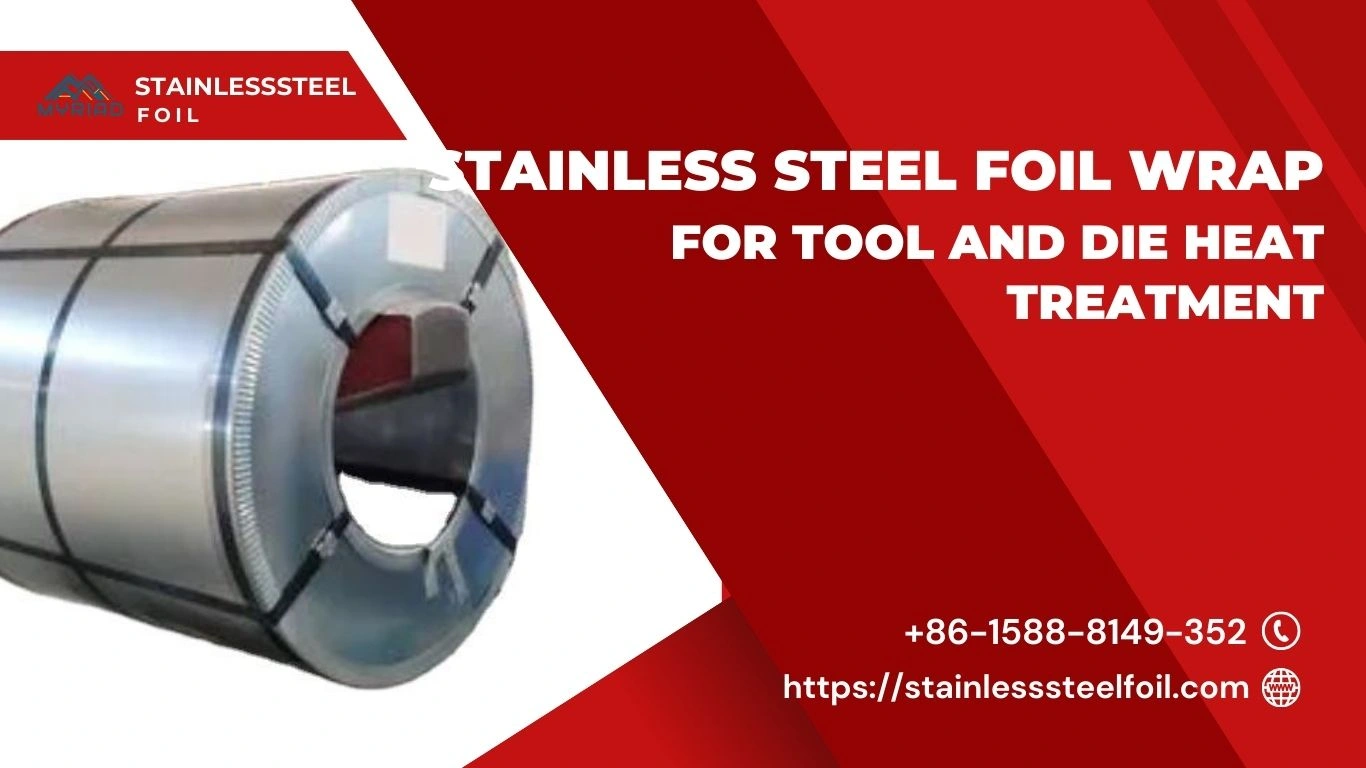
Stainless steel foil wrap is a thin, high-temperature-resistant stainless steel sheet used to enclose tools, dies, and precision parts during heat treatment. When sealed properly, the foil creates a temporary oxygen-free environment around the component inside the furnace.
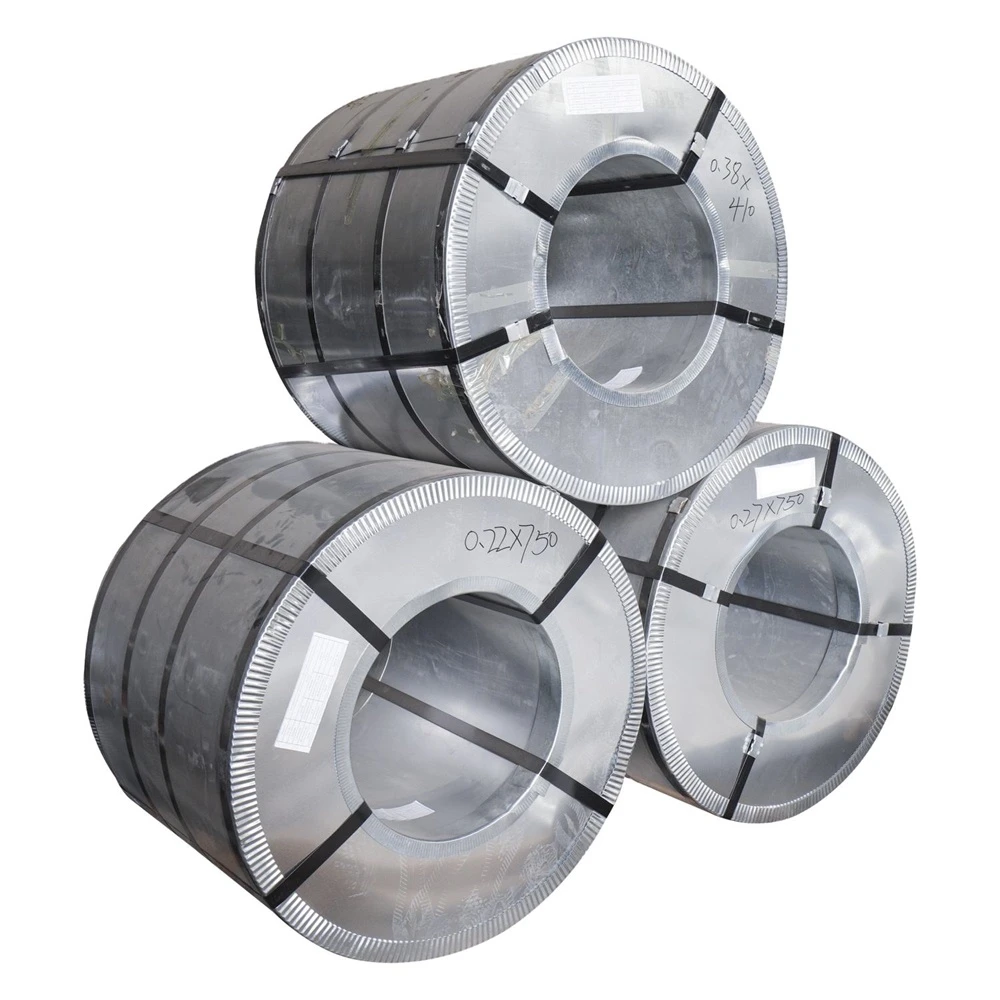
According to the material science overview on stainless steel – Wikipedia, stainless steel contains chromium, which forms a passive oxide layer that resists corrosion. This inherent resistance makes stainless foil ideal for extreme furnace environments.
Industrial heat treating often exceeds 1000°C (1832°F). At these temperatures, unprotected carbon steel tools can oxidize rapidly. Surface scale forms. Decarburization weakens edges. Dimensional accuracy suffers.
A properly sealed stainless steel foil_wrap prevents:
- Oxygen exposure
- Surface scaling
- Carbon loss
- Surface contamination
As a result, toolmakers achieve cleaner finishes and tighter tolerances.
Why Tool and Die Heat Treatment Needs Protection
Tool steels such as D2, H13, M2, and A2 undergo hardening cycles that include:
- Preheating
- Austenitizing
- Quenching
- Tempering
During the austenitizing stage, temperatures can reach 980–1200°C depending on alloy composition. At that level, even short exposure to oxygen causes oxidation.
Surface oxidation does more than discolor the part. It can reduce hardness near the surface by altering carbon content. For precision dies, even a few microns of decarburization may require grinding or polishing after heat treatment.
This post-treatment finishing adds labor costs and may compromise dimensional accuracy.
Therefore, manufacturers increasingly rely on stainless steel foil wrap instead of expensive vacuum furnaces when budget constraints exist.
For deeper insight into temperature limits, see this guide on the heat tolerance of 316 stainless steel.
How Stainless Steel Foil Wrap Works
The concept is simple but highly effective.
When a tool is tightly enclosed inside stainless steel foil wrap and sealed by folding edges or crimping, the small amount of oxygen trapped inside reacts with the hot metal during heating. That oxygen gets consumed quickly.
Once depleted, the sealed environment becomes nearly oxygen-free. This creates a mini protective atmosphere.
The result?
- No scale formation.
- Minimal decarburization.
- Cleaner surfaces.
Unlike vacuum furnaces, foil wrapping does not require costly equipment upgrades. It works in conventional air furnaces.
Stainless Steel Foil Grades Used for Heat Treatment
Most heat-treat foil applications use:
- Type 309 stainless steel
- Type 310 stainless steel
- Type 316 or 316L stainless steel
Each grade offers high chromium and nickel content for superior oxidation resistance.
For example, 316L stainless steel contains molybdenum, which improves resistance to pitting and scaling at high temperatures. If you want to understand advanced foil manufacturing techniques, read about how manufacturers produce ultrathin 316L stainless steel foil for heat treating.
Thickness typically ranges from 0.025 mm to 0.1 mm, depending on application and part size.
Benefits of Stainless Steel Foil Wrap in Tool and Die Processing
Eliminates Surface Scaling
Surface scale forms when iron reacts with oxygen at high temperatures. Foil wrapping prevents oxygen contact. This saves time on grinding and polishing.
Reduces Decarburization
Carbon diffusion weakens cutting edges. Stainless steel foil wrap significantly limits carbon loss.
Improves Dimensional Accuracy
When scale and carbon loss are controlled, final dimensions remain stable. That reduces finishing operations.
Cost-Effective Alternative to Vacuum Furnaces
Vacuum heat treatment systems can cost hundreds of thousands of dollars. Foil wrap offers a lower-cost protective method in standard furnaces.
Cleaner Post-Treatment Appearance
Parts emerge bright and metallic instead of dark and scaled.
Comparison: Foil Wrap vs Vacuum Heat Treatment
| Feature | Stainless Steel Foil Wrap | Vacuum Furnace |
|---|---|---|
| Equipment Cost | Low | Very High |
| Surface Protection | Excellent | Excellent |
| Maintenance | Minimal | Complex |
| Operating Cost | Low | High |
| Scalability | Flexible | Fixed Capacity |
For small to medium operations, foil wrapping provides a practical balance between cost and performance.
Proper Technique for Using Stainless Steel-Foil_Wrap
Incorrect wrapping can lead to oxygen leaks. That defeats the purpose.
Follow these best practices:
First, cut the foil large enough to fully enclose the tool. Leave extra material for folding.
Second, place the part in the center and fold tightly around it.
Third, double-fold the seams. Hammer lightly if necessary to ensure tight closure.
Fourth, avoid punctures. Even small holes allow oxygen entry.
Finally, place the wrapped part inside the furnace carefully to avoid tearing.
For a step-by-step process overview, refer to this comprehensive stainless steel foil heat treatment guide.
Temperature Performance of Stainless Steel Foil Wrap
Heat resistance depends on alloy selection.
Typical maximum service temperatures:
- 309 Stainless: ~1093°C
- 310 Stainless: ~1150°C
- 316 Stainless: ~925–1000°C
Choosing the correct alloy ensures foil integrity throughout the cycle.
More details about temperature resistance are available on the official site: stainless steel foil
Tool and Die Applications
Toolmakers use stainless steel foil_wrap for:
- Punches and dies
- Mold inserts
- Cutting tools
- Extrusion dies
- Stamping tools
- Injection mold components
In industries such as automotive, aerospace, and medical device manufacturing, maintaining surface integrity directly impacts product quality.
To explore broader industrial uses, see this article on the use of stainless steel foils.
Environmental and Efficiency Advantages
Foil wrapping reduces:
- Surface rework
- Grinding dust
- Energy used in reprocessing
Moreover, it minimizes chemical cleaning agents often required after scaling.
This contributes to safer shop environments and improved sustainability.
Selecting the Right Supplier
Quality matters.
Industrial buyers should consider:
- Alloy consistency
- Thickness tolerance
- Surface finish
- Packaging standards
Reliable manufacturers maintain strict quality control processes. You can explore available options directly on the products page. If you need technical support or bulk orders, visit the contact page. For regular updates and technical insights, check the official blog section.
Safety Considerations
Although stainless steel foil wrap is safe when used properly, always:
- Wear gloves to avoid sharp edges
- Avoid inhaling metal fumes
- Ensure proper furnace ventilation
Never reuse heavily oxidized foil. Compromised foil may rupture during subsequent cycles.
Troubleshooting Common Problems
Oxidation Still Occurring?
Check for seam leaks. Double fold and ensure no tears exist.
Foil Melting?
Verify alloy grade and furnace temperature. You may be exceeding recommended limits.
Parts Sticking to Foil?
Use small support tabs or anti-stick paper inside the wrap.
Summary
Tool and die heat treatment demands precision. Even minor oxidation can compromise performance and increase finishing costs. Stainless steel foil wrap offers a practical, cost-effective solution for protecting tools during high-temperature cycles.
It prevents scaling, limits decarburization, and preserves dimensional accuracy. Compared with vacuum systems, it provides flexibility without massive capital investment.
Manufacturers seeking consistent results should invest in high-quality stainless steel foil-wrap from reputable suppliers. With correct technique and alloy selection, foil wrapping can dramatically improve heat treatment outcomes. Get For more information visit stainless steel foil and contact us.
FAQS
Why is stainless steel foil wrap preferred over regular steel foil?
Regular steel oxidizes rapidly at high temperatures. Stainless steel foil_wrap resists scaling and maintains structural integrity during heat treatment.
Can stainless steel foil wrap replace a vacuum furnace?
For many applications, yes. Stainless steel foil wrap provides effective oxidation protection in standard furnaces, though vacuum systems remain superior for certain aerospace requirements.
What thickness of stainless steel foil wrap should I use?
Thickness depends on furnace temperature and part size. Generally, stainless steel foil wraps between 0.05 mm and 0.1 mm works for most tool steels.
Is stainless steel foil wraps reusable?
In most industrial settings, stainless steel foil wraps is single-use. Reusing foil increases risk of oxygen leaks.
Does stainless steel foil wrap affect hardness results?
No. When used correctly, stainless steel foil wrap only protects the surface and does not interfere with metallurgical transformation.