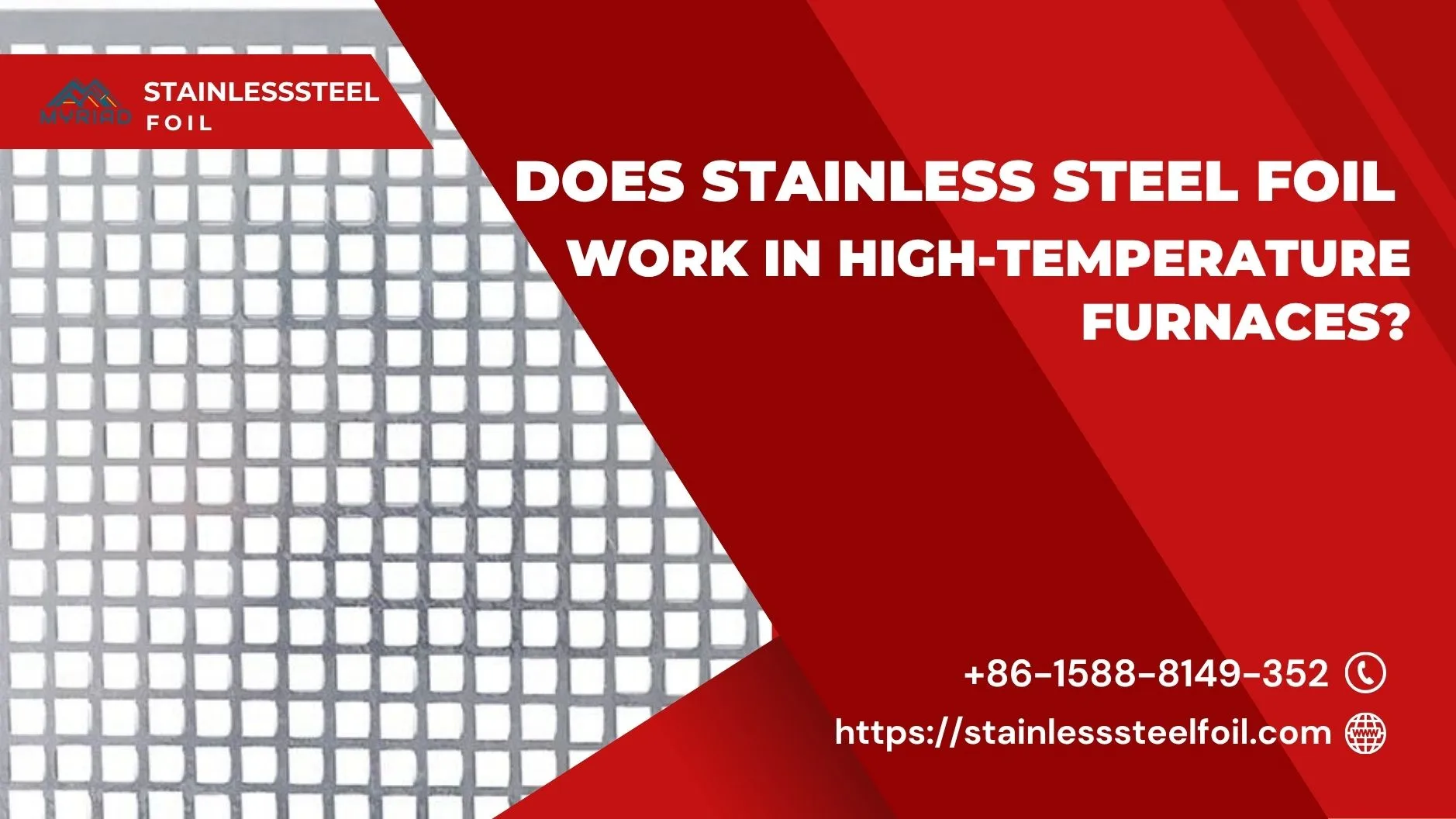
Industries that rely on heat treatment, metallurgy, aerospace processing, and precision manufacturing often ask an important question: Does Stainless Steel Foil Work in high-temperature furnaces? The answer is yes—but the performance depends heavily on the foil grade, thickness, and furnace environment.
High-temperature furnaces can reach temperatures from 800°C to over 1200°C, depending on the application. At these extreme levels, many materials lose strength, oxidize rapidly, or degrade completely. However, stainless steel foil is engineered to withstand demanding thermal conditions while protecting components from oxidation and contamination.
In this detailed guide, we will explore how Stainless Steel Foil Work in furnace environments, which stainless steel grades perform best at elevated temperatures, and how industries use stainless foil in heat treatment processes. We will also examine thickness selection, durability factors, and practical applications to help engineers and manufacturers choose the right material.
For a foundational explanation of the alloy itself, you can review the technical overview of stainless steel, which explains how chromium creates a protective oxide layer that improves corrosion and heat resistance.
Stainless Steel Foil
Before exploring furnace performance, it is important to understand what stainless steel foil actually is.
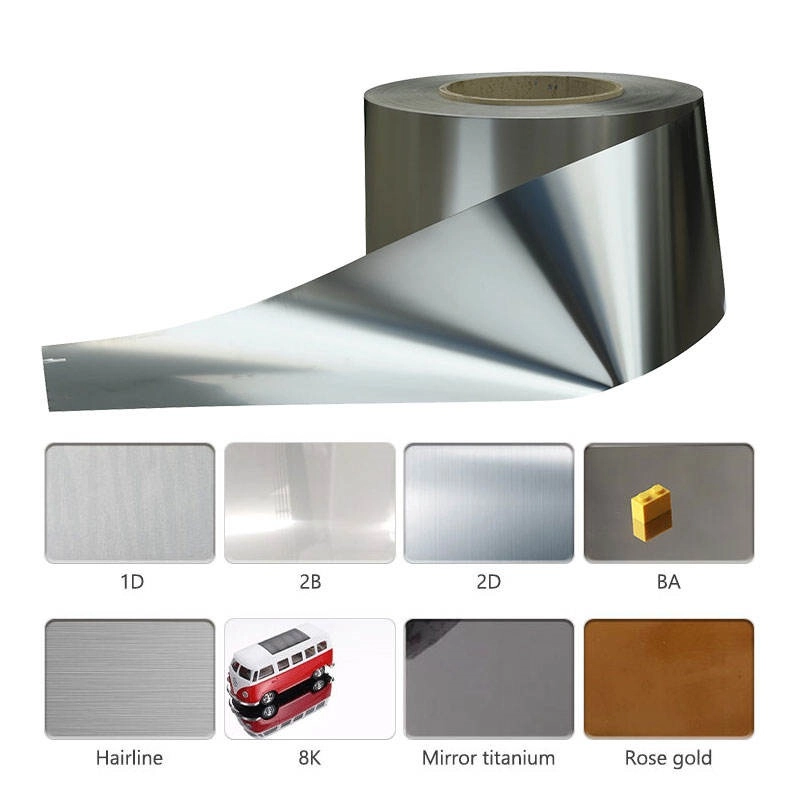
Stainless steel foil refers to ultra-thin stainless steel sheets, typically below 0.1 mm (100 microns) in thickness. Despite its thin profile, stainless steel foil retains many of the mechanical and thermal properties of standard stainless steel sheets.
Manufacturers produce these foils through advanced cold-rolling processes that ensure consistent thickness and excellent surface quality. You can learn more about the manufacturing and uses in this detailed guide about what stainless steel foil is.
In industrial environments, stainless steel foil often functions as:
- Heat treatment wrapping material
- Oxidation barrier
- Protective furnace lining component
- Precision thermal shielding
Because of its durability and flexibility, engineers frequently ask whether Stainless Steel Foil Work effectively under extreme furnace temperatures.
Why High-Temperature Furnaces Require Specialized Materials
Industrial furnaces expose materials to several extreme conditions simultaneously. These include intense heat, oxygen exposure, thermal cycling, and sometimes corrosive gases.
In such environments, ordinary metals can experience rapid degradation.
For example, many carbon steels begin to lose strength around 400–500°C, while aluminum melts at approximately 660°C. Stainless steel alloys, however, maintain their structure and corrosion resistance at much higher temperatures.
According to metallurgical studies, stainless steel grades containing chromium and nickel form a stable oxide film that protects the material from oxidation even at elevated temperatures.
This protective characteristic is one reason industries rely on stainless steel foil in heat treatment operations and high-temperature furnace processing.
Does Stainless Steel Foil Work in High-Temperature Furnaces?
The short answer is yes, Stainless Steel Foil works effectively in many high-temperature furnace environments. However, success depends on selecting the correct alloy and thickness.
When stainless steel foil is used properly, it can perform several important roles inside furnaces.
First, the foil acts as a protective barrier that prevents oxygen from reaching the metal surface during heat treatment. This process helps avoid oxidation, scaling, and decarburization.
Second, stainless steel foil helps maintain a clean heat treatment environment. When components are wrapped in foil, they remain protected from furnace contamination.
Third, the foil improves temperature uniformity around the part, which can lead to better heat treatment results.
Because of these benefits, stainless steel foil is widely used in aerospace manufacturing, medical device production, and high-precision metallurgy.
You can see real industrial examples in this technical resource on stainless steel foil for heat treatment.
How Stainless Steel Foil Work During Heat Treatment
Heat treatment is one of the most common furnace applications for stainless steel foil.
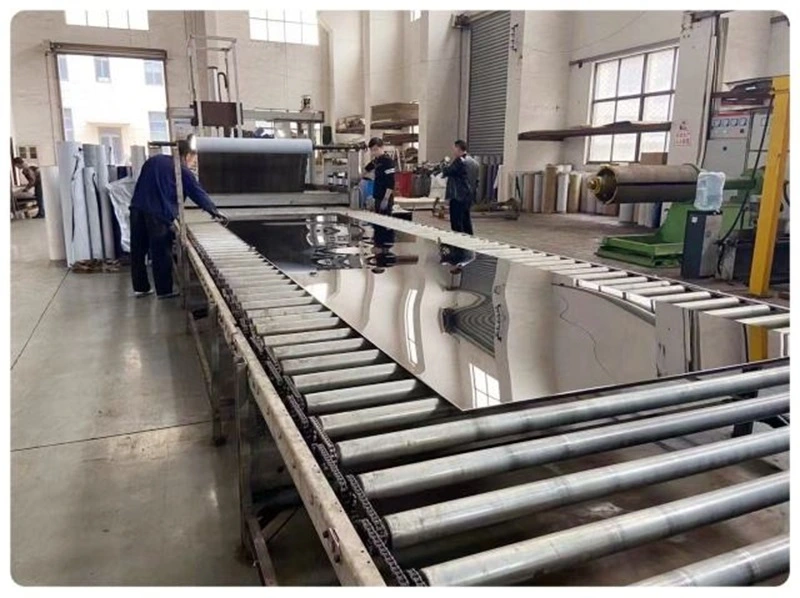
During heat treatment, metal components are heated to specific temperatures and then cooled under controlled conditions. This process changes the microstructure of the material and improves properties such as hardness, strength, and wear resistance.
When engineers ask whether Stainless Steel Foil Work in heat treatment furnaces, they are usually referring to its ability to protect metal surfaces.
The foil forms a sealed envelope around the component. Inside this enclosure, oxygen levels remain extremely low. This prevents surface oxidation and preserves the finish of the metal part.
As a result, manufacturers often avoid costly post-treatment cleaning processes.
Another advantage is that stainless steel foil helps maintain consistent temperature exposure, which improves process control and final product quality.
Best Stainless Steel Grades for Furnace Applications
Not all stainless steels perform equally at high temperatures. Certain grades provide better heat resistance and oxidation protection.
Two commonly used grades for high-temperature foil applications include 301 and 304 stainless steel.
For example, 301 stainless steel foil offers excellent mechanical strength and is frequently used in spring and structural applications. More technical details are available in this guide to 301 stainless steel foil.
Another widely used material is 304 stainless steel foil, which provides excellent corrosion resistance and strong performance at elevated temperatures. You can explore the material properties in this article about 304 stainless steel foil.
In furnace environments up to approximately 870°C, grade 304 performs exceptionally well.
Higher temperatures may require specialized alloys or thicker foil configurations.
Temperature Limits of Stainless Steel Foil
The ability of stainless steel foil to withstand high temperatures depends on both the alloy composition and exposure conditions.
The following table summarizes typical temperature resistance for common stainless steel grades used in foil applications.
| Stainless Steel Grade | Maximum Intermittent Temperature | Typical Applications |
|---|---|---|
| 301 | ~840°C | Springs, precision components |
| 304 | ~870°C | Heat treatment wrapping |
| 316 | ~925°C | Corrosive environments |
| 310 | ~1150°C | Extreme furnace environments |
These numbers represent approximate values and may vary depending on oxygen levels, furnace atmosphere, and thermal cycling frequency.
Despite these variations, many engineers confirm that Stainless Steel Foil Work reliably in most industrial furnace operations when properly selected.
How Foil Thickness Affects Furnace Performance
Thickness plays a critical role in determining whether Stainless Steel Foil Work efficiently in high-temperature furnaces.
Ultra-thin foil heats rapidly and conforms easily around complex components. However, extremely thin materials may tear or degrade during prolonged exposure to extreme temperatures.
On the other hand, thicker foil offers greater durability but may reduce flexibility.
Industrial heat treatment specialists often recommend foil thickness between 0.02 mm and 0.08 mm for most furnace applications.
If you want a detailed explanation of thickness selection, see this technical guide on stainless steel heat treat foil thickness.
Choosing the correct thickness ensures that Stainless Steel Foil Work effectively while maintaining durability and thermal performance.
Industrial Applications of Stainless Steel Foil in Furnaces
Stainless steel foil has become essential in many high-temperature industries.
Aerospace manufacturers rely on foil wrapping to protect precision turbine components during heat treatment.
Medical device companies use stainless steel foil to maintain clean processing environments when producing surgical instruments.
Electronics manufacturers also use precision stainless steel foil to shield components from contamination during thermal processing. You can explore these applications in the guide to precision stainless steel foil.
In each of these industries, engineers rely on the fact that Stainless Steel Foil Work effectively under controlled furnace conditions.
Advantages of Using Stainless Steel Foil in High-Temperature Furnaces
Several important benefits explain why stainless steel foil is widely used in furnace operations.
One of the most significant advantages is oxidation protection. The foil prevents oxygen exposure, which helps maintain the surface integrity of metal parts.
Another advantage is cost savings. When parts remain clean after heat treatment, manufacturers can eliminate additional polishing or pickling processes.
Stainless steel foil also provides excellent thermal stability. It resists deformation even when exposed to extreme temperatures.
Finally, stainless steel foil offers exceptional flexibility, making it easy to wrap complex components before placing them in a furnace.
Because of these characteristics, engineers consistently confirm that Stainless Steel Foil Work well in demanding heat treatment environments.
When Stainless Steel Foil May Not Be Ideal
Despite its advantages, stainless steel foil is not suitable for every furnace application.
Extremely high temperatures above 1100°C may exceed the limits of standard stainless steel alloys. In such cases, specialized materials such as nickel-based alloys may perform better.
Another limitation occurs in environments with aggressive chemical atmospheres that can attack stainless steel surfaces.
Understanding these conditions helps engineers determine when Stainless Steel Foil Work effectively and when alternative materials may be required.
Choosing the Right Stainless Steel Foil Supplier
Selecting the correct foil material is only part of the process. Working with a reliable supplier ensures consistent quality and performance.
Manufacturers should consider factors such as foil thickness tolerance, surface finish, and heat resistance.
Companies looking for specialized stainless steel foil solutions can explore product options through the stainless steel foil product catalog or learn more about manufacturing expertise on the stainless steel foil website.
For technical consultation or custom specifications, the engineering team can also be contacted through the contact page.
Additional technical insights and industry updates are also available in the stainless steel foil blog.
Summary
High-temperature furnace environments demand materials that can withstand extreme heat, oxidation, and thermal cycling. Stainless steel foil has proven to be an effective solution for many of these challenges.
When the correct alloy and thickness are selected, Stainless Steel Foil Work exceptionally well in heat treatment furnaces by protecting components, preventing oxidation, and improving process efficiency.
Industries ranging from aerospace to electronics rely on stainless steel foil to maintain quality and precision during thermal processing.
As furnace technologies continue to evolve, stainless steel foil will remain an essential material for high-temperature protection and industrial heat treatment applications.
FAQs
Does Stainless Steel Foil Work in heat treatment furnaces?
Yes, Stainless Steel Foil Work effectively in heat treatment furnaces by creating a protective barrier that prevents oxidation and contamination during high-temperature processing.
What temperature can stainless steel foil withstand?
Most stainless steel foils, especially 304 grade, can withstand temperatures up to 870°C. Within this range, Stainless Steel Foil Work reliably in many industrial furnace applications.
Why do manufacturers wrap parts in stainless steel foil?
Manufacturers wrap components to prevent scaling and oxidation during heat treatment. This method ensures Stainless Steel Foil Work as a protective barrier inside high-temperature furnaces.
Does foil thickness affect furnace performance?
Yes. The thickness of the foil influences durability and heat resistance. Choosing the right thickness ensures Stainless Steel Foil Work efficiently during furnace exposure.
Which stainless steel grade is best for furnace foil?
Grades such as 301 and 304 stainless steel are widely used. These alloys ensure Stainless Steel Foil Work reliably in high-temperature furnace environments.