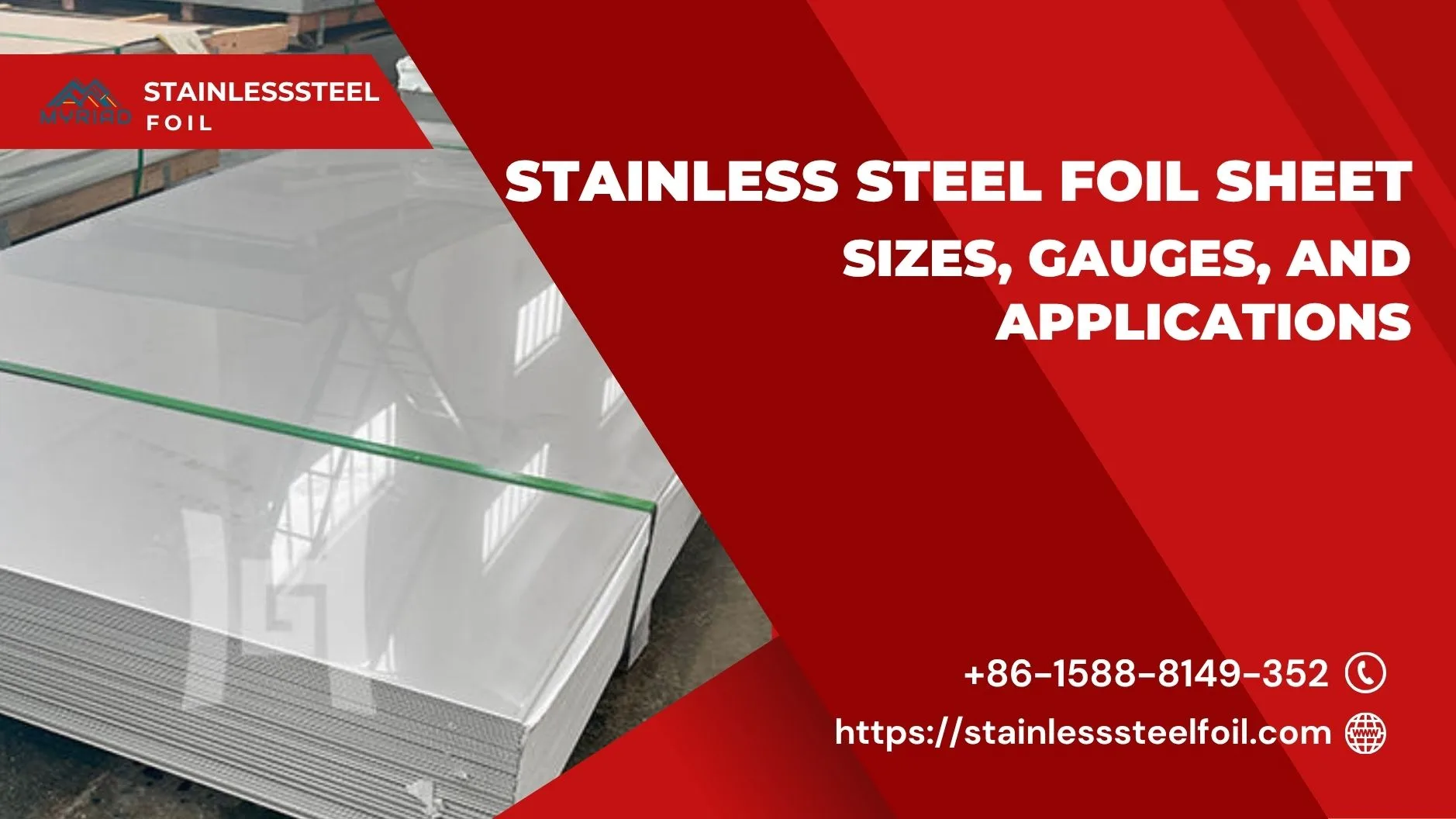
The stainless steel foil sheet has become an essential material across modern industries, from electronics to aerospace. Its combination of strength, corrosion resistance, and flexibility makes it uniquely suited for applications where precision and durability matter most.
Unlike standard steel sheets, foil sheets are incredibly thin—often measured in microns—yet they retain the core advantages of stainless steel. This makes them ideal for specialized uses such as shielding, insulation, medical devices, and precision engineering.
If you’re exploring materials for high-performance environments, understanding the sizes, gauges, and applications of stainless steel foil sheets is crucial. In this guide, we’ll break down everything you need to know in a clear, practical way.
For a deeper overview of the material itself, you can explore this detailed explanation of stainless steel.
What is a stainless steel foil sheet?
A stainless steel foil sheet is a thin, flat-rolled metal product typically less than 0.2 mm thick. Manufacturers produce it through cold rolling processes that ensure uniform thickness, smooth surface finish, and precise tolerances.
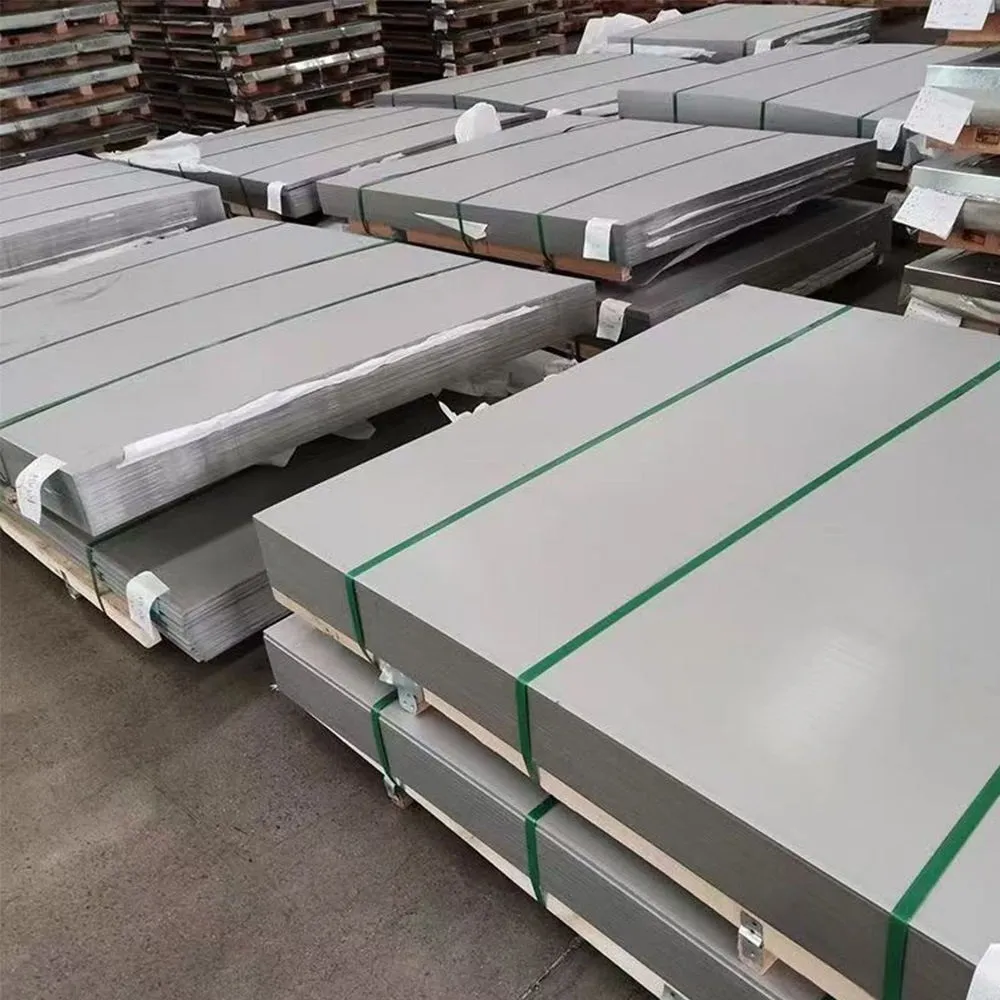
Compared to thicker sheets or plates, foil sheets offer:
- Exceptional flexibility
- High surface quality
- Excellent corrosion resistance
- Strong mechanical properties despite thinness
If you’re new to this material, the guide on what is stainless steel foil provides a helpful foundation.
Sizes of Stainless Steel Foil Sheet
The size of a stainless steel foil sheet depends on width, length, and thickness. These dimensions vary based on application and manufacturing capabilities.
Standard Widths and Lengths
Manufacturers typically supply foil sheets in:
- Widths: 10 mm to 600 mm (custom sizes available)
- Lengths: Coiled or cut-to-length sheets
- Customization: Tailored sizes based on project requirements
Industrial buyers often prefer coil forms because they allow continuous processing and reduce material waste.
You can browse available formats on the products page.
Stainless Steel Foil Sheet Gauges Explained
Gauge refers to the thickness of the foil sheet. However, in stainless steel, thickness is often measured directly in millimeters or microns.
Common Thickness Range
| Thickness (mm) | Microns | Typical Use |
|---|---|---|
| 0.2 mm | 200 µm | Structural applications |
| 0.1 mm | 100 µm | General industrial use |
| 0.05 mm | 50 µm | Electronics and shielding |
| 0.01 mm | 10 µm | Precision instruments |
| 0.005 mm | 5 µm | Advanced micro applications |
A thinner stainless steel foil sheet offers more flexibility but requires careful handling to prevent damage.
For ultra-precise needs, manufacturers offer precision stainless steel foil.
Popular Grades of Stainless Steel Foil Sheet
Not all stainless steel foil sheets are the same. Different grades offer different properties depending on composition.
301 Stainless Steel Foil
Known for high strength and excellent fatigue resistance, 301 foil is widely used in springs and structural components.
Learn more here: 301 stainless steel foil
304 Stainless Steel Foil
304 is the most common grade. It provides excellent corrosion resistance and is easy to fabricate.
Explore details: 304 stainless steel foil
Properties of Stainless Steel Foil Sheet
The popularity of stainless steel foil sheets comes from their impressive properties:
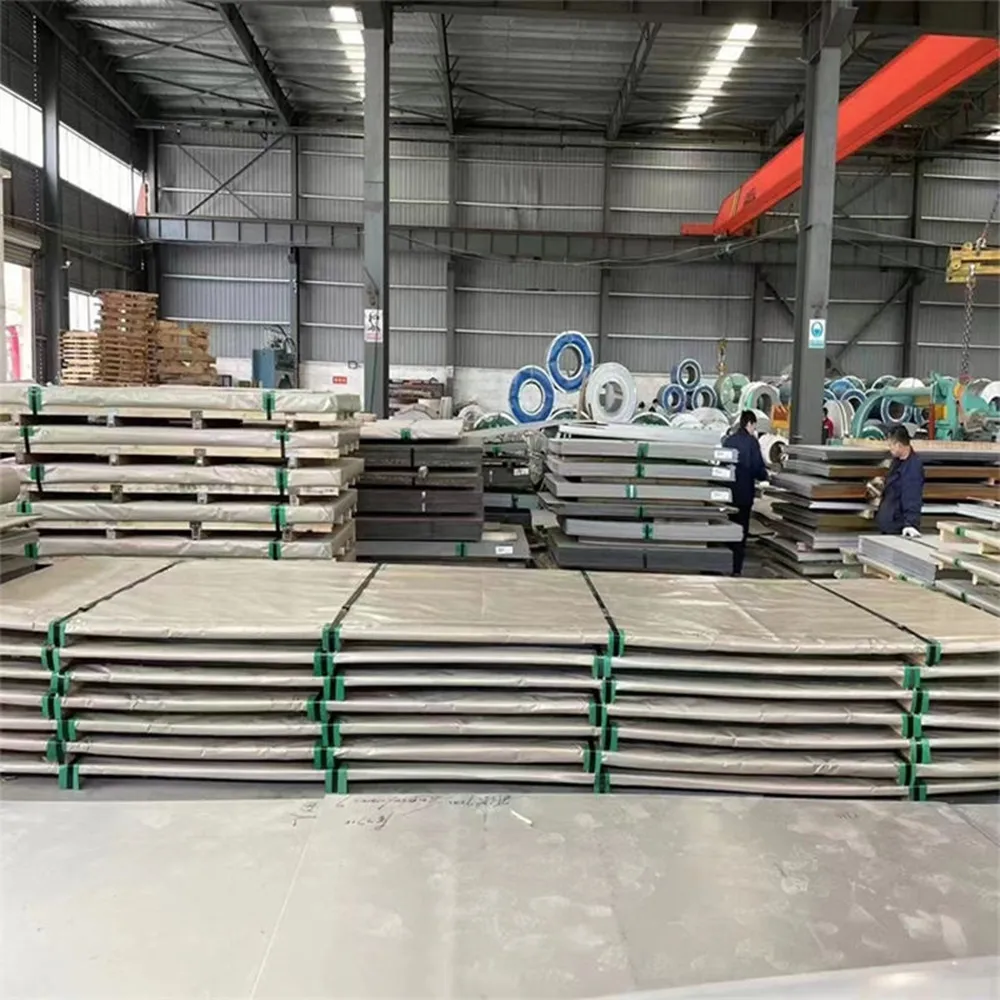
Corrosion Resistance
Chromium content forms a passive layer that protects against rust.
High Strength-to-Weight Ratio
Even thin sheets maintain structural integrity.
Thermal Resistance
Suitable for high-temperature environments.
Electrical Conductivity
Used in shielding and electronic applications.
Hygienic Surface
Ideal for medical and food-grade uses.
These features make the stainless steel foil sheet indispensable in demanding industries.
Major Applications of Stainless Steel Foil Sheet
1. Electronics and Electrical Industry
Thin foil sheets are used for:
- EMI/RFI shielding
- Battery components
- Flexible circuits
Their conductivity and thin profile make them essential for modern electronics.
2. Aerospace and Automotive
In aerospace, weight reduction is critical. Stainless steel foil sheets provide:
- Heat shields
- Insulation layers
- Structural reinforcement
Automotive applications include gaskets, exhaust systems, and sensors.
3. Medical and Pharmaceutical Use
The hygienic and corrosion-resistant nature of stainless steel foil sheets makes them ideal for:
- Surgical instruments
- Medical packaging
- Sterile barriers
4. Industrial Manufacturing
Heavy industries use foil sheets for:
- Sealing and gasketing
- Filtration systems
- Chemical processing equipment
Explore industrial-grade options at stainless steel foil products.
5. Energy and Power Sector
In energy systems, stainless steel foil sheets serve in:
- Fuel cells
- Solar panels
- Heat exchangers
Their durability ensures long-term performance in harsh environments.
Stainless Steel Foil Sheet vs Thin Sheet Metal
While both may appear similar, there are key differences:
| Feature | Foil Sheet | Thin Sheet Metal |
|---|---|---|
| Thickness | <0.2 mm | >0.2 mm |
| Flexibility | High | Moderate |
| Precision | Very high | Lower |
| Applications | Specialized | General |
A stainless steel foil sheet is the preferred choice when precision and flexibility are critical.
Manufacturing Process of Stainless Steel Foil Sheet
The production of stainless steel foil sheets involves several precise steps:
- Melting and Casting – Raw materials are melted and cast into slabs
- Hot Rolling – Slabs are reduced in thickness
- Cold Rolling – Achieves ultra-thin dimensions
- Annealing – Improves ductility and removes stress
- Surface Finishing – Enhances appearance and performance
Advanced rolling technologies ensure consistent thickness across the entire foil sheet.
Choosing the Right Stainless Steel Foil Sheet
Selecting the right foil depends on your application. Consider:
Thickness Requirements
Thinner sheets offer flexibility but may reduce strength.
Grade Selection
Choose 301 for strength or 304 for corrosion resistance.
Surface Finish
Polished or matte finishes affect performance and aesthetics.
Application Environment
Consider exposure to chemicals, heat, or moisture.
For tailored solutions, contact experts via the contact page.
Advantages of Using Stainless Steel Foil Sheet
Businesses choose stainless steel foil sheets because they:
- Reduce material weight
- Improve product performance
- Enhance durability
- Provide long-term cost savings
In fact, stainless steel materials account for over 70% of industrial corrosion-resistant applications worldwide, highlighting their importance.
Industry Trends and Future Demand
The demand for stainless steel foil sheets continues to grow due to:
- Expansion of electric vehicles
- Growth in renewable energy
- Increased use in microelectronics
Manufacturers are now developing ultra-thin foil sheets below 5 microns, pushing the boundaries of material science.
Stay updated with trends on the blog section.
Where to Buy Stainless Steel Foil Sheet
When sourcing materials, reliability matters. Always choose a trusted supplier with:
- Consistent quality control
- Customization options
- Competitive pricing
Start exploring options at the official stainless steel foil website.
Summary
The stainless steel foil sheet is a versatile, high-performance material used across industries that demand precision, durability, and corrosion resistance. From ultra-thin gauges to specialized applications in electronics and aerospace, it offers unmatched advantages.
Understanding sizes, gauges, and grades helps you make informed decisions and ensures optimal performance for your projects. As industries evolve, the importance of stainless steel foil sheets will only continue to grow. Get for more information visit stainless steel foil and contact us.
FAQ
What thickness qualifies as a stainless steel foil sheet?
A Stainless Steel Foil Sheet guide typically has a thickness below 0.2 mm, often measured in microns for precision applications.
What is the most common grade for stainless steel foil sheet?
The most widely used stainless steel foil sheet grade is 304 due to its excellent corrosion resistance and versatility.
Can stainless steel foil sheet be customized?
Yes, manufacturers offer custom sizes, finishes, and thicknesses for Stainless Steel Foil Sheet guide based on specific industrial needs.
Is stainless steel foil sheet suitable for high temperatures?
A Stainless Steel Foil Sheet guide performs well in high-temperature environments, especially in aerospace and energy applications.
How is stainless steel foil sheet different from regular steel sheets?
A stainless steel foil sheet is thinner, more flexible, and designed for precision applications compared to regular steel sheets.