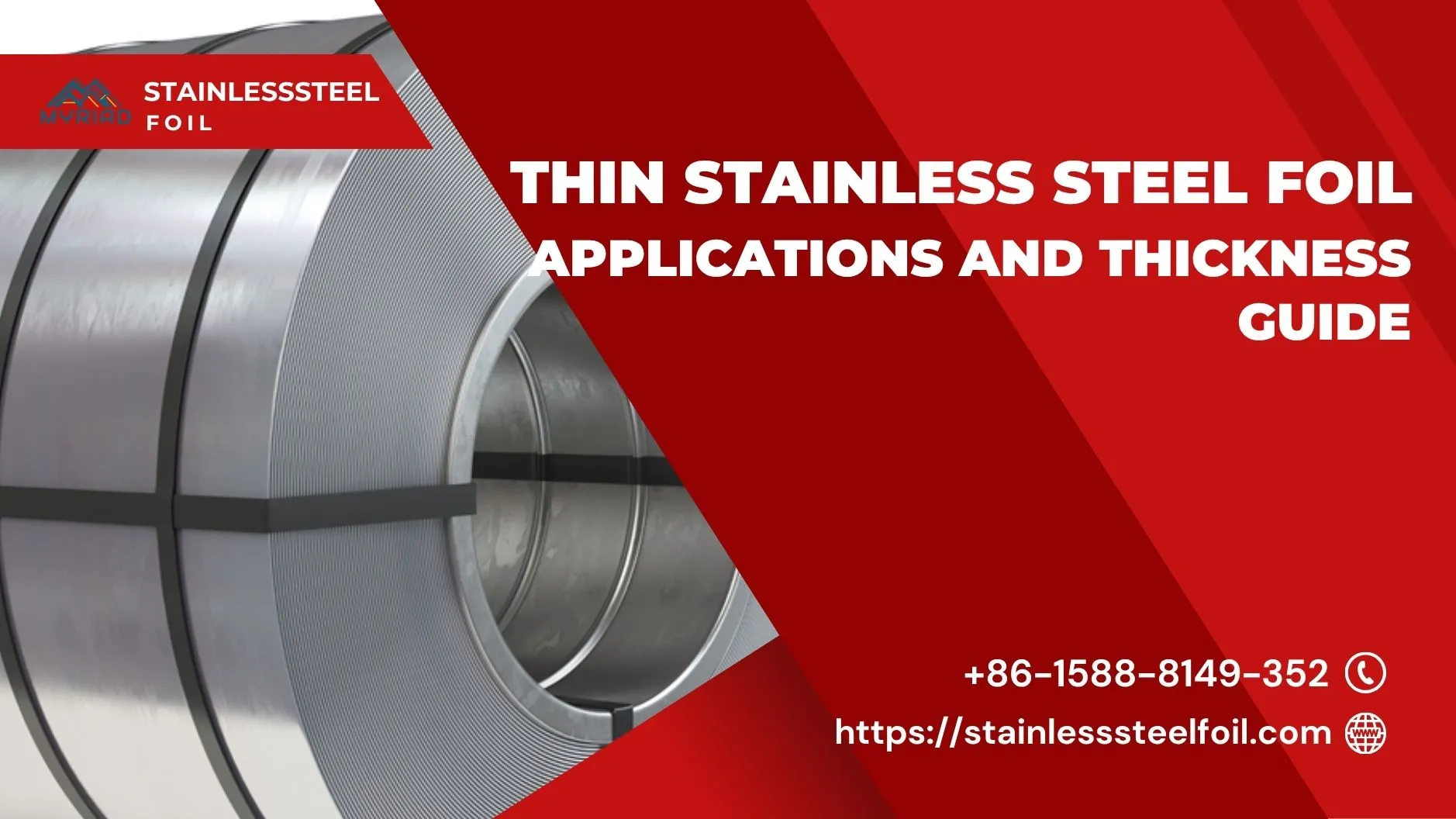
In today’s fast-evolving manufacturing world, thin stainless steel foil plays a surprisingly powerful role. Despite its delicate appearance, this material delivers exceptional strength, corrosion resistance, and versatility across industries.
From microelectronics to aerospace engineering, thin stainless steel foil is often the hidden backbone of high-performance systems. Its ultra-thin profile allows engineers to design lighter, more efficient, and more compact products without sacrificing durability.
To fully appreciate its value, it helps to understand how it works. This guide will walk you through thickness ranges, key applications, and practical selection tips for choosing the right foil. If you want a broader technical background, this overview of stainless steel explains the science behind its corrosion resistance.
What Is Thin Stainless Steel Foil?
Thin stainless steel foil refers to stainless steel that has been rolled into extremely thin sheets, typically below 0.2 mm in thickness. In many cases, manufacturers produce foil as thin as 0.01 mm or even less for specialized uses.
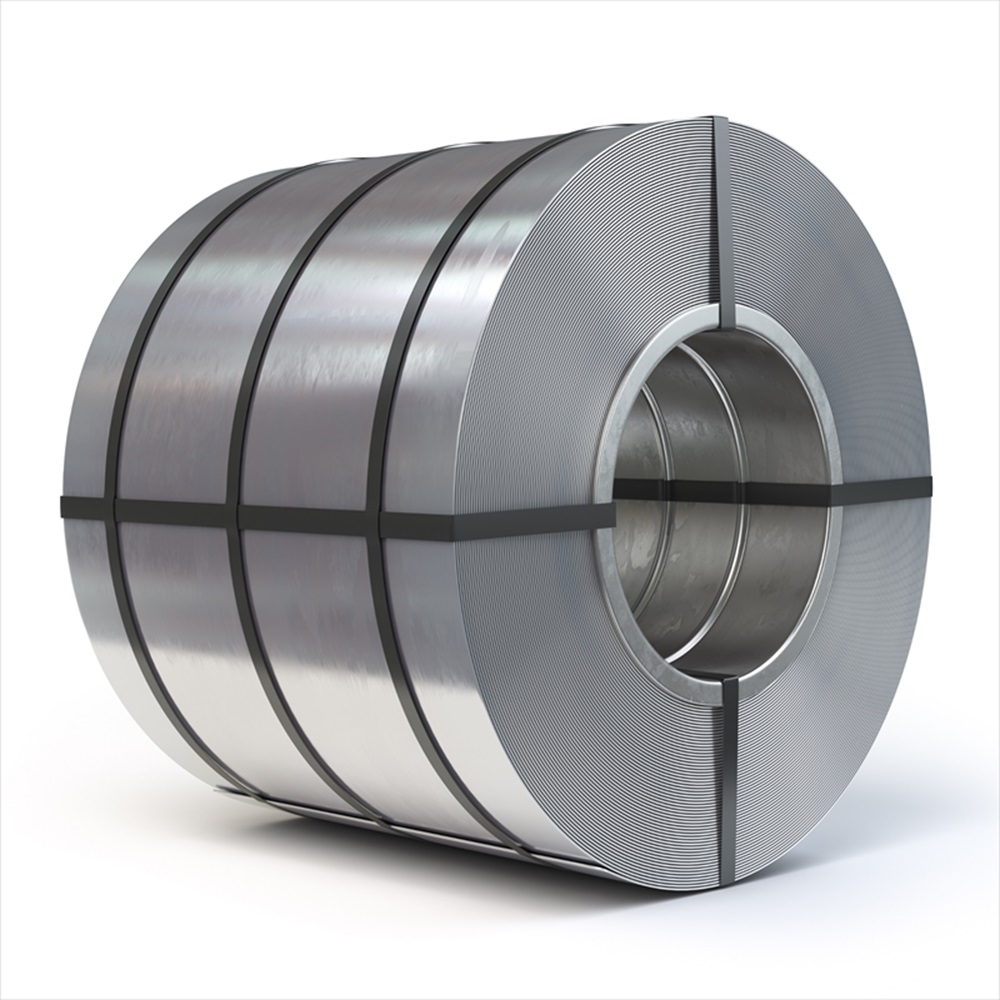
Unlike standard sheet metal, this material offers:
- High flexibility
- Uniform thickness
- Smooth surface finish
- Excellent resistance to corrosion and heat
If you’re new to the concept, this resource on what is stainless steel foil provides a helpful starting point.
Thickness in Thin Stainless Steel Foil
Thickness is the defining characteristic of thin stainless steel foil. It determines how the material behaves in different environments.
Typical Thickness Ranges
| Thickness (mm) | Microns | Common Applications |
|---|---|---|
| 0.2 mm | 200 µm | Industrial sealing |
| 0.1 mm | 100 µm | General engineering |
| 0.05 mm | 50 µm | Electronics shielding |
| 0.02 mm | 20 µm | Battery components |
| 0.01 mm | 10 µm | Precision instruments |
| 0.005 mm | 5 µm | Microelectronics |
The thinner the foil, the more flexible and adaptable it becomes. However, handling also becomes more delicate.
For advanced applications, manufacturers offer ultra-thin options such as 316L stainless steel foil ultrathin 0.01mm.
How Thin Stainless Steel Foil Is Manufactured
The production of thin stainless steel foil involves precision engineering at every stage.
The process begins with hot-rolled coils. These are gradually reduced in thickness through repeated cold rolling. Each pass ensures tighter tolerances and improved surface finish.
To understand this better, explore the detailed process of ultra thin stainless steel foil manufacturing.
After rolling, manufacturers anneal the foil to restore ductility. They then apply surface finishing techniques to achieve the required texture and performance.
The entire process ensures that thin stainless steel foil maintains consistency even at microscopic thickness levels.
Grades Used in Thin Stainless Steel Foil
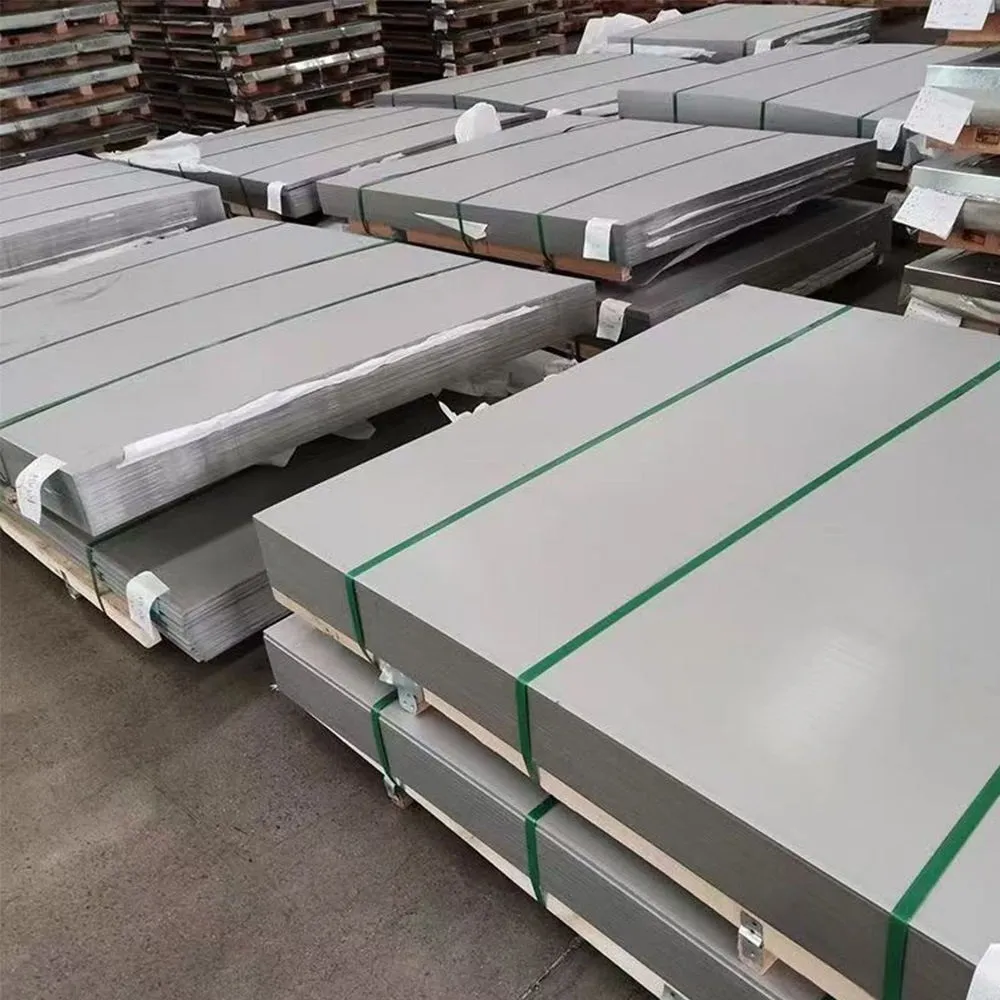
Not all stainless steel foils perform the same. The grade you choose significantly impacts performance.
301 Stainless Steel Foil
301 offers excellent strength and fatigue resistance. It is ideal for spring applications and structural components.
Learn more here: 301 stainless steel foil
304 Stainless Steel Foil
304 is widely used due to its excellent corrosion resistance and versatility.
Read more: 304 stainless steel foil
316L Stainless Steel Foil
316L provides superior corrosion resistance, especially in chemical and marine environments. It is often used in medical and high-precision industries.
Properties of Thin Stainless Steel Foil
What makes this thin stainless steel foil so valuable is its combination of mechanical and chemical properties.
Corrosion Resistance
The chromium content forms a passive oxide layer that prevents rust.
Strength Despite Thinness
Even at a few microns, the foil maintains impressive tensile strength.
Heat Resistance
It performs well in high-temperature environments.
Formability
The material bends and shapes easily without cracking.
Hygienic Surface
Its smooth finish makes it suitable for sterile environments.
These characteristics explain why industries rely heavily on thin stainless steel foil.
Major Applications of Thin Stainless Steel Foil
Electronics and Microelectronics
One of the largest uses of thin stainless steel foil is in electronics. It plays a critical role in:
- EMI and RFI shielding
- Flexible printed circuits
- Lithium-ion battery components
The global electronics industry continues to expand, driving demand for ultra-thin materials.
Aerospace and Aviation
Weight reduction is essential in aerospace engineering. Thin stainless steel foil helps reduce weight without compromising strength.
Applications include:
- Thermal insulation layers
- Heat shields
- Structural reinforcement
Medical and Healthcare Industry
The hygienic and corrosion-resistant nature of thin stainless steel foil makes it perfect for medical use.
It is commonly used in:
- Surgical instruments
- Implantable devices
- Sterile packaging
Automotive Industry
Modern vehicles rely on thin stainless steel foil for efficiency and durability.
Common uses include:
- Exhaust systems
- Gaskets and seals
- Sensors and heat shields
Energy and Renewable Systems
Thin stainless steel foil is essential in energy applications such as:
- Fuel cells
- Solar panels
- Heat exchangers
With renewable energy growing rapidly, demand for high-performance materials continues to rise.
Thin Stainless Steel Foil vs Standard Stainless Steel Sheets
Although they come from the same material family, there are clear differences.
| Feature | Thin Foil | Standard Sheet |
|---|---|---|
| Thickness | Below 0.2 mm | Above 0.2 mm |
| Flexibility | Very high | Moderate |
| Precision | Extremely high | Standard |
| Applications | Specialized | General |
Choosing thin stainless steel foil is essential when precision and flexibility matter most.
Benefits of Using Thin Stainless Steel Foil
Businesses prefer thin stainless steel foil for several reasons.
It reduces the overall weight of products. It also improves efficiency in compact designs. At the same time, it maintains long-term durability.
Additionally, stainless steel accounts for a significant share of corrosion-resistant applications worldwide. This makes them a reliable long-term investment.
How to Choose the Right Thin Stainless Steel Foil
Selecting the right material requires careful consideration.
Start with thickness. Thinner foils work well for electronics, while thicker ones suit industrial uses.
Next, consider the grade. Choose 304 for general use and 316L for harsh environments.
Surface finish also matters. A smoother finish improves performance in sensitive applications.
If you need expert guidance, you can reach out through the contact page.
You can also explore a wide range of options at the products section or directly browse stainless steel foil products.
Industry Trends and Future Outlook
The future of thin stainless steel foil looks promising. Several industries are pushing the limits of material science.
Electric vehicles are increasing demand for lightweight materials. At the same time, microelectronics require thinner and more precise components.
Manufacturers now produce ultra-thin foil below 5 microns. This opens new possibilities in nanotechnology and advanced engineering.
Stay updated with the latest developments through the blog section.
Where to Source High-Quality Thin Stainless Steel Foil
Choosing a reliable supplier is just as important as selecting the material itself.
A good supplier ensures consistent quality, precise thickness control, and customization options.
You can start by exploring the official stainless steel foil homepage or browse specialized categories like precision stainless steel foil and stainless foil.
Summary
Thin stainless steel foil is a highly versatile material that combines strength, flexibility, and corrosion resistance in an ultra-thin form. Its wide range of applications—from electronics to aerospace—makes it indispensable in modern manufacturing.
By understanding thickness, grades, and applications, businesses can select the right foil for their needs. As technology advances, thin stainless steel foil will continue to play a vital role in innovation and efficiency. For more information, visit stainless steel foil and contact us.
FAQs
Q. What is thin stainless steel foil used for?
A. Thin stainless steel foil is widely used in electronics, medical devices, aerospace components, and energy systems due to its flexibility and durability.
Q. How thin can stainless steel foil be?
A. A Thin Stainless Steel Foil Guide can be as thin as 0.005 mm, depending on manufacturing capabilities and application requirements.
Q. Which grade is best for thin stainless steel foil?
A. The best grade for thin stainless steel foil depends on the application, with 304 for general use and 316L for high corrosion resistance.
Q. Is thin stainless steel foil strong?
A. Despite its thickness, Thin Stainless Steel Foil Guide offers excellent strength and durability, making it suitable for demanding environments.
Q. Can thin stainless steel foil resist heat?
A. Yes, Thin Stainless Steel Foil Guide performs well in high-temperature conditions, especially in aerospace and industrial applications.