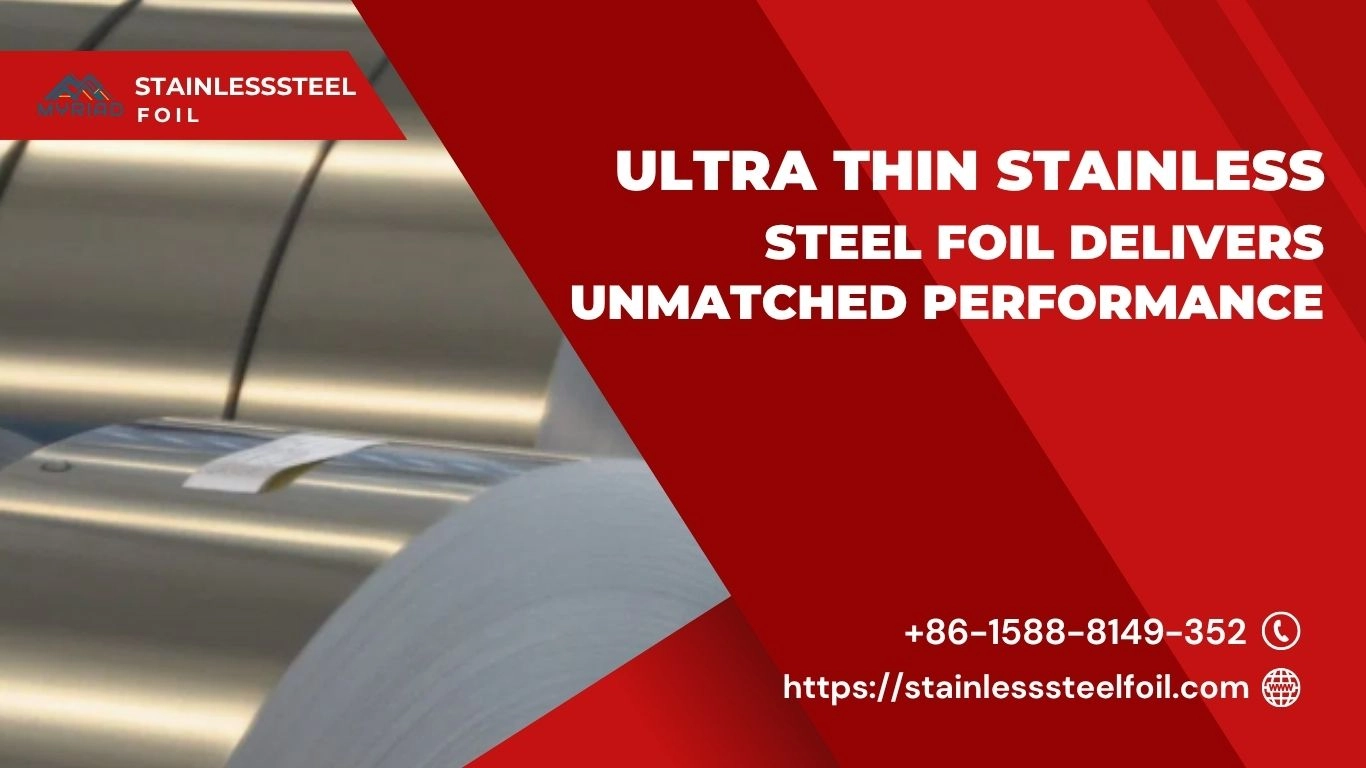
In today’s high-precision world, materials are expected to do more while taking up less space. From advanced electronics to medical devices, industries rely on materials that combine strength, flexibility, and corrosion resistance—all in extremely thin profiles. This is where Ultra Thin Stainless Steel Foil stands out.
Unlike conventional metal sheets, ultra thin foil offers exceptional performance at microscopic thickness levels, often as thin as 0.01 mm. Its ability to maintain structural integrity while remaining lightweight makes it indispensable across modern industries.
If you want to understand how this advanced material works at a deeper level, this detailed guide on what stainless steel foil is provides a solid foundation.
In this article, we will explore where Ultra Thin Stainless Steel Foil delivers unmatched performance, why industries prefer it, and how to choose the right type for your application.
What Is Ultra Thin Stainless Steel Foil?
At its core, Ultra Thin Stainless Steel Foil is a highly refined metal sheet produced through precision rolling processes. It is derived from stainless steel, a corrosion-resistant alloy primarily composed of iron, chromium, and nickel.
According to stainless steel fundamentals, chromium content creates a passive oxide layer that protects the material from corrosion. This property remains intact even when the material is reduced to ultra-thin thickness.
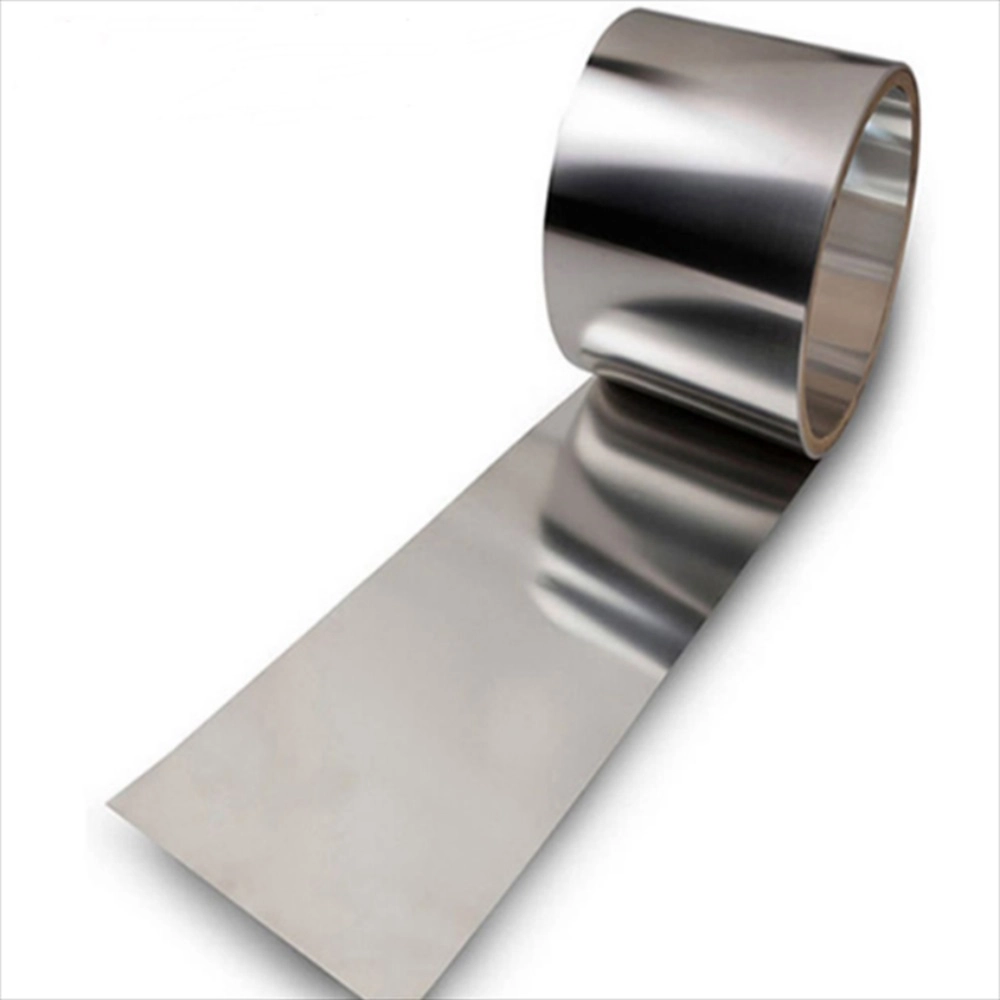
For a deeper technical breakdown, explore the ultra-thin stainless steel foil manufacturing process.
Key Characteristics
- Thickness typically ranges from 0.001 mm to 0.1 mm
- Exceptional corrosion resistance
- High tensile strength
- Excellent flexibility and formability
- Superior heat resistance
These properties make Ultra Thin Stainless Steel Foil uniquely suited for demanding environments.
Why Ultra Thin Stainless Steel Foil Outperforms Other Materials
Strength Without Bulk
Despite its thinness, Ultra Thin Stainless Steel Foil retains impressive mechanical strength. Compared to aluminum foil, it offers significantly higher tensile strength and durability.
Corrosion Resistance
Thanks to its chromium-rich composition, this foil resists oxidation even in humid, acidic, or saline environments.
Heat Resistance
Ultra thin stainless steel can withstand extreme temperatures, making it ideal for aerospace and industrial applications.
Precision Engineering
Manufacturers can achieve micron-level tolerances, which is critical in industries like electronics and medical devices.
Where Ultra Thin Stainless Steel Foil Delivers Unmatched Performance
1. Electronics and Microelectronics
Modern electronics demand materials that are both conductive and durable. Ultra Thin Stainless Steel Foil is widely used in:
- EMI/RFI shielding
- Flexible printed circuits
- Battery components
Its thin profile allows compact designs without compromising performance.
For specialized foil products, browse stainless steel foil products.
2. Medical and Surgical Applications
Healthcare applications demand precision and biocompatibility. Ultra Thin Stainless Steel Foil excels in:
- Surgical instruments
- Implantable devices
- Medical packaging
Grades like 316L ultra-thin stainless steel foil are especially popular due to their superior corrosion resistance and biocompatibility.
3. Aerospace and Defense
In aerospace, weight reduction is critical. Ultra Thin Stainless Steel Foil offers:
- Thermal shielding
- Lightweight structural components
- Vibration-resistant parts
Its ability to perform under extreme conditions makes it indispensable in defense systems.
4. Automotive and Energy Sector
The automotive industry increasingly relies on Ultra Thin Stainless Steel Foil for:
- Electric vehicle batteries
- Fuel cells
- Catalytic converters
Its durability and resistance to heat and chemicals ensure long-term reliability.
5. Industrial and Chemical Processing
Industrial environments are often harsh. This foil is used in:
- Heat exchangers
- Filtration systems
- Chemical reactors
Its corrosion resistance significantly reduces maintenance costs.
Comparison Table: Stainless Steel Foil vs Other Materials
| Property | Stainless Steel Foil | Aluminum Foil | Copper Foil |
|---|---|---|---|
| Strength | High | Medium | Medium |
| Corrosion Resistance | Excellent | Moderate | Low |
| Heat Resistance | Excellent | Moderate | High |
| Cost | Moderate | Low | High |
| Durability | High | Low | Medium |
As shown above, Ultra Thin Stainless Steel Foil offers the best balance of performance and durability.
Popular Grades of Ultra Thin Stainless Steel Foil
Different grades serve different purposes. Choosing the right one is crucial.
301 Stainless Steel Foil
Known for high strength and excellent fatigue resistance. Learn more here:301 stainless steel foil guide
304 Stainless Steel Foil
The most versatile grade with strong corrosion resistance.304 stainless steel foil overview
316L Stainless Steel Foil
Best for harsh environments and medical use.316L ultra-thin foil
Manufacturing Process: Precision at the Micron Level
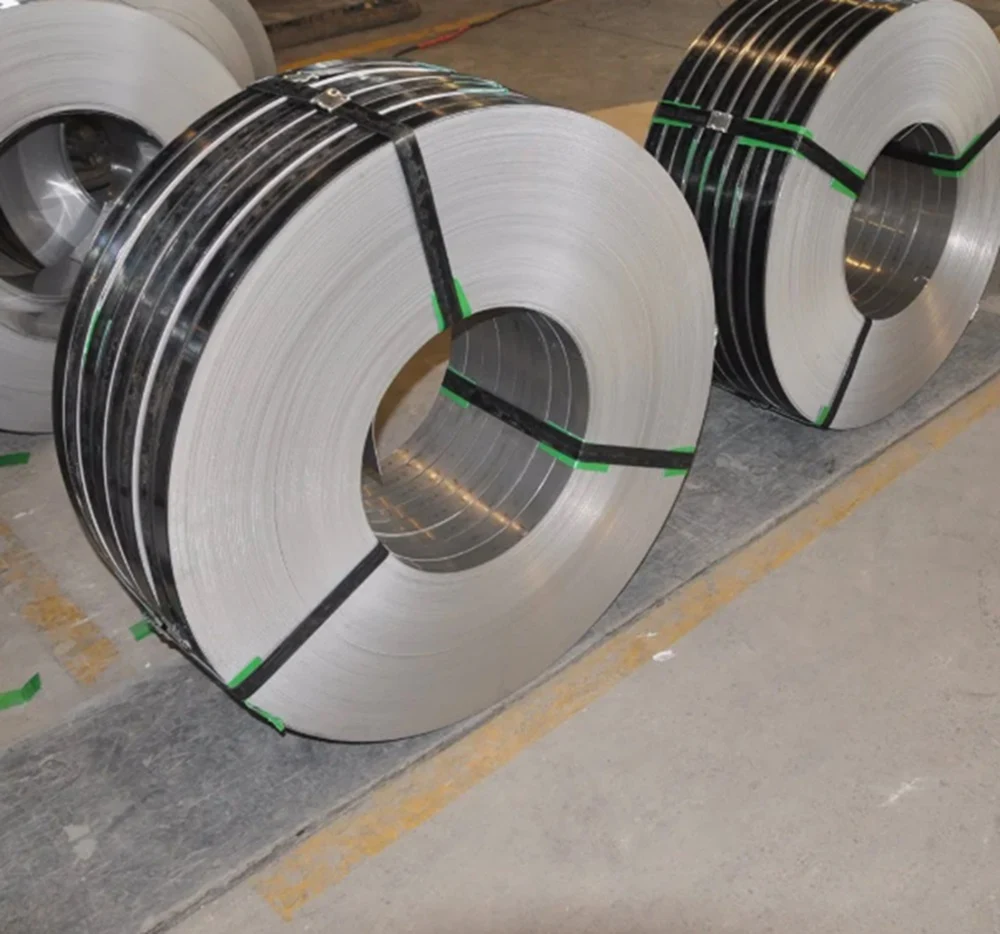
The production of Ultra Thin Stainless Steel Foil involves multiple stages:
- Hot rolling
- Cold rolling
- Annealing
- Precision slitting
To explore this in detail, check out how stainless steel foil is made.
Each stage ensures uniform thickness and consistent quality.
How to Choose the Right Ultra Thin Stainless Steel Foil
Selecting the right foil depends on your application. Consider:
- Required thickness
- Environmental conditions
- Mechanical strength needs
- Budget constraints
For a wide selection, visit the full product catalog.
If you’re unsure, contacting experts via contact page can help you make an informed decision.
Summary
Ultra Thin Stainless Steel Foil is a game-changing material that combines strength, flexibility, and corrosion resistance in an incredibly thin form. From electronics to aerospace, its unmatched performance enables innovation across industries.
If you’re looking to leverage its full potential, explore more resources and solutions on the official website or browse their blog section for deeper insights.
FAQs
Q. What is Ultra Thin Stainless Steel Foil used for?
A. Ultra Thin Stainless Steel Foil is used in electronics, medical devices, aerospace, and energy systems due to its strength and corrosion resistance.
Q. How thin can Ultra Thin Stainless Steel Foil be?
A. Ultra Thin Stainless Steel Foil can be as thin as 0.001 mm, depending on the manufacturing process and application requirements.
Q. Is Ultra Thin Stainless Steel Foil better than aluminum foil?
A. Yes, Ultra Thin Stainless Steel Foil offers higher strength, better corrosion resistance, and greater durability compared to aluminum foil.
Q. Which grade is best for Ultra Thin_Stainless Steel Foil?
A. The best grade of Ultra Thin Stainless Steel Foil depends on the application, with 304 for general use and 316L for harsh environments.
Q. Can Ultra Thin Stainless Steel_Foil resist heat?
A. Yes, Ultra Thin Stainless Steel Foil performs exceptionally well under high temperatures, making it ideal for industrial and aerospace use.