Stainless steel foil rolls are not just another industrial material you can stack in a corner and forget about. They are precision-engineered products designed to deliver corrosion resistance, strength, and hygiene across industries such as food processing, pharmaceuticals, electronics, and automotive manufacturing. However, even the highest-quality stainless steel foil rolls can lose their surface integrity and mechanical performance if stored incorrectly.
That is why proper storage is not a recommendation—it is a requirement.
Whether you are a manufacturer, distributor, fabricator, or end user, understanding how to store stainless steel foil rolls correctly helps you protect your investment, maintain compliance, and avoid costly material rejection. According to industry studies, improper storage conditions contribute to nearly 30% of avoidable stainless steel surface defects before fabrication even begins.
Before we dive deeper, it helps to understand what stainless steel foil actually is and how it is produced. If you need a technical overview, this guide on what stainless steel foils are explains the basics clearly and accurately.
In this article, we will explore the science, best practices, and real-world storage methods that keep stainless steel foil rolls in optimal condition for years.
Why Proper Storage of Stainless Steel Foil Rolls Matters
Stainless steel is known for its corrosion resistance, but that does not mean it is immune to damage. In fact, it is more sensitive than thicker coils because of its ultra-thin structure and high surface-to-volume ratio.
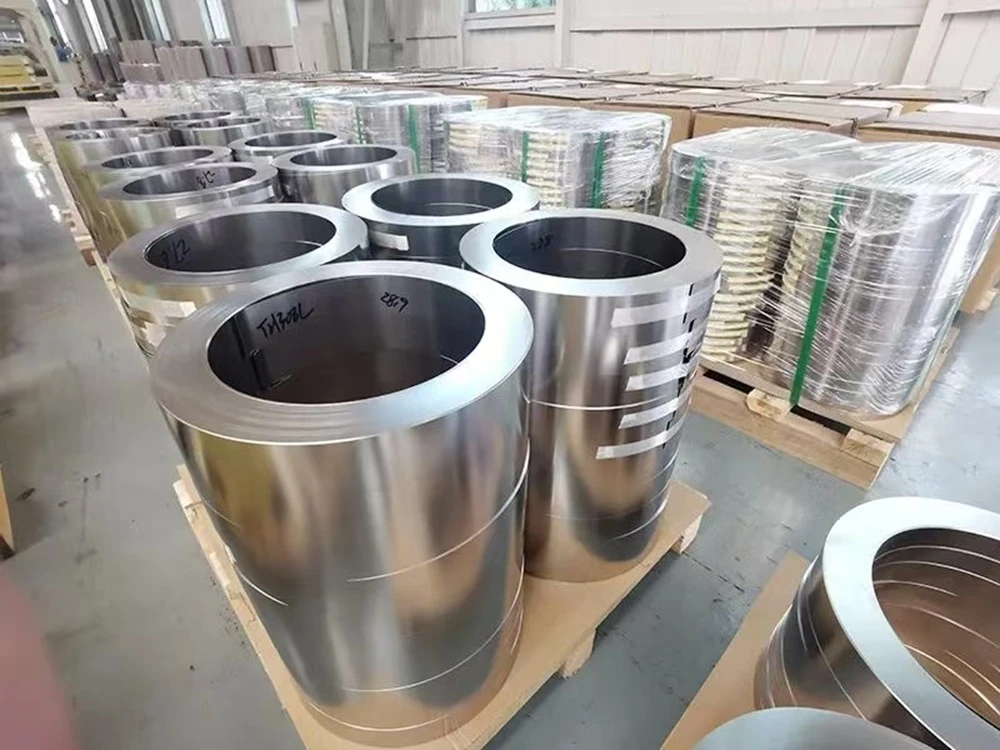
When stainless steel foil rolls are exposed to moisture, airborne chlorides, temperature fluctuations, or physical pressure, microscopic surface changes can begin almost immediately. Over time, these changes can develop into staining, pitting, or edge deformation.
Moreover, industries that rely on it—such as food packaging or medical manufacturing—must follow strict cleanliness and quality standards. If foil surfaces become contaminated during storage, entire batches may be rejected.
To understand how sensitive stainless steel can be in uncontrolled environments, even Wikipedia’s technical overview of stainless steel highlights the role of environment in corrosion resistance.
Understanding the Nature of Stainless Steel Foil Rolls
Before discussing storage techniques, it is important to understand how this are manufactured. These foils are produced from hot-rolled coils and then cold-rolled to extremely precise thicknesses, sometimes below 0.05 mm. This process is explained in detail in this technical article on how stainless steel foil is made from hot-rolled coil to ultra-thin precision.
Because of this intensive rolling process, the surface finish becomes critical. Any minor abrasion, pressure point, or chemical exposure during storage can permanently affect the foil’s usability.
Different grades also react differently to storage environments. For example, 316 stainless steel foil offers superior resistance to chlorides, making it more forgiving in coastal or humid regions. Still, even 316 grade requires proper storage discipline.
Ideal Storage Environment for Stainless Steel Foil Rolls
Temperature Control Is the First Line of Defense
its should always be stored in a stable temperature environment, ideally between 15°C and 25°C. Rapid temperature changes can cause condensation to form on the foil surface, especially when rolls are moved from cold transport conditions into warm storage rooms.
Condensation is dangerous because trapped moisture breaks down the passive chromium oxide layer that protects stainless steel. Over time, this leads to discoloration or surface staining.
Therefore, climate-controlled storage facilities are strongly recommended, particularly for warehouses in humid or monsoon-prone regions.
Humidity Management Prevents Surface Degradation
Humidity control is just as important as temperature control. Industry best practices suggest maintaining relative humidity below 60% when storing stainless steel foil rolls.
High humidity increases the risk of corrosion, especially if airborne contaminants such as chlorides or sulfur compounds are present. Using industrial dehumidifiers and sealed storage rooms significantly reduces these risks.
If you work with food-grade materials, this becomes even more critical. You can learn more about compliance standards in this article on which stainless steel is food grade.
Correct Packaging Methods for Stainless Steel Foil Rolls
Packaging plays a critical role in preserving stainless steel foil rolls during storage. Most manufacturers ship foil rolls with protective wrapping, but how you maintain that packaging matters.
Original Packaging Should Stay Intact
Whenever possible, it should remain in their original manufacturer packaging until they are ready for use. These packages often include vapor corrosion inhibitors (VCI), moisture-resistant films, and protective edge guards.
Removing this packaging too early exposes the foil to airborne particles and moisture. If you must open the packaging for inspection, reseal it immediately using compatible materials.
Avoid Reactive Wrapping Materials
Never store stainless steel foil rolls in direct contact with materials such as cardboard dust, untreated wood, or carbon steel. These materials can transfer contaminants that accelerate corrosion.
Instead, use polyethylene sheets or neutral protective films designed for stainless steel storage. Proper separation is especially important in mixed-metal warehouses.
Horizontal vs Vertical Storage: Which Is Better?
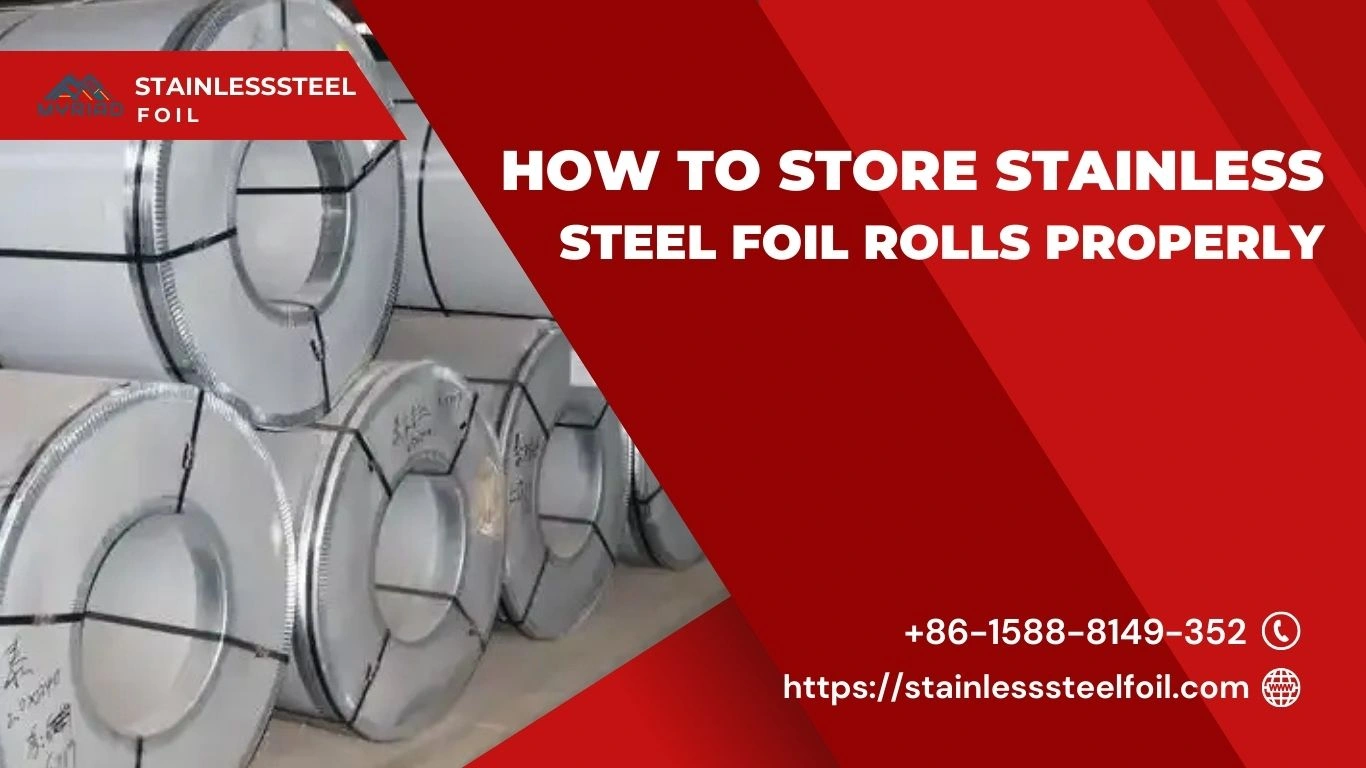
Storage orientation affects both safety and material integrity. In most cases, horizontal storage is preferred for stainless steel foil rolls, particularly for thinner gauges.
Horizontal storage distributes weight evenly across the roll width, reducing the risk of telescoping or edge deformation. However, proper supports must be used to prevent flat spots.
Vertical storage can work for smaller rolls, but only if they are properly supported and restrained. Without correct racking systems, vertical storage increases the risk of roll collapse or edge damage.
Manufacturers featured on products often provide handling and storage recommendations specific to foil thickness and roll weight.
Handling Practices That Protect Stored Foil Rolls
Even perfect storage conditions can be ruined by poor handling habits. it should always be moved using clean, non-abrasive lifting equipment.
Forklift tines must be padded or coated to prevent scratching. Chains or bare hooks should never come into direct contact with foil surfaces.
Additionally, operators should wear clean gloves when handling exposed foil. Fingerprints contain salts and oils that can leave permanent marks on stainless steel surfaces over time.
Long-Term Storage vs Short-Term Storage Requirements
Short-term storage, typically under three months, allows for more flexibility if conditions are controlled. However, long-term storage requires stricter discipline.
For long-term storage of it, periodic inspection is essential. Rolls should be checked every 30 to 60 days for signs of moisture ingress, packaging damage, or surface discoloration.
Rotating stock using FIFO (first-in, first-out) principles also helps reduce storage-related risks. This practice is widely recommended across industrial supply chains and discussed in various resources available on the stainless steel foil blog section.
Storage Mistakes to Avoid
Many storage failures occur not because of poor materials, but because of avoidable mistakes. One common error is storing stainless steel foil rolls near chemical storage areas. Fumes from acids, solvents, or cleaning agents can attack the passive layer of stainless steel even without direct contact.
Another mistake is stacking rolls without proper spacers. Excessive pressure leads to deformation, which becomes visible only during uncoiling.
Finally, mixing stainless steel foil rolls with carbon steel inventory increases the risk of cross-contamination. Iron particles can embed into stainless surfaces and create rust spots later.
Why Industry-Specific Storage Standards Matter
Different industries impose different storage requirements. For example, pharmaceutical manufacturers require cleanroom-level storage for it used in medical packaging. Food processors demand hygienic storage free from dust and biological contaminants.
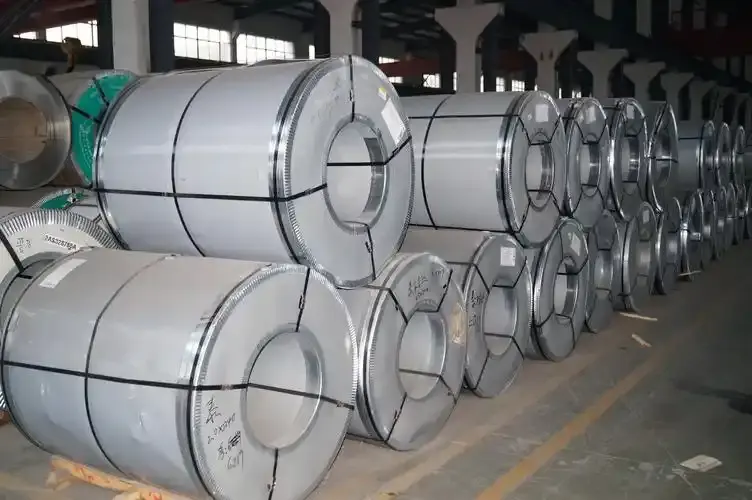
Understanding the use cases of stainless steel foils helps determine appropriate storage standards. This resource on use of stainless steel foils explains how application impacts handling and storage expectations.
Choosing a Reliable Supplier Improves Storage Outcomes
Even the best storage practices cannot compensate for poor material quality. Reputable suppliers provide this with proper surface finishing, protective packaging, and clear documentation.
If you are sourcing foil rolls for critical applications, it is always wise to work with experienced suppliers who understand both manufacturing and storage challenges. You can explore expert support and consultation options through stainless steel foil or reach out directly via the contact page.
Summary
Proper storage of stainless steel foil rolls is not just about space management—it is about preserving performance, appearance, and compliance. By controlling temperature, humidity, packaging, and handling practices, you can significantly extend the usable life of your material.From choosing the right storage environment to working with knowledgeable suppliers, every step matters. When stainless steel foil rolls are stored correctly, they deliver the reliability and durability that industries depend on.for more information visit stainless steel foils and contact us.
FAQs
How should stainless steel foil rolls be stored in humid climates?
In humid climates, this should be stored in climate-controlled warehouses with dehumidifiers.
Can stainless steel foil rolls be stored outdoors?
No. Outdoor storage exposes rolls to moisture and contaminants, which can damage this.
What is the best packaging for stainless steel foil rolls?
Anti-corrosion paper or vacuum-sealed plastic film is ideal for protecting it.
How long can stainless steel foil rolls be stored?
When stored properly, it can last several years without losing quality.
Why is FIFO important in stainless steel foil roll storage?
FIFO ensures older stainless steel foil rolls are used first, preventing long-term degradation.