Industries where precision determines performance, quality is not optional. Aerospace components, medical instruments, automotive parts, electronics shielding, and heat treatment processes all depend on materials that perform consistently. That is why Stainless Steel Foil Manufacturers play such a critical role in modern manufacturing.
From raw material selection to final inspection, every stage influences strength, corrosion resistance, thickness tolerance, and surface finish. Reliable Stainless Steel Foil Manufacturers follow strict metallurgical controls, advanced rolling techniques, and internationally recognized testing standards to ensure uniformity.
Understanding how quality is maintained helps buyers make informed sourcing decisions. It also explains why not all foil suppliers deliver the same level of reliability.
This in-depth guide explores how Stainless Steel Foil Manufacturers ensure quality, which standards they follow, and what buyers should evaluate before placing an order.
What Is Stainless Steel Foil? the Material First
Before examining quality control, it is important to understand the material itself.
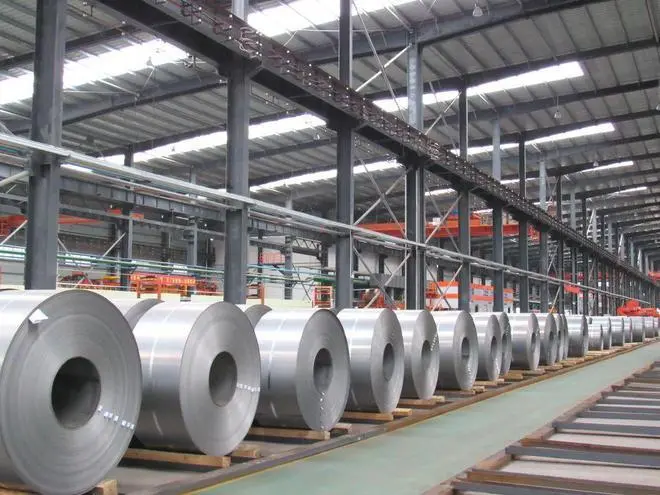
According to the technical overview of stainless steel, the alloy contains at least 10.5% chromium. This chromium forms a passive oxide layer that protects the surface from corrosion. When rolled to extremely thin gauges—typically below 0.2 mm—it becomes stainless steel foil.
If you want a complete introduction, the guide on what is stainless steel foils explains thickness classifications, properties, and industrial applications in greater detail.
High-performance foil must maintain:
- Tight thickness tolerance
- Smooth, uniform surface finish
- Controlled mechanical strength
- Consistent chemical composition
Achieving these characteristics requires careful process management from start to finish.
Why Quality Matters in Stainless Steel Foil Manufacturing
Quality is not simply about appearance. It affects performance, safety, and long-term durability.
For example, during heat treatment wrapping, inconsistent foil thickness may allow oxygen penetration. That leads to oxidation or scaling. In electronics, uneven surface conductivity affects shielding efficiency. In medical tools, contamination risks increase if the foil surface is not properly treated.
Reliable Stainless Steel Foil Manufacturers understand these consequences. They invest in process control systems that reduce variation and improve repeatability.
Raw Material Selection: The Foundation of Quality
Quality begins with raw materials. Top-tier Stainless Steel Foil Manufacturers source certified stainless steel coils from reputable steel mills. These materials undergo chemical composition testing before production begins.
The most common grades used in foil manufacturing include:
- 304 stainless steel
- 316 stainless steel
- 430 stainless steel
Each grade offers different corrosion resistance and strength properties. Selecting the correct grade depends on application requirements.
Manufacturers verify chromium, nickel, and molybdenum levels through spectrometric analysis. This ensures compliance with ASTM or ISO standards.
Without strict chemical control, even the most advanced rolling equipment cannot produce consistent foil.
Precision Rolling: Achieving Ultra-Thin Accuracy
Rolling is the core manufacturing step. Stainless steel coils pass through multiple rolling mills to gradually reduce thickness.
Modern Stainless Steel Foil Manufacturers use cold rolling techniques with automatic gauge control systems. These systems measure thickness in real time and adjust roller pressure instantly.
For example, advanced mills maintain tolerance within ±0.003 mm for ultra-thin applications. This precision is essential for aerospace and medical sectors.
Thickness uniformity ensures predictable performance during bending, forming, or heat exposure.
Annealing and Heat Treatment Control
Cold rolling increases hardness. Therefore, manufacturers perform controlled annealing to restore ductility.
During annealing:
- Foil is heated in a controlled atmosphere furnace
- Temperature is precisely monitored
- Oxygen exposure is minimized
High-quality Stainless Steel Foil Manufacturers use bright annealing furnaces. These prevent surface oxidation and maintain smooth finishes.
Controlled heat treatment improves flexibility without compromising corrosion resistance.
Surface Finishing and Cleanliness Standards
Surface finish affects both appearance and functionality. In industries like electronics or pharmaceuticals, contamination is unacceptable.
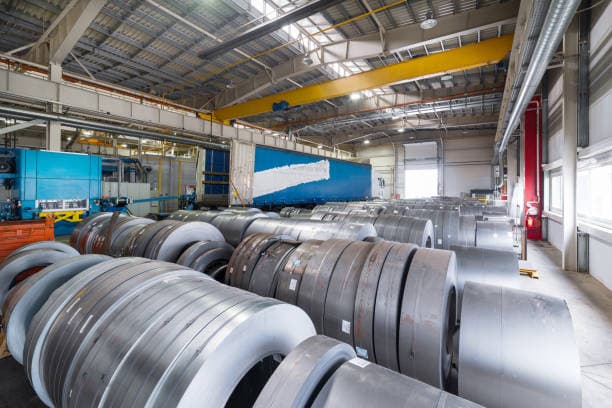
Manufacturers polish or treat foil surfaces depending on the intended use. Surface roughness is measured using profilometers to ensure consistency.
Some applications require mirror finishes. Others demand matte or brushed textures.
For further understanding of applications and finishes, explore the practical examples on use of stainless steel foils.
Quality Testing Procedures Used by Stainless Steel Foil Manufacturers
Testing ensures performance before shipment.
Leading Stainless Steel Foil Manufacturers conduct multiple inspections, including:
Mechanical Testing
Tensile strength and elongation tests verify flexibility and durability.
Chemical Testing
Laboratory analysis confirms alloy composition.
Thickness Measurement
Laser-based sensors ensure tolerance accuracy.
Corrosion Resistance Testing
Salt spray testing simulates harsh environments.
Surface Inspection
Automated vision systems detect scratches or pinholes.
Below is a simplified comparison table of quality checkpoints:
| Quality Parameter | Testing Method | Purpose |
|---|---|---|
| Thickness | Laser Gauge | Precision Control |
| Strength | Tensile Test | Durability Verification |
| Composition | Spectrometer | Alloy Accuracy |
| Corrosion | Salt Spray | Environmental Resistance |
| Surface Finish | Optical Scan | Visual Integrity |
These tests reduce rejection rates and increase product reliability.
Compliance with International Standards
Reputable Stainless Steel Foil Manufacturers comply with global standards such as:
- ASTM A240
- ISO 9001 Quality Management
- RoHS Compliance
Certification proves that processes meet recognized benchmarks. Buyers should always request mill test certificates (MTC) to confirm compliance.
Traceability and Batch Control
Traceability enhances accountability.
Top manufacturers assign batch numbers to every coil. This allows full tracking from raw material to finished foil roll.
If an issue arises, manufacturers can isolate specific production lots quickly. That minimizes risk and ensures customer confidence.
Packaging and Storage Protection
Even high-quality foil can suffer damage if packaged poorly.
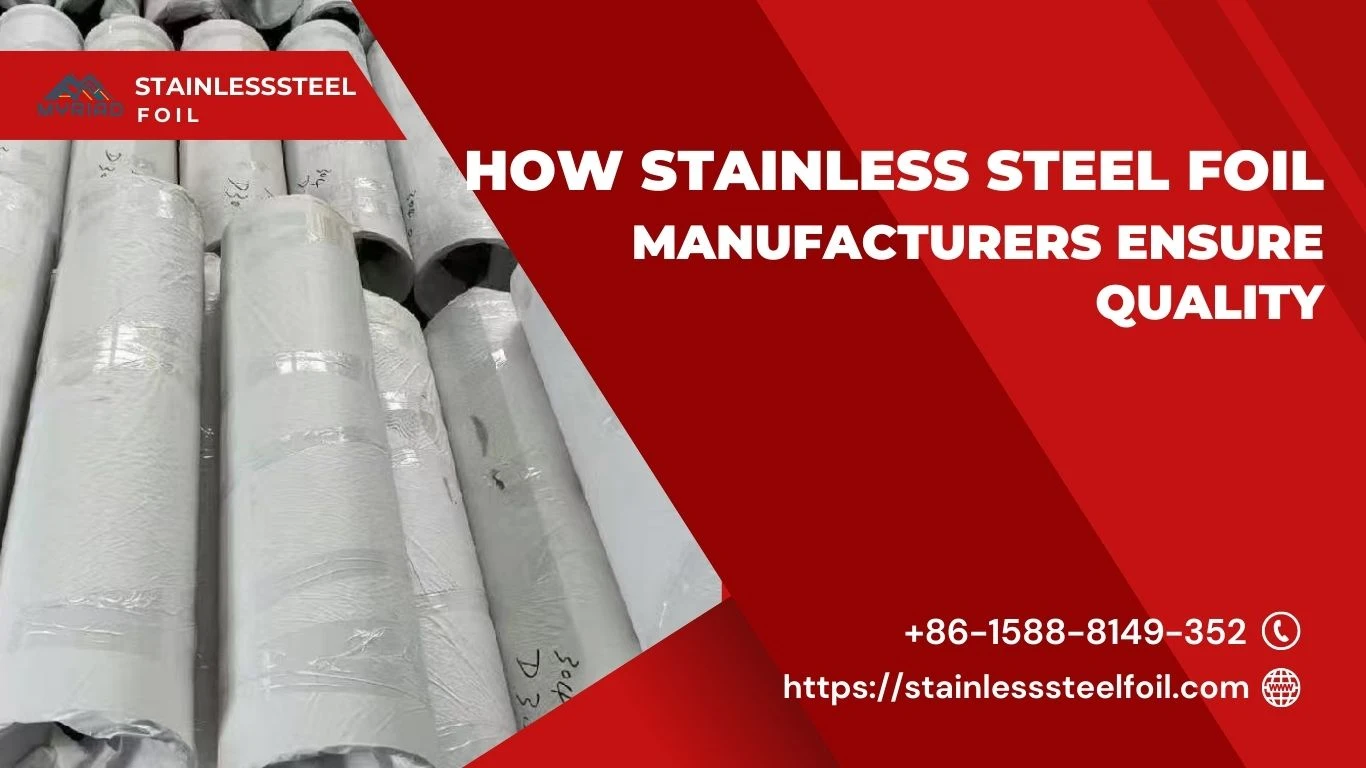
Reliable Stainless Steel Foil Manufacturers use moisture-resistant wrapping, protective cores, and impact-resistant packaging. Proper storage prevents contamination and edge damage during transport.
If you are sourcing materials, reviewing product specifications at Stainless Steel Foil Products provides helpful details about available finishes and packaging formats.
How Buyers Can Identify Reliable Stainless Steel Foil Manufacturers
Selecting the right supplier requires careful evaluation.
Start by reviewing technical resources available on the company’s official website. Transparent manufacturers share product specifications, certifications, and testing procedures openly.
Next, examine their broader product portfolio on the products page. A diversified range often indicates production capability and experience.
Additionally, reviewing educational content on the company blog helps determine technical expertise.
If further clarification is needed, buyers should directly contact the manufacturer for certifications and samples.
Applications That Demand Strict Quality Control
Industries that rely heavily on foil precision include:
Aerospace manufacturers require oxidation-free wrapping during heat treatment. Automotive producers use foil for catalytic converter components. Electronics companies depend on conductive shielding materials.
The page on steel foil sheet applications illustrates how wide-ranging these uses can be.
Additionally, businesses exploring sourcing options often consult the guide on where to buy stainless steel sheet for procurement insights.
Continuous Improvement and Process Innovation
Leading Stainless Steel Foil Manufacturers never stop refining their processes.
They invest in:
- Automated inspection systems
- AI-based defect detection
- Energy-efficient annealing furnaces
- Lean manufacturing systems
Continuous improvement reduces waste and improves consistency.
Environmental and Sustainability Considerations
Sustainability now influences purchasing decisions.
Stainless steel is 100% recyclable. According to industry reports, over 80% of stainless steel is recycled at end-of-life. Responsible manufacturers optimize scrap recovery during rolling and trimming.
Environmental responsibility adds long-term value to customers and end users alike.
Quality Issues and How Manufacturers Prevent Them
Even small defects can compromise performance. Common risks include:
- Edge cracking
- Surface scratches
- Thickness variation
- Oxidation
However, experienced Stainless Steel Foil Manufacturers prevent these problems through predictive maintenance, regular equipment calibration, and operator training.
Prevention costs less than correction.
Summary
Quality in foil production does not happen by chance. It results from controlled raw materials, precision rolling, strict annealing processes, thorough testing, and international compliance standards. Professional Stainless Steel Foil Manufacturers combine technology, expertise, and accountability to deliver consistent performance across industries. When sourcing foil for demanding applications, buyers should prioritize certified manufacturers who demonstrate traceability, transparency, and rigorous quality control systems. In doing so, they ensure durability, safety, and long-term reliability. Get for more information visit Stainless Steel Foil and contact us.
FAQs
What do Stainless Steel Foil Manufacturers test before shipping products?
Reliable it test thickness, tensile strength, chemical composition, and corrosion resistance before shipment.
How do Stainless Steel Foil Manufacturers maintain thickness accuracy?
Modern this use automated gauge control systems that adjust rolling pressure in real time.
Are all Stainless Steel Foil Manufacturers ISO certified?
Not all suppliers hold certification, but reputable it is typically comply with ISO 9001 standards.
Why should buyers request mill test certificates from Stainless Steel Foil Manufacturers?
Mill test certificates from it confirm chemical composition and mechanical properties.
How can I choose reliable Stainless Steel Foil Manufacturers?
Evaluate certifications, production capabilities, testing standards, and technical transparency when selecting this.