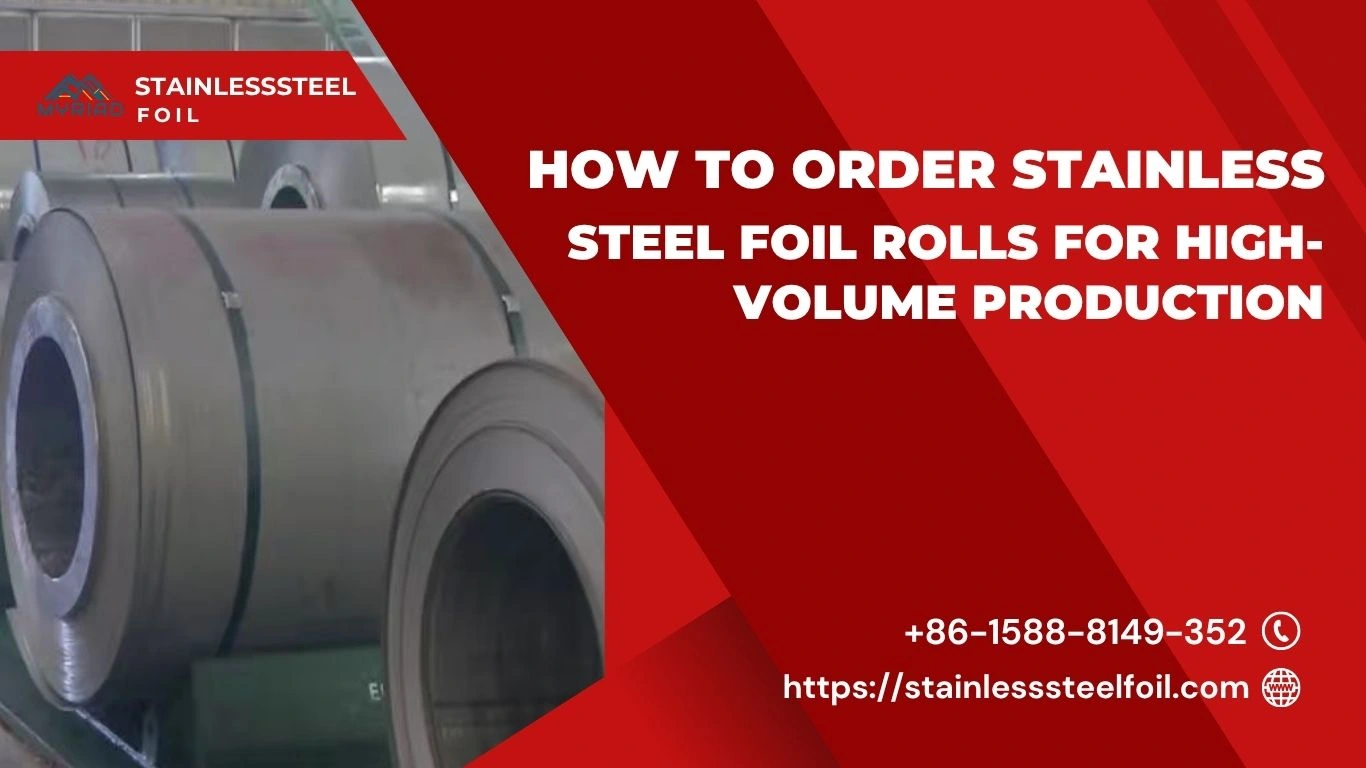
In today’s fast-paced manufacturing landscape, sourcing the right materials efficiently can determine whether your production line thrives or stalls. Among these materials, Stainless Steel Foil Rolls Guide play a critical role in industries ranging from electronics to automotive and aerospace. If your business depends on high-volume output, knowing how to order the right foil rolls—at the right specifications, price, and quality—is essential.
This comprehensive guide walks you through everything you need to know about ordering Stainless Steel Foil Rolls for large-scale production. From understanding material grades to choosing suppliers and optimizing logistics, you’ll gain actionable insights to make smarter purchasing decisions.
What Are Stainless Steel Foil Rolls?
Before diving into ordering strategies, it’s important to understand the product itself. According to this detailed explanation of stainless steel, stainless steel is an iron-based alloy known for corrosion resistance, durability, and versatility.
You can explore a deeper breakdown on what stainless steel foil is, but in simple terms, Stainless Steel Foil Rolls are ultra-thin sheets of stainless steel—typically less than 0.2 mm thick—wound into rolls for industrial use.
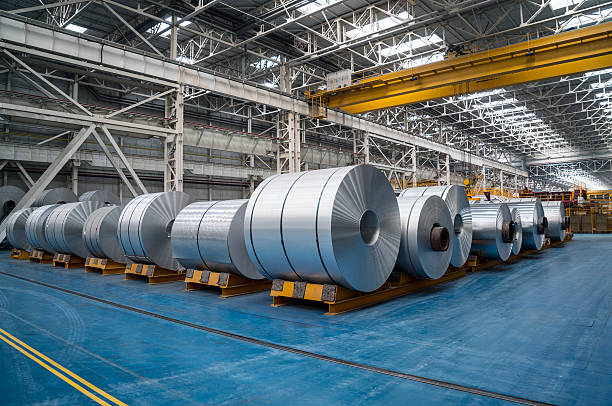
These foil rolls are commonly used in:
- Battery production
- Heat exchangers
- Flexible electronics
- Medical devices
- Automotive shielding systems
Because of their thinness and flexibility, they require precise manufacturing processes, such as those described in this guide on how stainless steel foil is made.
Why High-Volume Buyers Need a Strategic Approach
Ordering Stainless Steel Foil Rolls for high-volume production is not the same as placing a small batch order. Large-scale procurement introduces several complexities:
- Tight tolerance requirements
- Consistent quality across batches
- Cost optimization
- Supply chain reliability
A minor variation in thickness or composition can disrupt entire production lines. That’s why companies must approach procurement with a clear strategy.
Specifications to Define Before Ordering
Material Grade Selection
Choosing the correct stainless steel grade is the foundation of your order.
Common options include:
- 301 Stainless Steel Foil: High strength and excellent spring properties
- 304 Stainless Steel Foil: Superior corrosion resistance and versatility
For example, if your application involves repeated flexing, 301 is ideal. However, for chemical exposure, 304 is often the better choice.
Thickness and Tolerance
Thickness is one of the most critical parameters in Stainless Steel Foil Rolls.
Typical ranges:
- 0.01 mm to 0.2 mm
For high-volume production, even a ±0.002 mm variation can impact performance. Always specify:
- Nominal thickness
- Tolerance range
- Measurement standards
Width and Coil Size
Roll width and coil dimensions should align with your production machinery.
Key considerations include:
- Maximum coil weight your equipment can handle
- Required strip width
- Inner diameter (ID) and outer diameter (OD)
Standardizing these dimensions reduces downtime and improves efficiency.
Surface Finish
Surface finish impacts both performance and aesthetics.
Common finishes include:
- Bright annealed (BA)
- Matte
- Polished
For electronics, a smoother finish ensures better conductivity and fewer defects.
How to Choose the Right Supplier
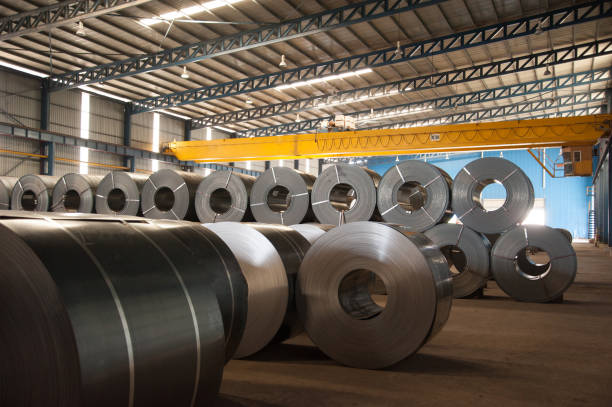
Selecting the right supplier is just as important as choosing the right material.
Evaluate Product Range and Capabilities
Start by reviewing the supplier’s offerings through their product catalog or directly on their stainless steel foil product page.
A reliable supplier should offer:
- Multiple grades
- Custom thickness options
- Precision slitting
Check Industry Experience
Suppliers with years of experience in producing Stainless Steel Foil Rolls understand the nuances of high-volume manufacturing.
Browse their blog section to assess their expertise and industry knowledge.
Quality Certifications
Look for certifications such as:
- ISO 9001
- ASTM compliance
These ensure consistent quality and traceability.
Customer Support and Communication
Strong communication is essential when ordering in bulk. You should be able to easily reach out through their contact page for technical discussions or custom requirements.
Cost Factors in Bulk Orders
When ordering Stainless Steel Foil Rolls in large quantities, several cost components come into play.
Raw Material Pricing
Stainless steel prices fluctuate based on:
- Nickel and chromium costs
- Global demand
Bulk purchasing can help secure better rates.
Processing Costs
Additional costs may include:
- Slitting
- Annealing
- Surface finishing
Custom specifications increase processing expenses.
Logistics and Shipping
Shipping costs depend on:
- Order volume
- Delivery distance
- Packaging requirements
Efficient packaging reduces damage and overall cost.
Comparison Table: 301 vs 304 Stainless Steel Foil
| Feature | 301 Stainless Steel | 304 Stainless Steel |
|---|---|---|
| Strength | High | Moderate |
| Corrosion Resistance | Moderate | High |
| Cost | Lower | Slightly higher |
| Flexibility | Excellent | Good |
| Common Applications | Springs, clips | Food, medical |
This comparison helps buyers choose the right Stainless Steel Foil Rolls based on application needs.
Ordering Process Step-by-Step
Define Your Requirements
Clearly outline:
- Grade
- Thickness
- Width
- Quantity
This minimizes back-and-forth communication.
Request Samples
Before committing to a bulk order, request samples to verify quality.
Negotiate Pricing
Discuss:
- Volume discounts
- Long-term contracts
- Payment terms
Confirm Lead Times
High-volume orders require precise scheduling. Ensure the supplier can meet your deadlines.
Place the Order
Once all details are finalized, place your order through the supplier’s official platform such as Stainless Steel Foil.
Storage and Handling After Purchase
Proper storage ensures your Stainless Steel Foil Rolls maintain their quality.
You can learn more from this guide on how to store stainless steel foil rolls properly.
Key practices include:
- Store in a dry environment
- Avoid direct contact with moisture
- Use protective packaging
Industry Trends and Insights
The global stainless steel market continues to grow. According to industry reports, demand is increasing due to:
- Expansion in electric vehicle production
- Growth in renewable energy systems
- Advancements in electronics manufacturing
This trend highlights the importance of securing a reliable supply of Stainless Steel Foil Rolls.
Summary
Ordering Stainless Steel Foil Rolls for high-volume production requires careful planning, technical knowledge, and supplier evaluation. From selecting the right grade and thickness to ensuring proper storage and logistics, every step plays a crucial role in maintaining production efficiency.
By working with trusted suppliers, leveraging bulk purchasing strategies, and understanding your application needs, you can secure high-quality Stainless Steel Foil Rolls that support consistent and cost-effective manufacturing. Get for more information visit Stainless Steel Foil and contact us.
FAQs
What industries use Stainless Steel Foil Rolls the most?
Industries such as electronics, automotive, and medical manufacturing rely heavily on Stainless Steel Foil Rolls for precision components and durability.
How do I choose the right grade of Stainless Steel Foil Rolls?
Selecting the right Stainless Steel Foil Rolls depends on your application. For strength, choose 301; for corrosion resistance, choose 304.
What thickness is best for Stainless Steel Foil Rolls?
The ideal thickness of Stainless Steel Foil Rolls varies by application, but most industrial uses fall between 0.01 mm and 0.2 mm.
Can Stainless Steel Foil Rolls be customized?
Yes, manufacturers can customize Stainless Steel Foil Rolls based on thickness, width, and surface finish to meet specific requirements.
How should Stainless Steel Foil Rolls be stored?
Proper storage of Stainless Steel Foil Rolls involves keeping them in dry conditions and using protective packaging to prevent contamination.