Stainless Steel Strip play a critical role across industries such as automotive, electronics, construction, medical equipment, home appliances, and precision engineering. Their versatility, corrosion resistance, strength, and clean finish make them essential for countless industrial applications.
Manufacturers today require stainless steel materials in highly specific dimensions. That is why understanding stainless steel strip sizes, thickness tolerances, width ranges, and custom slitting options has become increasingly important. Whether you need ultra-thin precision strip coils or wide stainless steel strip roll products for industrial fabrication, choosing the correct dimensions directly affects product quality, production efficiency, and overall cost.
According to the global stainless steel industry overview published by Wikipedia Stainless Steel Guide, stainless steel demand continues to grow due to its recyclability, durability, and low maintenance requirements. As industries evolve toward precision manufacturing, custom-sized stainless steel strips have become more valuable than ever.
This guide explains everything you need to know about stainless steel strip sizes, including width options, thickness ranges, custom slitting services, industrial applications, pricing factors, and how to choose the right supplier.
What Are Stainless Steel Strips?
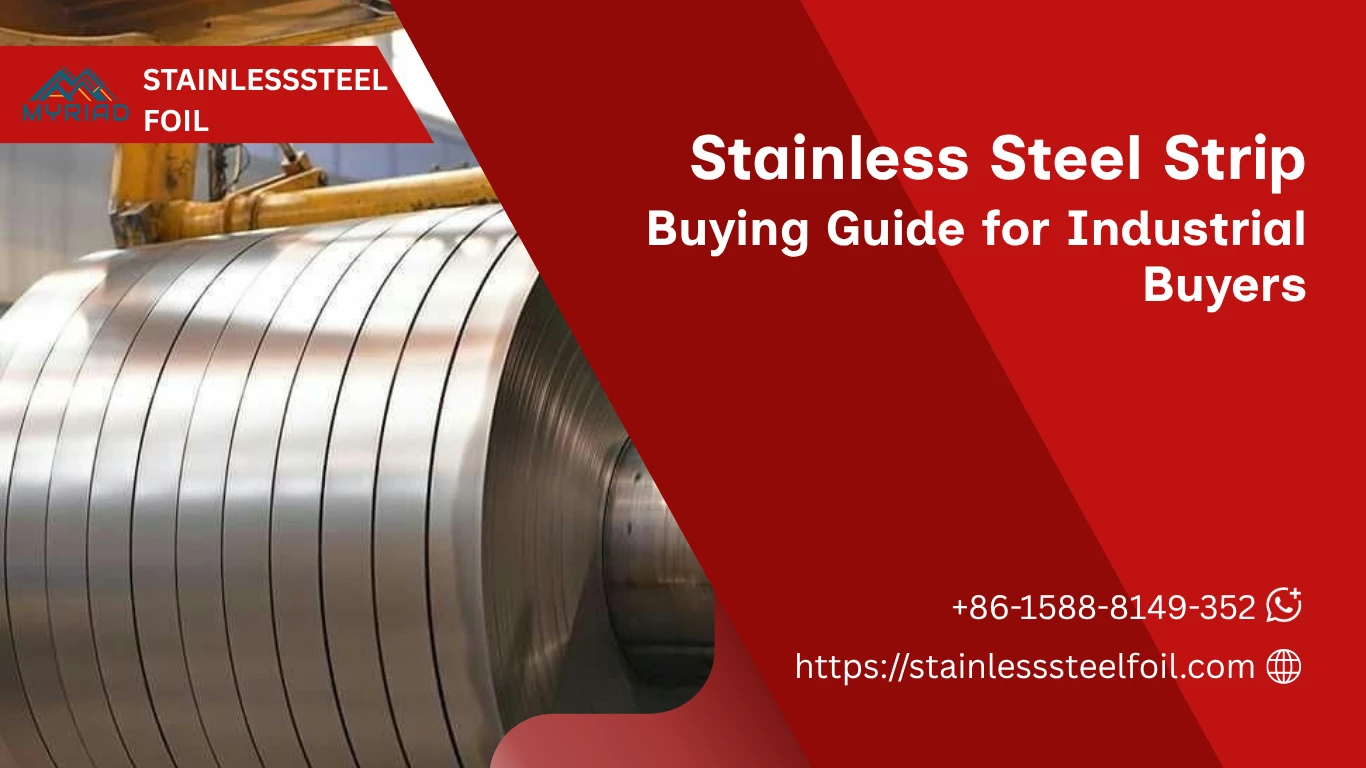
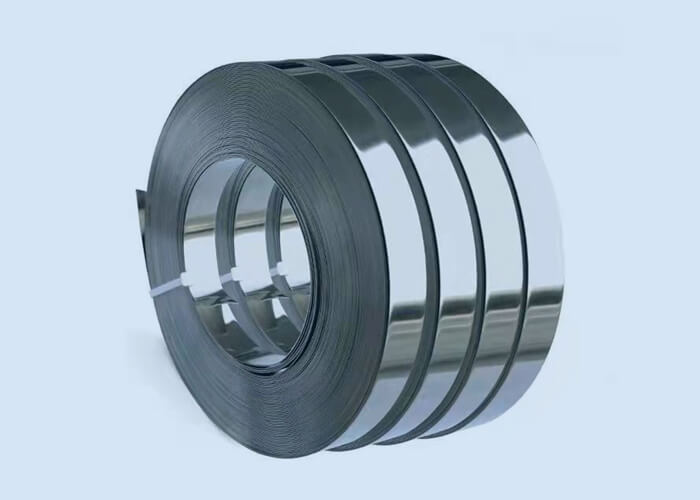
Stainless steel strips are flat-rolled stainless steel products manufactured in narrow widths and supplied in coil form. These strips are produced through cold rolling or hot rolling processes and are widely used for precision fabrication.
Typically, a stainless steel strip roll features:
- Controlled thickness tolerances
- Smooth surface finishes
- Excellent corrosion resistance
- High tensile strength
- Flexible sizing options
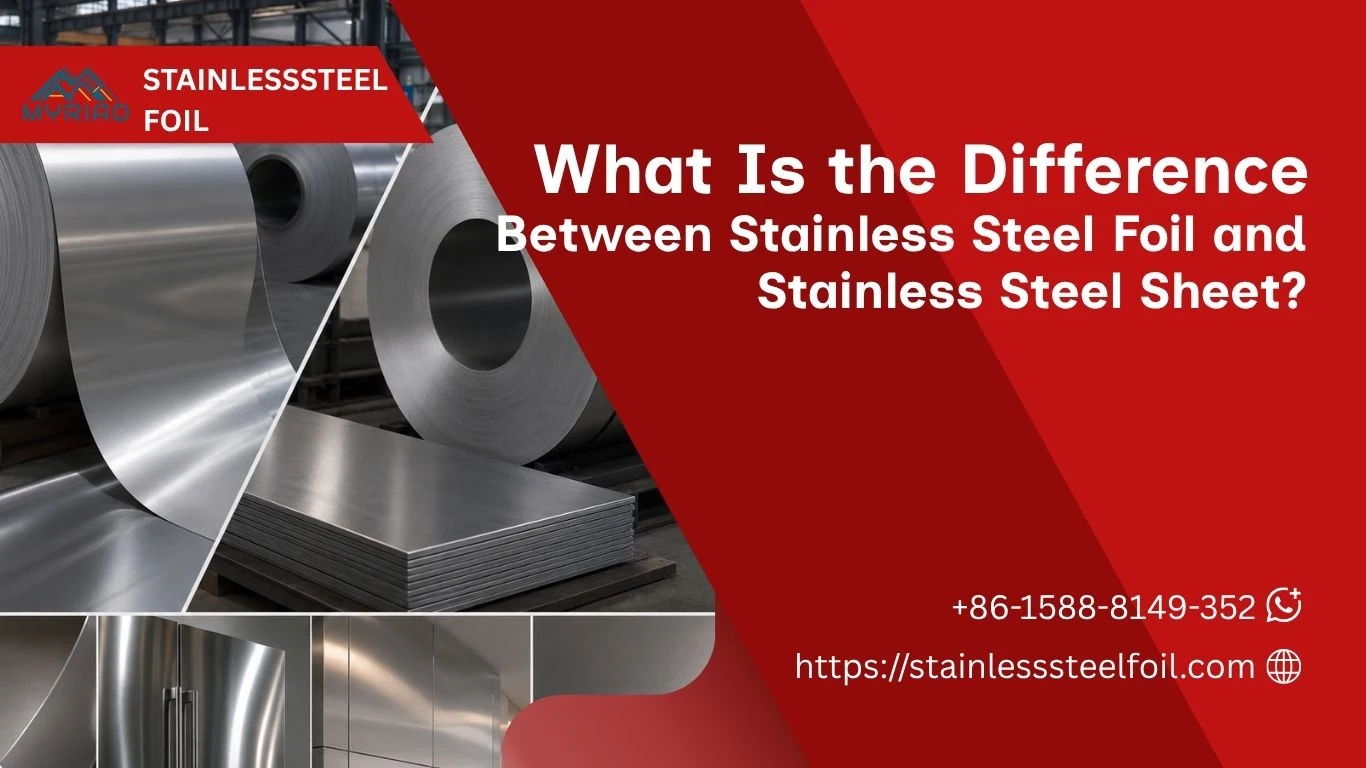
Unlike standard steel sheets, stainless steel strips are narrower and often customized through slitting operations to meet exact industrial requirements.
You can explore a full range of strip products at Stainless Steel Foil Products.
Standard Stainless Steel Strip Sizes
Width Ranges for Stainless Steel Strips
Width is one of the most important dimensions when selecting stainless steel strips. Manufacturers typically offer strips in both standard and custom slit widths.
The most common width ranges include:
| Width Range | Common Applications |
|---|---|
| 10mm – 50mm | Springs, clips, precision parts |
| 50mm – 150mm | Automotive components |
| 150mm – 300mm | Industrial fabrication |
| 300mm – 600mm | Home appliances |
| 600mm – 1000mm | Construction and panels |
Many buyers specifically search for stainless steel strips 600mm 1000mm because these widths are widely used in large-scale industrial production and fabrication projects.
For more details about industrial applications and width specifications, visit Stainless Steel Strip Grades Widths and Industrial Uses.
Stainless Steel Strip Thickness Options
Thickness significantly affects the flexibility, strength, and usability of stainless steel strips.
Typical thickness ranges include:
| Thickness | Typical Uses |
|---|---|
| 0.02mm – 0.10mm | Precision electronics |
| 0.10mm – 0.50mm | Flexible components |
| 0.50mm – 1.50mm | Automotive parts |
| 1.50mm – 3.00mm | Structural fabrication |
Ultra-thin precision strip coils are increasingly popular in battery manufacturing, medical instruments, and electronic shielding systems.
Manufacturers producing high-performance equipment often require tight tolerances because even minor thickness variations can affect final product performance.
Stainless Steel Strip Roll Production
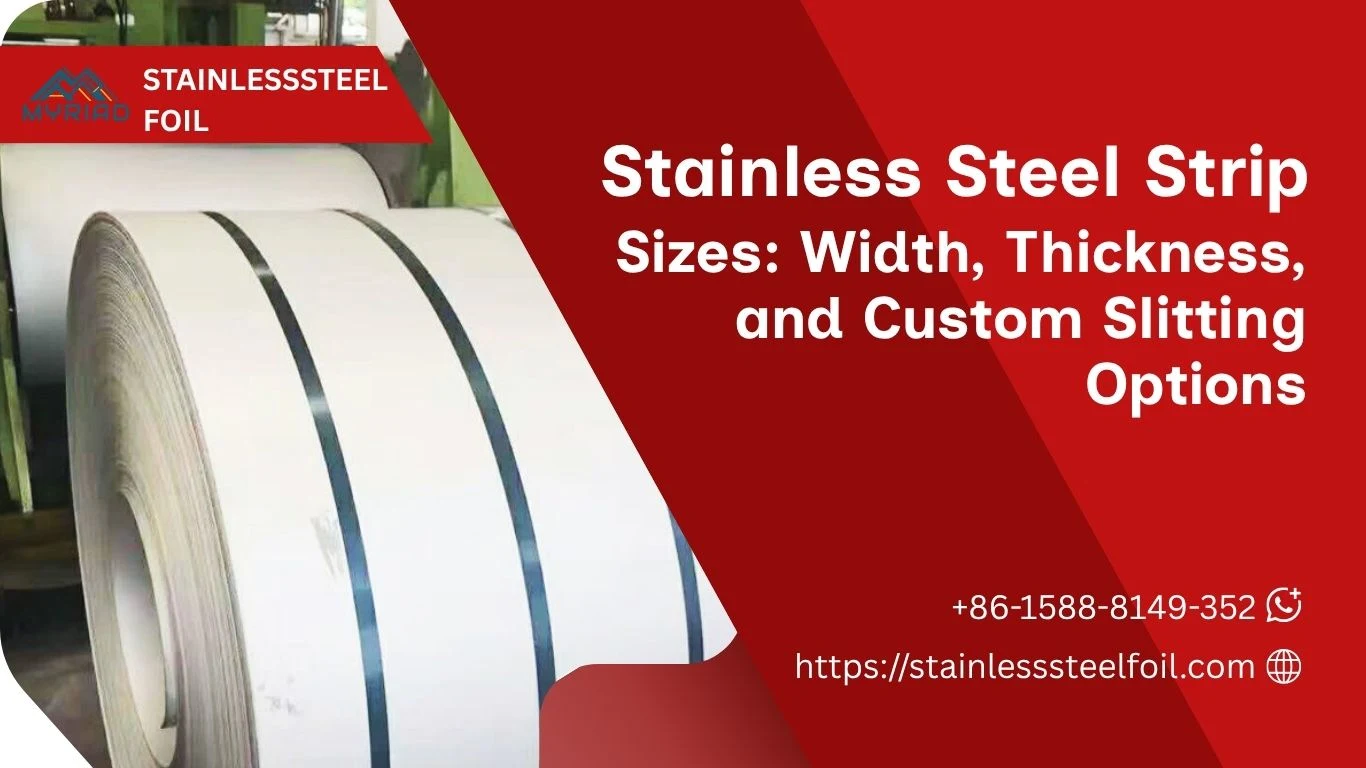
A stainless steel strip roll is produced by processing large master coils into narrower strips through slitting and precision cutting operations.
The production process usually includes:
- Hot rolling
- Cold rolling
- Annealing
- Pickling
- Precision slitting
- Surface finishing
- Coil packaging
Cold rolling improves surface smoothness and dimensional accuracy. As a result, cold-rolled stainless steel strips are commonly preferred for precision applications.
You can learn more about strip manufacturing solutions at Stainless Steel Strip Roll for Manufacturing.
Why Custom Slitting Matters
What Is Stainless Steel Slitting?
Slitting is the process of cutting wide stainless steel coils into narrower strip widths. Modern slitting lines use precision blades to ensure clean edges and accurate dimensions.
Custom slitting allows manufacturers to order stainless steel strips in exact widths instead of purchasing oversized materials and trimming them later.
This process helps reduce:
- Material waste
- Production downtime
- Additional machining costs
- Handling complexity
It also improves production efficiency and consistency.
Benefits of Custom Slitting Options
Better Material Utilization
Custom slit stainless steel strips minimize unused scrap material. This helps manufacturers reduce production costs significantly.
Faster Production
Pre-slit materials allow companies to feed strips directly into automated equipment without additional cutting.
Improved Precision
Precision slitting ensures tight tolerances for industries like electronics, aerospace, and medical manufacturing.
Enhanced Surface Protection
Modern slitting lines protect surface finishes during processing, reducing scratches and edge damage.
Popular Stainless Steel Grades for Strip Manufacturing
Different stainless steel grades offer different performance characteristics.
304 Stainless Steel Strip
304 is the most widely used stainless steel grade because it offers excellent corrosion resistance and formability.
Applications include:
- Kitchen equipment
- Appliance components
- Food processing systems
- Architectural products
316 Stainless Steel Strip
316 stainless steel contains molybdenum, which improves corrosion resistance in harsh environments.
It is commonly used in:
- Marine environments
- Chemical processing
- Medical equipment
- Pharmaceutical production
You can compare popular grades here 304 304L 316 316L Stainless Steel Strip Coil
Stainless Steel Strips in Industrial Applications
Automotive Industry
The automotive sector relies heavily on stainless steel strips for:
- Exhaust systems
- Clamps
- Sensors
- Battery connectors
- Structural reinforcements
Precision strip dimensions improve manufacturing consistency and product durability.
Read more here Stainless Steel Strip for Automotive Manufacturing
Home Appliance Manufacturing
Home appliance manufacturers use stainless steel strips because they provide:
- Heat resistance
- Corrosion protection
- Attractive appearance
- Long-term durability
Applications include refrigerators, washing machines, microwave ovens, and induction cookers.
Explore appliance applications Stainless Steel Strips in Home Appliances
Electronics and Precision Engineering
Ultra-thin stainless steel strips are widely used in electronics because they combine conductivity support with mechanical strength.
Common applications include:
- Battery tabs
- Precision springs
- Shielding components
- Connector terminals
These industries demand extremely tight thickness tolerances and flawless surface finishes.
Surface Finishes Available for Stainless Steel Strips
Surface finish selection affects appearance, corrosion resistance, and functionality.
Bright Annealed Finish
Bright annealed strips feature a reflective, smooth surface. They are commonly used in decorative and precision applications.
2B Finish
2B is one of the most common industrial finishes because it provides a smooth, uniform appearance.
Matte Finish
Matte finishes reduce glare and fingerprints, making them ideal for appliances and architectural products.
Factors That Affect Stainless Steel Strips Price
The stainless steel strips price depends on several key variables.
Raw Material Grade
Higher alloy grades like 316 usually cost more than standard 304 grades.
Thickness and Width
Thicker and wider strips require more raw material, increasing overall pricing.
Surface Finish
Specialized finishes and polished surfaces add processing costs.
Precision Tolerances
Tighter tolerances require advanced production equipment and quality control.
Custom Slitting Requirements
Custom slit widths may slightly increase production costs, especially for small-volume orders.
Global Nickel Prices
Nickel is a major alloying element in stainless steel. Market fluctuations directly affect stainless steel pricing worldwide.
How to Choose the Right Stainless Steel Strip Supplier
Finding a reliable supplier is essential for maintaining product quality and consistent production schedules.
Look for Precision Manufacturing Capabilities
A qualified supplier should offer:
- Advanced slitting lines
- Tight thickness tolerances
- Surface finishing options
- Coil edge conditioning
Verify Material Certifications
Always request mill test certificates and quality documentation.
Evaluate Industry Experience
Experienced manufacturers understand industry-specific requirements and international quality standards.
Check Customization Options
The best suppliers provide flexible dimensions, custom packaging, and specialized surface finishes.
You can explore manufacturing expertise at China Stainless Steel Strip Manufacturers
Stainless Steel Strip Size Tolerance Standards
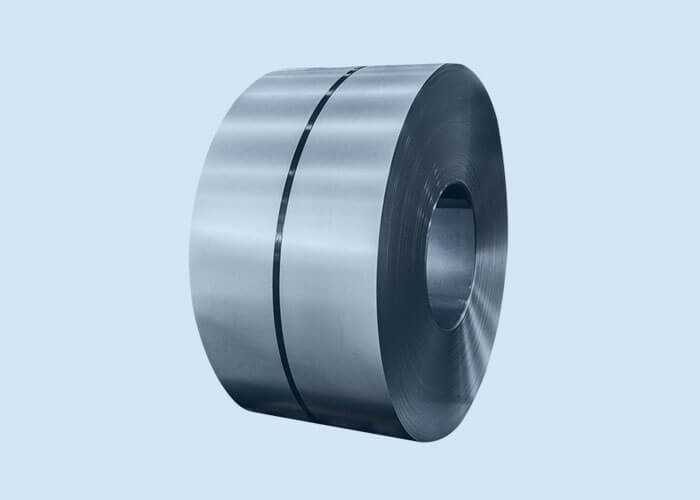
Tolerance control is essential in precision manufacturing.
Common tolerance standards include:
| Parameter | Typical Tolerance |
|---|---|
| Thickness | ±0.003mm to ±0.05mm |
| Width | ±0.10mm to ±0.50mm |
| Flatness | Industry dependent |
| Edge Burr | Minimized through precision slitting |
Precision tolerance control improves assembly accuracy and reduces material rejection rates.
Advantages of Stainless Steel Strips Over Other Materials
Corrosion Resistance
Stainless steel naturally resists rust and oxidation, making it suitable for humid and harsh environments.
Long Service Life
Compared with carbon steel, stainless steel strips last significantly longer with minimal maintenance.
Recyclability
Stainless steel is fully recyclable, supporting environmentally responsible manufacturing.
High Strength-to-Weight Ratio
Manufacturers can reduce overall component weight while maintaining structural performance.
Emerging Trends in Stainless Steel Strip Manufacturing
The stainless steel industry continues to evolve with new technologies and manufacturing techniques.
Ultra-Thin Precision Strips
Demand for ultra-thin stainless steel strips is rising rapidly in battery manufacturing and electronics.
Smart Manufacturing
Modern factories use automated inspection systems to improve consistency and reduce defects.
Sustainable Production
Manufacturers increasingly focus on recycled raw materials and energy-efficient processing methods.
Custom Coil Solutions
Customers now expect highly customized strip dimensions with shorter lead times and flexible order quantities.
Stay updated with industry insights at Stainless Steel Foil Blog
How to Buy Stainless Steel Strips Efficiently
If you plan to buy stainless steel strips, following a structured purchasing process helps reduce mistakes and unnecessary costs.
Define Your Technical Requirements
Specify:
- Grade
- Thickness
- Width
- Surface finish
- Coil weight
- Edge condition
Confirm Tolerances
Precision industries require detailed tolerance specifications before production begins.
Request Samples
Material samples help verify finish quality and dimensional accuracy.
Compare Supplier Capabilities
Avoid selecting suppliers based only on low pricing. Reliable quality and consistent delivery matter more for long-term success.
For direct inquiries and quotations, visit Contact Stainless Steel Foil.
Summary
Choosing the correct stainless steel strips requires careful consideration of width, thickness, tolerances, material grades, and custom slitting capabilities. Modern industries depend on precision strip products for efficient manufacturing, reliable performance, and long-term durability.
Whether you need ultra-thin precision coils, standard strip dimensions, or custom slit materials, working with an experienced supplier ensures consistent quality and cost-effective production. As demand for precision manufacturing continues to grow, stainless steel strip solutions will remain essential across countless industries worldwide.
For more product information and custom manufacturing solutions, visit Stainless Steel Foil Official Website.
FAQs
Q: What are stainless steel strips used for?
A: Stainless steel strips are used in automotive parts, home appliances, electronics, medical equipment, construction, and industrial manufacturing because they offer strength, corrosion resistance, and flexibility.
Q: What is the standard width of stainless steel strips?
A: Standard widths for stainless steel strips typically range from 10mm to 1000mm. However, manufacturers can provide custom slit widths based on specific project requirements.
Q: How are stainless steel strip rolls manufactured?
A: A stainless steel strip roll is manufactured through rolling, annealing, slitting, and finishing processes that improve dimensional accuracy and surface quality.
Q: What affects stainless steel strips price?
A: The stainless steel strips price depends on material grade, thickness, width, finish, tolerance requirements, and global alloy market conditions.
Q: Can I buy custom-sized stainless steel strips?
A: Yes. Many manufacturers allow customers to buy stainless steel strips with custom widths, thicknesses, surface finishes, and coil sizes.
Q: Which grade is best for stainless steel strips?
A: 304 stainless steel is ideal for general applications, while 316 stainless steel works better in marine and chemical environments where higher corrosion resistance is required.