In today’s competitive manufacturing landscape, material selection can make or break a product’s performance, durability, and profitability. Among the many metal options available, 301 stainless steel foil has emerged as a preferred choice for engineers, fabricators, and procurement teams across multiple industries. Known for its unique balance of strength, flexibility, and corrosion resistance, this material continues to gain traction in sectors ranging from electronics to automotive manufacturing.
This blog explores why 301 stainless steel foil deserves a place in your supply chain, how it compares to other stainless steel grades, and what businesses should look for when sourcing it.
What Is 301 Stainless Steel Foil?
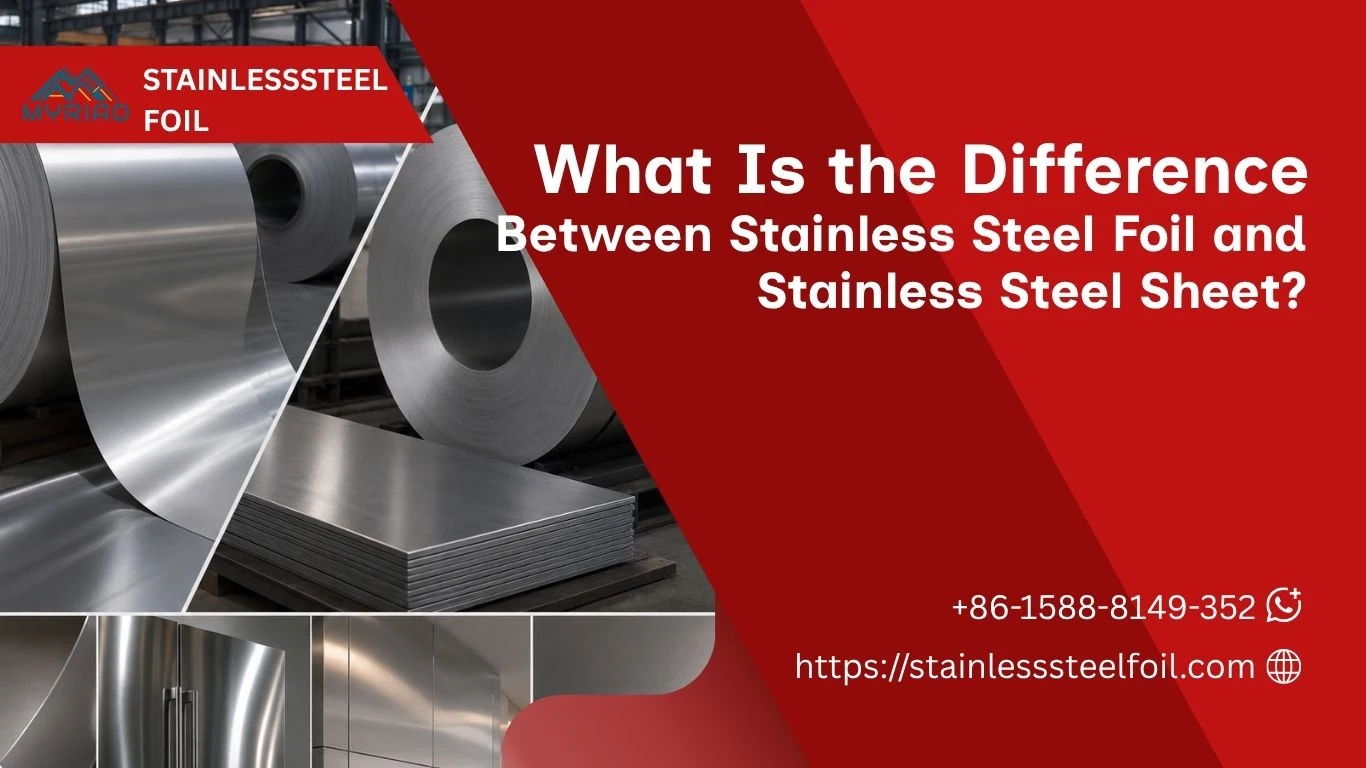
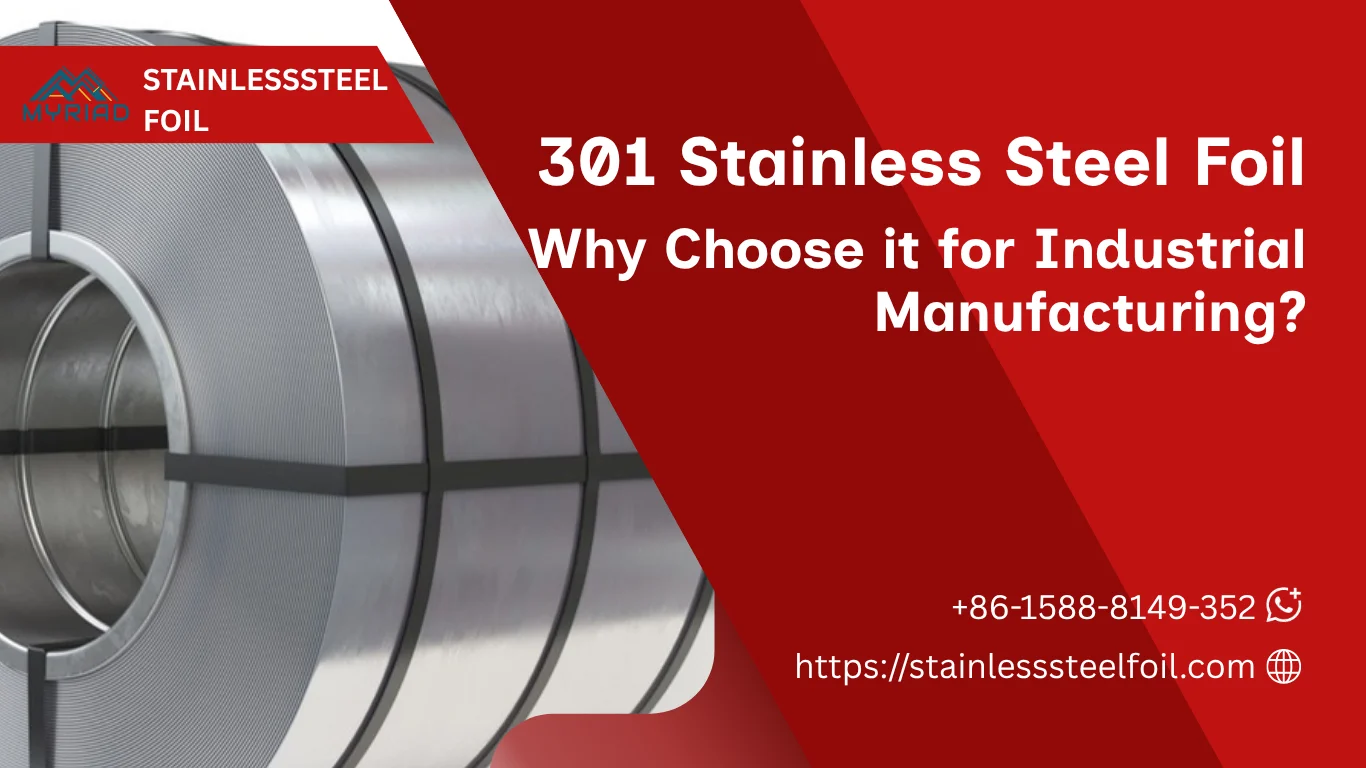
301 stainless steel foil is a cold-worked, austenitic stainless steel known for its excellent combination of high tensile strength, good ductility, and impressive corrosion resistance. Unlike thicker stainless steel sheets, foil-grade material is rolled down to extremely thin gauges — often less than 0.1mm — making it ideal for applications where weight, flexibility, and precision matter most.
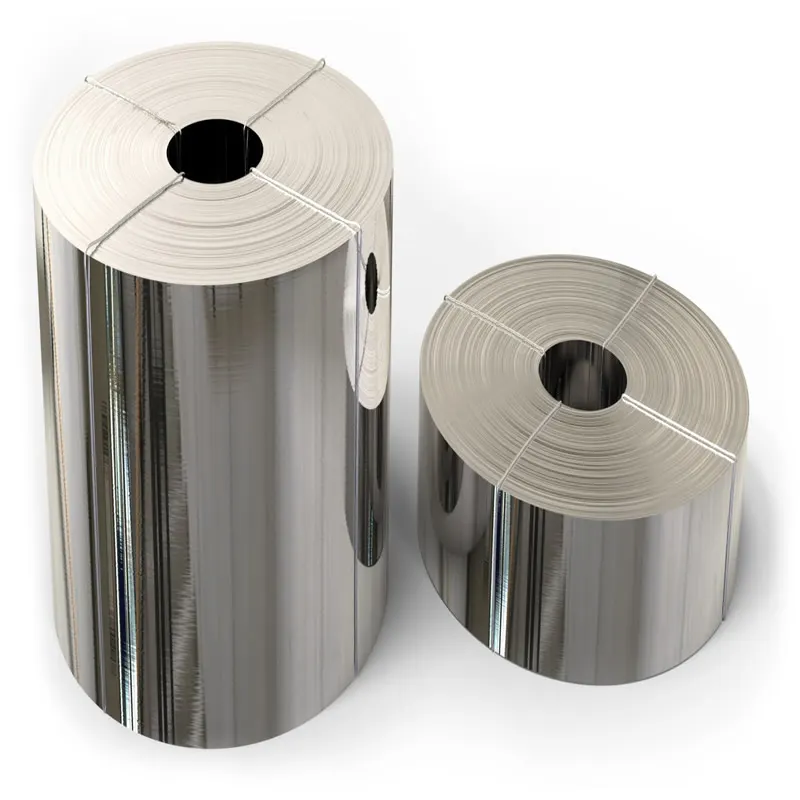
Manufacturers prize 301 stainless steel foil because it work-hardens significantly during cold rolling, which means it becomes stronger and more resilient as it’s processed. This characteristic makes cold rolled 301 stainless steel foil particularly valuable for springs, clips, fasteners, and other components that need to retain shape under repeated stress.
Key Properties That Make 301 Stainless Steel Foil Stand Out
High Strength-to-Weight Ratio
One of the biggest reasons businesses choose 301 stainless steel foil is its exceptional strength relative to its thickness. Even at ultra-thin gauges, this material maintains structural integrity, allowing manufacturers to reduce overall product weight without sacrificing performance. This is especially critical in industries like aerospace and electronics, where every gram counts.
Excellent Formability
301 stainless steel foil responds well to bending, stamping, and deep drawing processes. Its ductility allows manufacturers to shape it into complex geometries without cracking or excessive thinning, making it a go-to material for precision components.
Corrosion and Heat Resistance
Like other austenitic stainless steels, 301 stainless steel foil offers solid resistance to oxidation, moisture, and many industrial chemicals. While it’s not as corrosion-resistant as 304 or 316 grades, it strikes a practical balance between performance and cost — often making it the best stainless steel foil grade for applications that don’t require extreme chemical resistance but do demand mechanical toughness.
Work-Hardening Capability
A defining trait of 301 stainless steel is how it strengthens through cold working. This property is why cold rolled 301 stainless steel foil is so widely used in spring contacts, battery components, and flexible connectors — applications where repeated flexing without fatigue failure is essential.
Why Ultra-Thin 301 Stainless Steel Foil Is in High Demand
As industries push toward miniaturization and lightweight design, demand for ultra-thin 301 stainless steel foil has grown substantially. Here’s why:
- Electronics manufacturing: Foil-thin stainless steel is used in EMI/RFI shielding, battery casings, and flexible circuit components, where space constraints are tight and conductivity combined with mechanical protection is essential.
- Automotive components: Gaskets, seals, and heat shields benefit from foil-grade stainless steel that can withstand vibration and thermal cycling while remaining lightweight.
- Medical devices: Surgical instruments, implant components, and diagnostic equipment often require thin, biocompatible, corrosion-resistant materials — and 301 stainless steel foil fits the bill.
- Aerospace applications: Reduced weight without compromising strength is a constant goal, and ultra-thin foil grades support this objective in structural and non-structural parts alike.
Businesses operating in these sectors increasingly look for foil suppliers who can deliver tight thickness tolerances, consistent surface finishes, and reliable mechanical properties batch after batch.
301 Stainless Steel Foil vs. Other Stainless Grades
It’s worth understanding how 301 stainless steel foil stacks up against more commonly known grades like 304 and 316:
| Property | 301 Stainless Steel Foil | 304 Stainless Steel | 316 Stainless Steel |
|---|---|---|---|
| Strength after cold working | Very High | Moderate | Moderate |
| Corrosion resistance | Good | Very Good | Excellent |
| Cost | Lower | Moderate | Higher |
| Formability | Excellent | Good | Good |
| Best for | Springs, flexible parts, electronics | General-purpose fabrication | Marine, chemical exposure |
For businesses that need high mechanical performance in thin sections without paying a premium for corrosion resistance they don’t need, 301 often represents the smarter investment, solidifying its reputation as one of the best stainless steel foil grade options for cost-conscious yet performance-driven manufacturing.
Common Industrial Applications
The versatility of 301 stainless steel foil makes it suitable across a wide range of manufacturing use cases:
- Spring contacts and connectors – Used extensively in electronics for their ability to maintain consistent tension over thousands of flex cycles.
- Battery components – Found in lithium-ion battery casings and connectors due to its strength and lightweight properties.
- Gaskets and seals – Provide reliable sealing performance in automotive and industrial equipment.
- Decorative and architectural trim – Its polish-friendly surface makes it a popular choice for aesthetic applications.
- Filtration and mesh products – Thin gauge foil can be woven or perforated for filtration systems requiring durability and corrosion resistance.
- Flexible heating elements – Used in heating tape and thermal management products due to consistent thickness and conductivity.
Understanding Stainless Steel Strip Coil Supply
For manufacturers, sourcing material isn’t just about the grade — it’s also about format and supply consistency. Most industrial buyers don’t purchase 301 stainless steel foil in individual sheets; instead, they rely on stainless steel strip coil formats that integrate seamlessly into automated production lines.
Coil-form supply offers several advantages:
- Continuous processing: Coils allow for uninterrupted stamping, slitting, or rolling operations, reducing downtime.
- Custom widths and thicknesses: Reputable suppliers can slit stainless steel strip coil to precise specifications, minimizing material waste.
- Better inventory management: Coils are easier to store, track, and allocate across multiple production runs compared to individual sheets.
- Cost efficiency at scale: Bulk coil purchasing typically reduces per-unit costs for high-volume manufacturers.
When evaluating a stainless steel strip coil supplier, businesses should confirm the supplier’s ability to maintain tight tolerances, consistent temper, and surface quality across the entire coil length — not just at the beginning.
What to Look for in a 301 Stainless Steel Foil Supplier
Choosing the right supplier is just as important as choosing the right grade. Here are key factors businesses should evaluate:
Manufacturing Capabilities
A reliable supplier should offer cold rolling, precision slitting, and annealing options to meet varying customer specifications. Ask about minimum achievable thickness and tolerance ranges, especially if your application requires ultra-thin gauges.
Quality Certifications
Look for suppliers that comply with international standards, such as ASTM A666 or equivalent specifications, for cold-rolled stainless steel strip. Certifications demonstrate a commitment to consistent quality and traceability.
Customization Options
Whether you need specific widths, temper, or surface finishes, a good supplier should be flexible enough to accommodate custom orders without significant lead-time penalties.
Consistent Supply Chain
For manufacturers running continuous production lines, supply chain reliability is non-negotiable. Evaluate a supplier’s production capacity, lead times, and track record for on-time delivery.
Technical Support
The best suppliers don’t just sell material — they provide engineering support to help you select the right thickness, temper, and finish for your specific application, reducing trial-and-error costs on your end.
Competitive, Transparent Pricing
Raw material costs fluctuate, so transparent pricing structures and clear communication about market conditions help businesses plan budgets more accurately.
Industries That Benefit Most from 301 Stainless Steel Foil
While the applications are broad, certain industries consistently rely on this material as a core input:
- Consumer electronics manufacturers seeking lightweight, durable shielding and connector components.
- Automotive parts producers needing heat-resistant, flexible components for under-hood applications.
- Medical device companies requiring precision-formed, corrosion-resistant parts.
- Aerospace suppliers focused on weight reduction without compromising structural performance.
- Industrial equipment manufacturers producing gaskets, seals, and flexible connectors.
- Battery and energy storage producers integrating foil-grade stainless steel into casings and conductive components.
If your business operates in any of these spaces, building a relationship with a dependable foil supplier should be a strategic priority — not just a procurement formality.
Final Summary
Choosing the right material directly affects manufacturing quality, operational efficiency, and long-term profitability. 301 Stainless Steel Foil stands out as an excellent solution for businesses seeking a combination of high strength, corrosion resistance, flexibility, and cost-effectiveness.
Whether you require ultra-thin 301 stainless steel foil for electronic components, cold rolled 301 stainless steel foil for precision stamping, or complementary stainless steel strip coil products for broader manufacturing needs, this versatile material delivers dependable performance across a wide range of industries.
Partnering with a trusted 301 stainless steel foil supplier ensures consistent quality, reliable delivery, and technical expertise that supports your production goals.
FAQs
What is 301 Stainless Steel Foil?
301 Stainless Steel Foil is a thin, high-strength austenitic material known for its excellent corrosion resistance, work-hardening capability, and flexibility. It is widely used in industries such as automotive, electronics, aerospace, and medical manufacturing for precision components.
Why is 301 Stainless Steel Foil preferred for industrial manufacturing?
It is preferred because it offers an excellent combination of high tensile strength, good corrosion resistance, superior formability, and cost-effectiveness. It performs well in demanding industrial applications that require durable and lightweight materials.
What thicknesses are available for 301 Stainless Steel Foil?
It is available in a wide range of thicknesses, from ultra-thin foil for electronic components to thicker foil for industrial applications. Custom thicknesses can also be produced to meet specific project requirements.