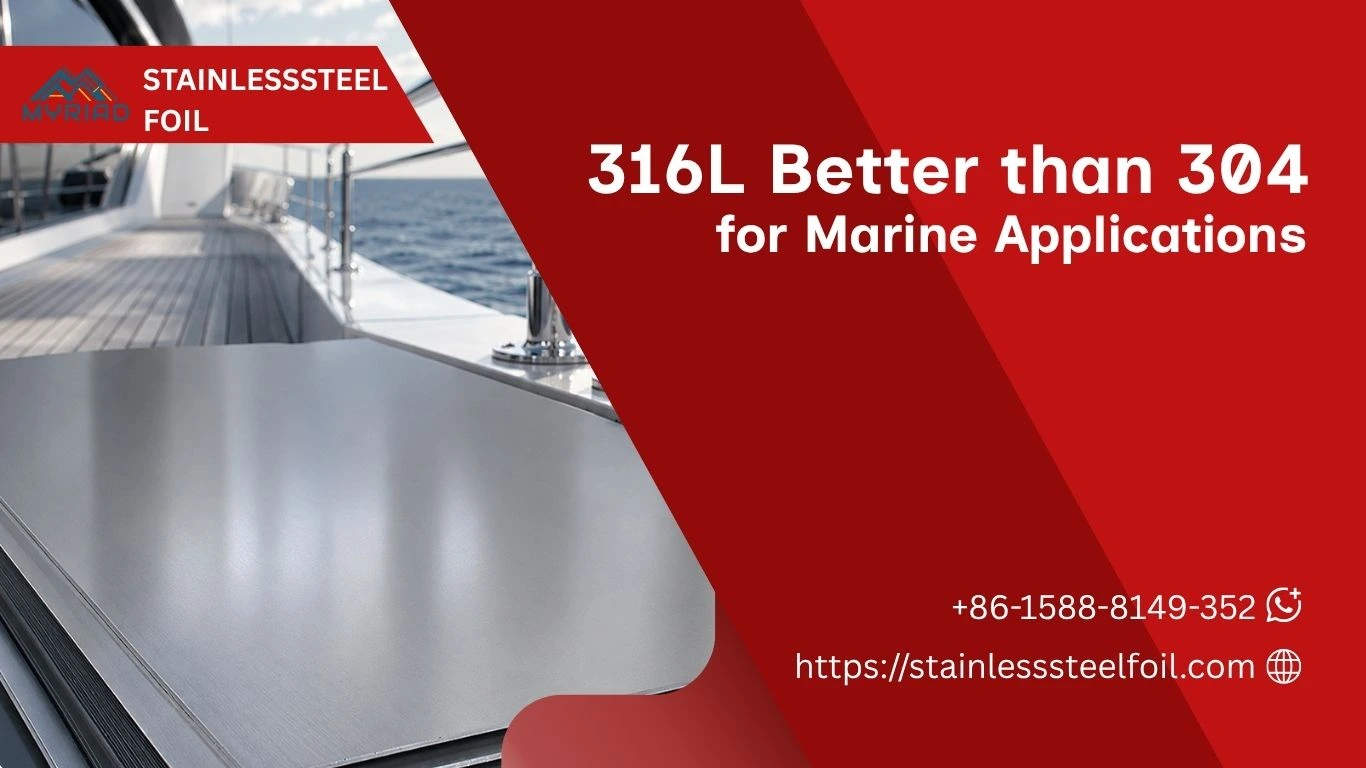
Choosing the right stainless steel grade can make a significant difference in marine environments. Saltwater, humidity, temperature fluctuations, and constant exposure to corrosive elements create some of the harshest operating conditions for metal components. As a result, engineers, boat builders, marine equipment manufacturers, and industrial buyers often ask the same question: Is 316L better than 304 for marine applications?
The short answer is yes. In most marine environments, 316L for marine applications is considered superior because it offers better corrosion resistance, especially against chlorides found in seawater. However, understanding why this difference matters requires a closer look at the composition, performance, cost, and long-term durability of both stainless steel grades.
This guide explores the key differences between 304 and 316L stainless steel, explains where each grade performs best, and helps you determine whether the additional investment in 316L is worthwhile for your project.
Stainless Steel in Marine Environments
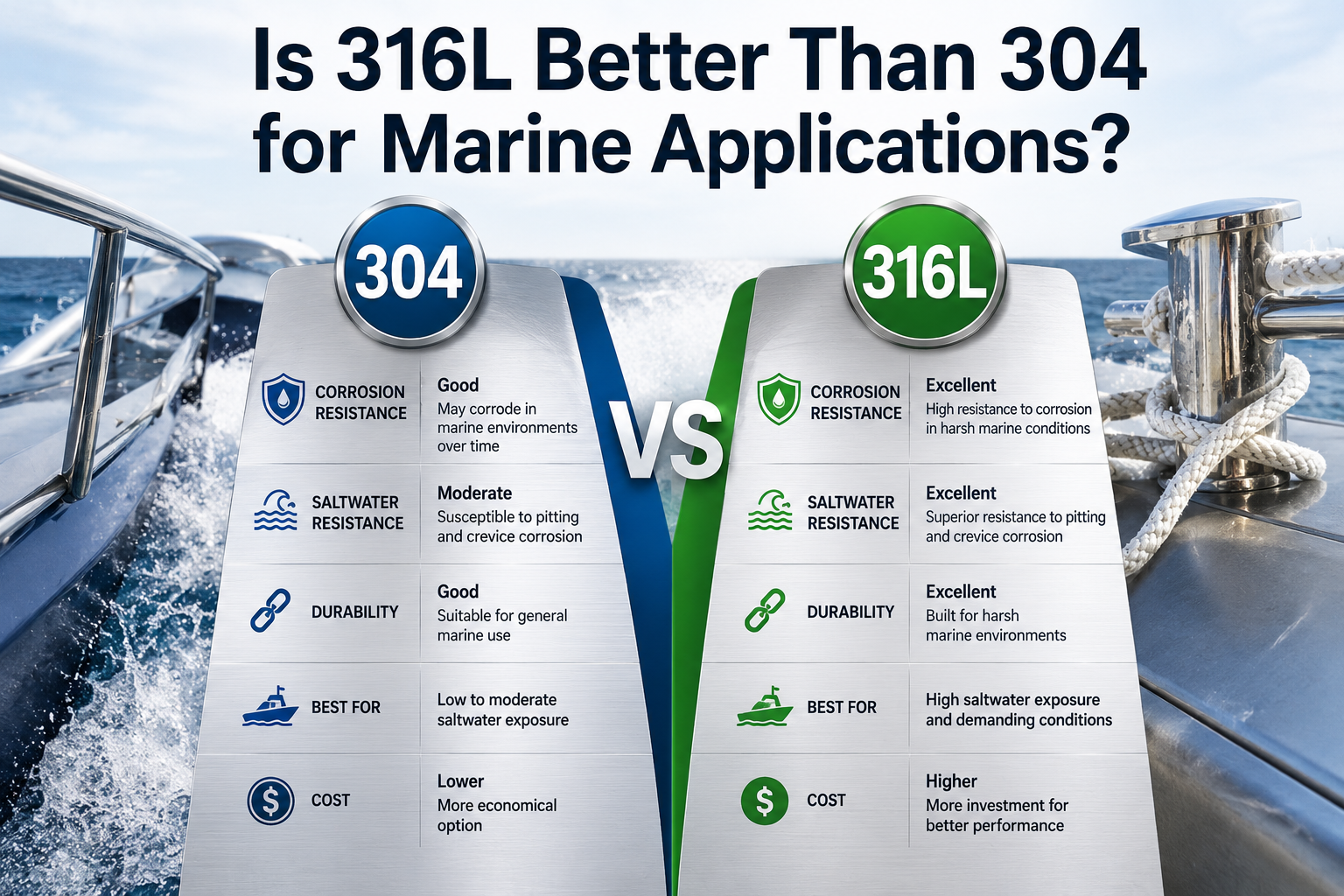
Marine conditions are uniquely challenging. Saltwater contains high concentrations of chloride ions that aggressively attack many metals. Even stainless steel can suffer corrosion if the wrong grade is selected.
According to information available from the stainless steel overview on Wikipedia wiki Stainless_steel, stainless steel gains its corrosion resistance from chromium, which forms a protective oxide layer on the surface. However, not all stainless steel grades provide the same level of protection.
When exposed to seawater, lower-grade materials may develop pitting corrosion, crevice corrosion, and surface staining. Over time, these issues can weaken components and increase maintenance costs.
This is why selecting the correct alloy is crucial when designing marine equipment, offshore structures, coastal installations, or vessels operating in saltwater environments.
What Is 304 Stainless Steel?
304 stainless steel is the most widely used stainless steel grade worldwide. It contains approximately 18% chromium and 8% nickel. This composition provides excellent corrosion resistance, good strength, and attractive surface finishes. Because of its versatility, manufacturers use 304 stainless steel in food processing equipment, architectural applications, kitchen appliances, automotive components, and industrial machinery.
Many industries prefer 304 because it offers an excellent balance between performance and cost. However, marine environments present a unique challenge that often exceeds the capabilities of standard 304 stainless steel.
What Is 316L Stainless Steel?
316L stainless steel belongs to the austenitic stainless steel family, just like 304. However, it contains an important additional element: molybdenum.
Typically, 316L includes:
| Element | Approximate Content |
|---|---|
| Chromium | 16–18% |
| Nickel | 10–14% |
| Molybdenum | 2–3% |
| Carbon | Low (L Grade) |
The addition of molybdenum significantly improves resistance to chloride-induced corrosion. The “L” designation refers to low carbon content. Lower carbon levels reduce carbide precipitation during welding and improve corrosion resistance in welded structures.
For industries that require exceptional durability in harsh environments, 316L for marine applications has become the preferred material. Readers interested in marine-grade stainless steel foil can explore detailed specifications at 316 stainless steel foil for marine and chemical use
Why 316L for Marine Applications Performs Better
The primary reason engineers choose 316L for marine applications is corrosion resistance. Saltwater continuously attacks exposed metal surfaces. Chlorides penetrate protective oxide layers and create localized corrosion.
304 stainless steel can resist moisture and mild atmospheric exposure. However, prolonged exposure to seawater often results in pitting.
316L responds differently. The molybdenum content strengthens the protective passive layer and dramatically reduces susceptibility to chloride attack.
As a result, marine structures made from 316L often maintain their appearance and structural integrity much longer than comparable 304 components.
This advantage becomes particularly valuable in coastal regions where airborne salt exposure remains constant even without direct seawater contact.
304 vs 316L: Key Performance Comparison
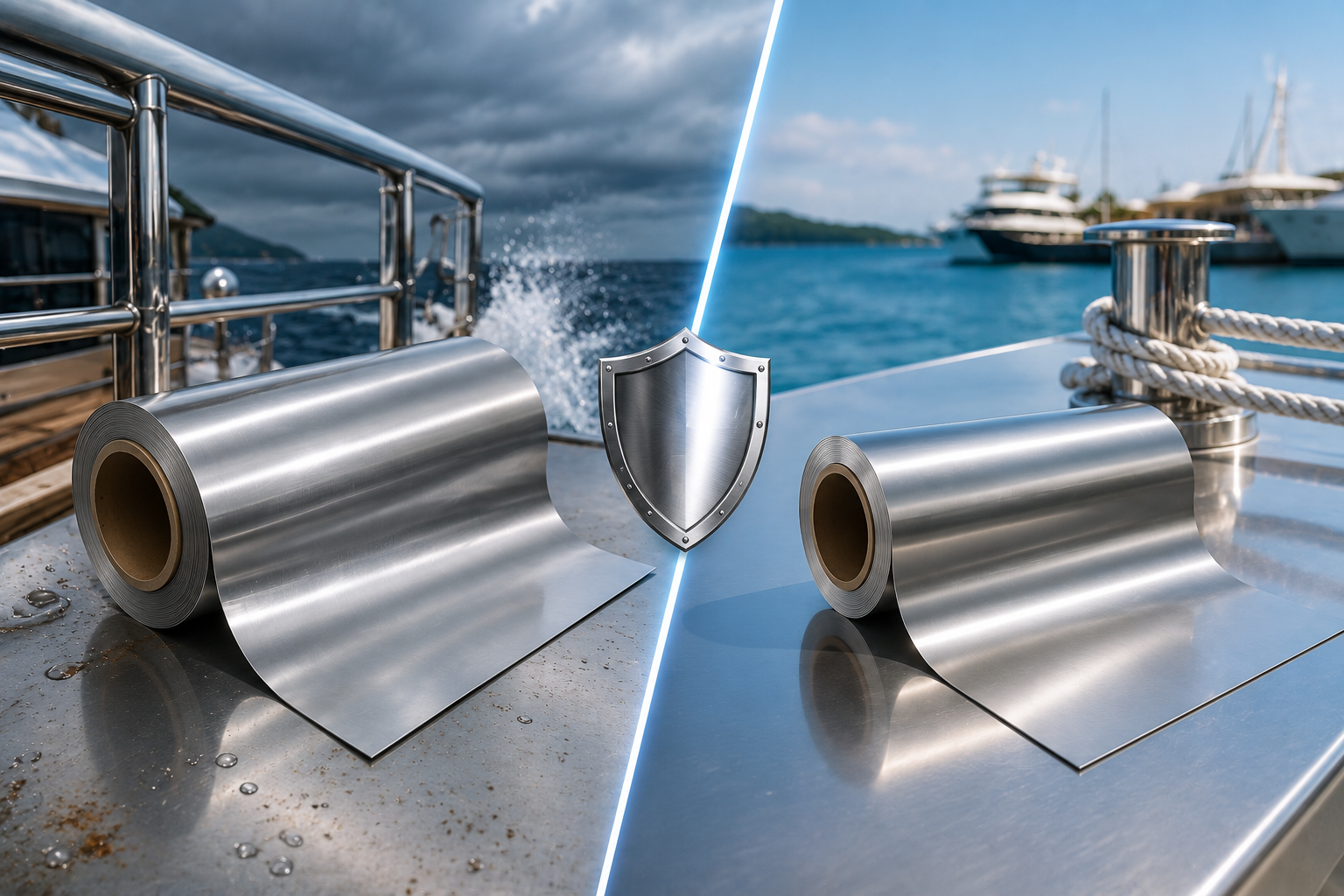
| Property | 304 Stainless Steel | 316L Stainless Steel |
|---|---|---|
| Corrosion Resistance | Very Good | Excellent |
| Saltwater Resistance | Moderate | Superior |
| Pitting Resistance | Moderate | Excellent |
| Weldability | Excellent | Excellent |
| Cost | Lower | Higher |
| Service Life in Marine Conditions | Good | Outstanding |
| Chloride Resistance | Limited | High |
| Offshore Suitability | Limited | Excellent |
Although both grades perform well in many industrial environments, the gap widens significantly when chlorides become a major factor.
The Science Behind Marine Corrosion Resistance
Understanding the science helps explain why 316L for marine applications is widely recommended. When stainless steel contacts oxygen, chromium forms a thin passive film. This invisible layer protects the metal underneath.
In marine environments, chloride ions attack weak points within this protective layer. If the film breaks down, corrosion begins. Molybdenum helps reinforce the passive film and promotes rapid self-repair when damage occurs. This added protection explains why 316L withstands marine conditions more effectively than 304.
For applications exposed to seawater twenty-four hours a day, this difference can significantly impact maintenance schedules and replacement costs.
Marine Applications for 316L Stainless Steel
Marine industries rely heavily on 316L because of its proven durability. Boat manufacturers frequently use 316L for railings, ladders, cleats, and deck hardware. Offshore oil and gas operators specify it for equipment exposed to salt spray and harsh weather. Coastal construction projects also benefit from its enhanced corrosion resistance.
In addition, marine-grade stainless steel foil has become increasingly important in specialized industrial applications. A detailed comparison between standard 316 and low-carbon 316L can be found here 316 vs 316l stainless steel foil comparison
Does 304 Ever Make Sense for Marine Use?
Although 316L is generally preferred, 304 is not completely unsuitable. Projects located inland or in environments with only occasional salt exposure may perform adequately with 304 stainless steel.
For example, interior boat components protected from seawater may not require the higher corrosion resistance of 316L. Budget constraints also influence material selection.
When corrosion risk remains low, 304 can offer substantial cost savings. However, components that are difficult to replace or maintain usually justify the additional investment in 316L.
Cost vs Long-Term Value
One reason buyers hesitate to choose 316L for marine applications is price. Depending on market conditions, 316L may cost 20% to 40% more than 304.
At first glance, this seems significant. However, material cost represents only part of the total ownership cost. Maintenance, repairs, downtime, replacement labor, and operational disruptions often exceed initial material expenses. When viewed over a ten-year or twenty-year service life, 316L frequently becomes the more economical option.
This is particularly true in offshore facilities and marine transportation systems where maintenance access is expensive.
The Role of 316L Stainless Steel Foil in Marine Industries
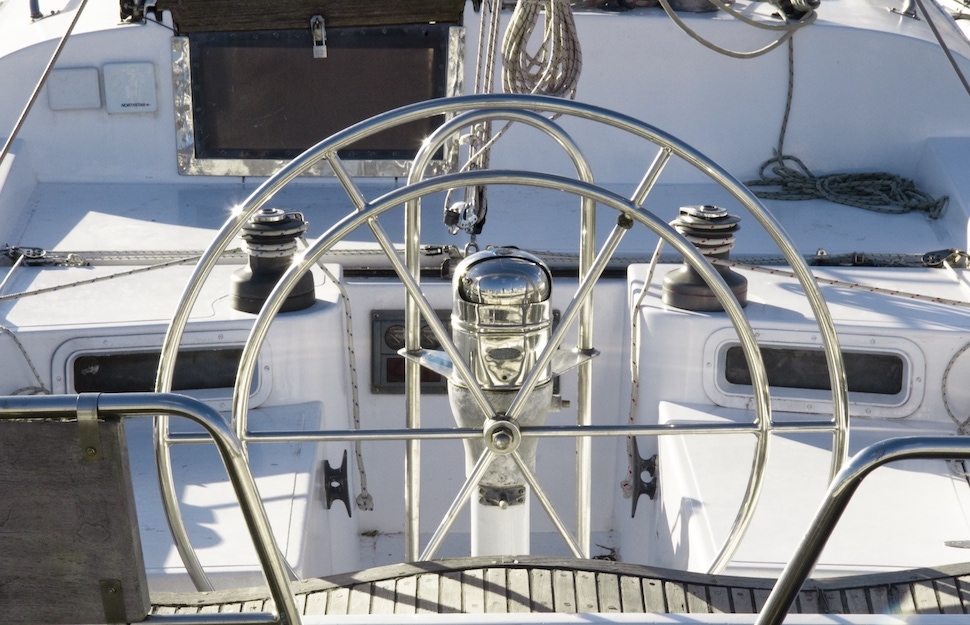
Marine applications increasingly require thin, flexible, corrosion-resistant materials. This demand has increased interest in stainless steel foil products.
High-quality foil provides excellent performance in shielding systems, insulation barriers, specialized equipment, and precision-engineered components.
Manufacturers seeking product options can review available stainless steel foil specifications at products stainless steel foil. Additional information regarding foil thickness selection is available here thin stainless steel foil thickness applications
Welding Advantages of 316L
The low-carbon composition of 316L provides another important advantage. During welding, excessive carbon can form chromium carbides.
These carbides reduce corrosion resistance near weld joints. Because 316L contains lower carbon levels, it minimizes this issue and maintains stronger corrosion protection after fabrication.
This characteristic makes 316L for marine applications especially valuable in shipbuilding, offshore construction, and marine infrastructure projects where extensive welding is required.
Industry Trends Driving Demand for 316L
Global marine industries continue to invest in longer-lasting materials. Rising maintenance costs and stricter performance requirements encourage engineers to select higher-performance alloys.
As offshore renewable energy projects expand, demand for corrosion-resistant materials continues to increase. Wind farms, tidal energy systems, desalination plants, and marine transportation networks all rely on materials capable of surviving aggressive coastal environments. Industry professionals can explore additional technical content through the educational resources available at youtube@MyriadStainlessSteel2014 More stainless steel industry information is also available through stainless steel foil blog
How to Choose the Right Supplier
Selecting the correct material grade is only part of the process. Quality varies significantly between suppliers. Reliable manufacturers provide material certifications, dimensional consistency, technical support, and traceability documentation. A trusted supplier can help determine whether 304 or 316L for marine applications best fits your operational requirements.
For technical assistance and product inquiries, manufacturers can contact experts at stainless steel foil. You can also learn more about available stainless steel foil products at stainless steel foil
Summary
When comparing marine-grade stainless steels, 316L for marine applications clearly outperforms 304 in environments exposed to saltwater and chlorides. Its molybdenum-enhanced composition provides superior corrosion resistance, improved durability, and longer service life. Although it costs more initially, 316L often delivers greater value through reduced maintenance and replacement expenses, making it the preferred choice for demanding marine conditions. Get For more information about stainless steel foil products, technical specifications, and custom manufacturing solutions, visit stainless steel foil and Contact Us to discuss your specific requirements with our team.
FAQs
Q: Is 316L better than 304 for marine applications?
A: Yes. 316L for marine applications offers significantly better resistance to saltwater corrosion and chloride attack than 304 stainless steel.
Q: Why is 316L preferred near the ocean?
A: The molybdenum content in 316L for marine applications improves corrosion resistance in coastal and offshore environments.
Q: Does 304 stainless steel rust in seawater?
A: While 304 resists many forms of corrosion, prolonged seawater exposure can eventually damage the protective layer and lead to pitting.
Q: Is 316L worth the additional cost?
A: In most marine environments, 316L for marine applications provides longer service life and lower maintenance costs, making it a cost-effective investment.
Q: Can 316L be welded easily?
A: Yes. The low-carbon composition of 316L for marine applications improves weldability and helps maintain corrosion resistance around welded joints.
Q: What industries commonly use 316L?
A: Shipbuilding, offshore energy, marine transportation, coastal construction, and desalination facilities frequently use 316L for marine applications because of its superior durability.