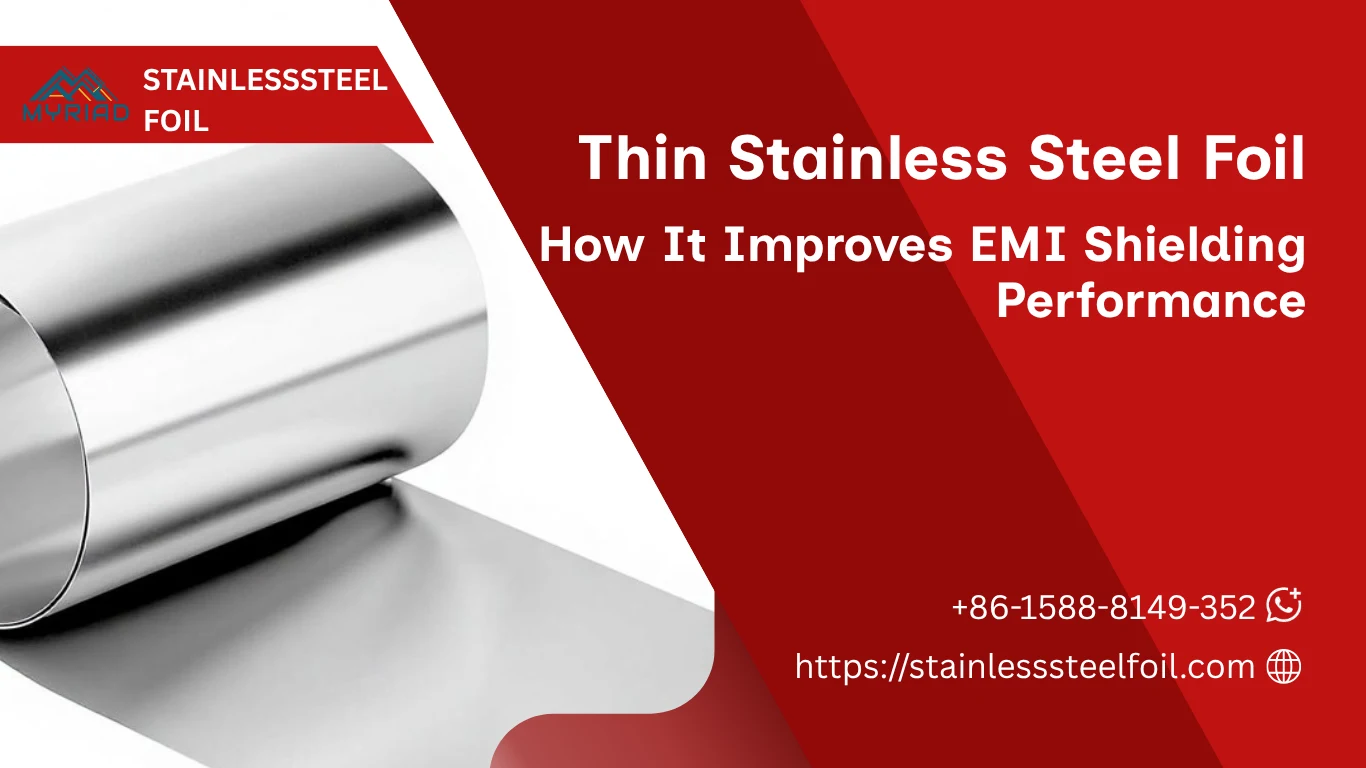
Electromagnetic interference (EMI) is one of the most persistent challenges facing electronics manufacturers today. As devices shrink in size while packing in more processing power, the risk of signal interference, data corruption, and regulatory non-compliance grows significantly. This is where Thin Stainless Steel Foil has become a critical choice for engineers and product designers seeking to build reliable, compact, high-performing shielding solutions.
In this blog, we’ll explore why Thin Stainless Steel Foil is so effective at blocking electromagnetic interference, how different grades like 301 Stainless Steel Foil and 316L Stainless Steel Foil serve different applications, and what to look for when choosing a Thin Stainless Steel Foil Supplier for your next project.
What Makes Thin Stainless Steel Foil Ideal for EMI Shielding?
EMI shielding creates a conductive or magnetic barrier that blocks or redirects electromagnetic interference from sensitive electronics. Thin Stainless Steel Foil performs exceptionally well in this role for several reasons:
High Conductivity and Reflectivity: Stainless steel has excellent electrical conductivity, enabling it to reflect a large portion of incoming electromagnetic waves at the shield’s surface. This reflective property is the first line of defense against EMI, preventing interference from ever penetrating deeper into a device’s internal circuitry.
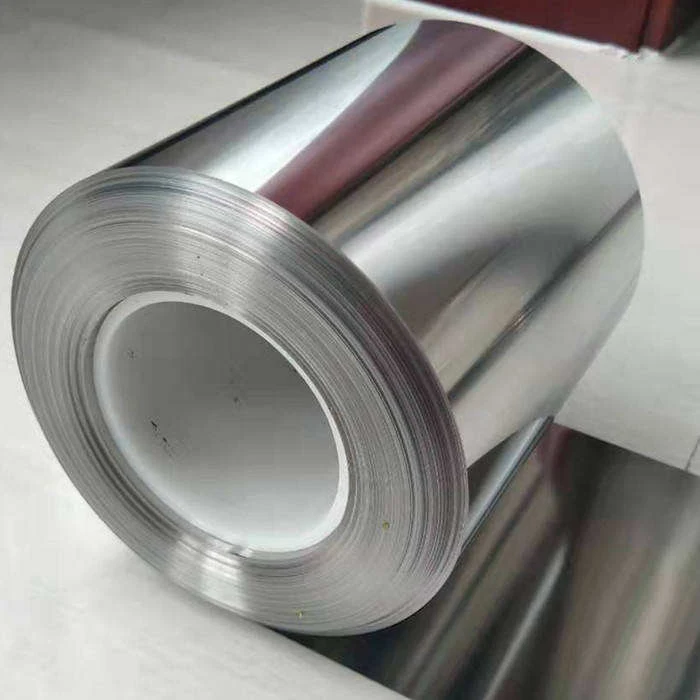
Exceptional Strength-to-Thickness Ratio: Unlike copper or aluminum foils, Thin Stainless Steel Foil maintains structural integrity even at extremely thin gauges — sometimes as thin as a few microns. This means manufacturers can achieve robust shielding without adding unnecessary bulk or weight, a crucial advantage in industries like aerospace, telecommunications, and consumer electronics where every millimeter and gram matters.
Corrosion and Oxidation Resistance: Because stainless steel contains chromium, it naturally forms a passive oxide layer that resists rust and corrosion. This ensures stable shielding performance, even in humid, high-temperature, or harsh chemical environments.
Excellent Formability: It can be cut, stamped, laminated, or wound into complex shapes without cracking, making it suitable for gaskets, wrapped cable shielding, flexible circuits, and enclosure linings.
Why Foil Thickness Matters in EMI Shielding
One of the most important variables in EMI shielding design is thickness. While thicker metal sheets offer more mass to block interference, they aren’t always practical for modern electronics that demand flexibility, light weight, and tight tolerances.
Thin Stainless Steel Foil solves this problem by delivering effective shielding performance at a fraction of the thickness of standard steel sheet. Because EMI shielding effectiveness is largely governed by the skin effect — where high-frequency currents travel along the outer surface of a conductor rather than through its entire volume — even a very thin layer of conductive stainless steel can attenuate a significant amount of electromagnetic energy.
This makes Thin Stainless Steel Foil especially valuable in:
- Flexible printed circuits (FPCs)
- Wearable electronics
- Medical devices
- EV battery systems
- 5G and RF communication equipment
- Aerospace wiring harnesses
301 Stainless Steel Foil: Strength Meets Flexibility
Among the various stainless steel grades used for shielding, 301 Stainless Steel Foil stands out for its unique combination of high tensile strength and excellent springback characteristics. This austenitic grade work-hardens rapidly during cold rolling, which gives 301 Stainless Steel Foil superior mechanical strength compared to many other foil-grade stainless steels.
Key advantages of 301 Stainless Steel Foil for EMI shielding applications include:
- High tensile strength, ideal for spring contacts, EMI gaskets, and fingerstock shielding
- Good fatigue resistance, which matters in applications involving repeated flexing or vibration
- Excellent formability, allowing tight bends and complex geometries without fracturing
- Reliable conductivity, ensuring consistent shielding effectiveness across the surface
Because of these properties, 301 Stainless Steel Foil is frequently used in connector shielding, battery enclosures, and precision-stamped EMI gasket components where both mechanical resilience and electromagnetic performance are required simultaneously.
316L Stainless Steel Foil: Built for Harsh Environments
While 301 grade excels in mechanical performance, 316L Stainless Steel Foil is the preferred choice when corrosion resistance and biocompatibility are top priorities. This low-carbon austenitic grade contains molybdenum, which significantly enhances its resistance to pitting and crevice corrosion — particularly in chloride-rich or marine environments.
316L Stainless Steel Foil is widely specified in:
- Medical device shielding and implantable electronics
- Marine and offshore communication systems
- Chemical processing environment enclosures
- High-humidity industrial electronics
Because 316L Stainless Steel Foil resists degradation from moisture, chemicals, and repeated sterilization cycles, it maintains stable EMI shielding performance over extended service life — a critical factor in medical and industrial applications where shield failure isn’t an option.
Comparing Thin Stainless Steel Foil to Other Shielding Materials
Engineers often weigh Thin Stainless Steel Foil against copper, aluminum, or nickel-based foils. Here’s why stainless steel frequently wins out:
| Property | Thin Stainless Steel Foil | Copper Foil | Aluminum Foil |
|---|---|---|---|
| Corrosion Resistance | Excellent | Poor (oxidizes) | Moderate |
| Mechanical Strength | High | Low | Low |
| Cost Stability | Stable | Volatile pricing | Moderate |
| Formability | Excellent | Good | Good |
| Long-Term Durability | Excellent | Degrades over time | Moderate |
While copper offers slightly higher conductivity, its oxidation and price volatility make stainless steel a more cost-effective, durable choice for long-term applications.
Key Applications of Thin Stainless Steel Foil in EMI Shielding
The versatility of Thin Stainless Steel Foil has led to its adoption across a wide range of industries:
Consumer Electronics: Smartphones, laptops, and wearables use Thin Stainless Steel Foil in shielding cans, battery wraps, and flex circuit layers to prevent interference between densely packed components.
Automotive and EV Systems: As vehicles become more electrified and autonomous, manufacturers use Thin Stainless Steel Foil to shield battery management systems, sensor wiring, and onboard communication modules from electromagnetic noise generated by high-voltage components.
Aerospace and Defense: Weight savings are critical in aerospace design, making this Stainless Steel Foil an attractive alternative to heavier shielding materials for avionics and radar systems.
Telecommunications: 5G infrastructure and RF equipment rely on precise EMI control, and Thin Stainless Steel Foil helps maintain signal integrity in densely packed base stations and antenna housings.
Medical Devices: From diagnostic equipment to implantable devices, 316L Stainless Steel Foil in particular ensures long-term shielding stability in sterile, biologically demanding environments.
Choosing the Right Thin Stainless Steel Foil Supplier
Achieving consistent EMI shielding performance depends heavily on sourcing high-quality material from an experienced Thin Stainless Steel Foil Supplier. Thickness tolerance, surface finish, grain structure, and grade purity directly determine the shielding effectiveness of thin stainless steel foil.
When evaluating a Stainless Steel Foil Supplier, consider the following factors:
- Precision Rolling Capabilities — Look for suppliers who can consistently deliver ultra-thin gauges with tight thickness tolerances, as inconsistent thickness leads to uneven shielding performance.
- Grade Availability — A reliable Supplier should offer multiple grades, including 301 Stainless Steel Foil for mechanical applications and 316L Stainless Steel Foil for corrosion-critical environments.
- Surface Finish Options — Depending on the application, bright annealed, matte, or polished finishes may be required for optimal conductivity and adhesion in laminated shielding assemblies.
- Quality Certifications — Look for ISO-certified manufacturing processes and material traceability, particularly important for aerospace, medical, and automotive industries.
- Custom Slitting and Cutting Services — A capable Supplier should be able to provide custom widths, coil forms, and cut-to-length options tailored to your production line.
Partnering with the right supplier ensures consistent Stainless Steel Foil quality, faster delivery, and reliable performance across every production run.
Final Thoughts
As electronic devices continue to shrink while demanding higher performance and reliability, the role of effective EMI shielding materials becomes increasingly critical. Thin Stainless Steel Foil offers a compelling combination of conductivity, mechanical strength, corrosion resistance, and formability that few alternative materials can match.
Whether your application calls for the high-strength characteristics of 301 Stainless Steel Foil or the superior corrosion resistance of 316L Stainless Steel Foil, choosing the right material and the right supplier can make the difference between a shielding solution that merely meets specifications and one that delivers long-term, dependable performance in the field.
If your team is developing next-generation electronics, EV systems, or medical devices that require superior EMI protection, now is the time to strengthen your shielding strategy with the right supplier.
FAQs
What is Thin Stainless Steel Foil used for?
It is widely used in EMI shielding, batteries, flexible electronics, medical devices, automotive, aerospace, and precision equipment. Its strength, corrosion resistance, and formability make it ideal for high-performance applications.
How does Thin Stainless Steel Foil improve EMI shielding performance?
It helps reduce electromagnetic interference by reflecting and absorbing electromagnetic waves before they reach sensitive electronic components. This improves signal integrity, enhances device reliability, and supports compliance with EMI regulations.
Why is Thin Stainless Steel Foil preferred over other shielding materials?
Compared to many shielding materials, Thin Stainless Steel Foil offers excellent strength, corrosion resistance, heat resistance, and durability. It also maintains its shielding effectiveness in demanding industrial and outdoor environments.
Which stainless steel grades are commonly used for EMI shielding?
Common grades include 301 Stainless Steel Foil for high strength and 316L Stainless Steel Foil for superior corrosion resistance. The best grade depends on your operating environment and performance requirements.