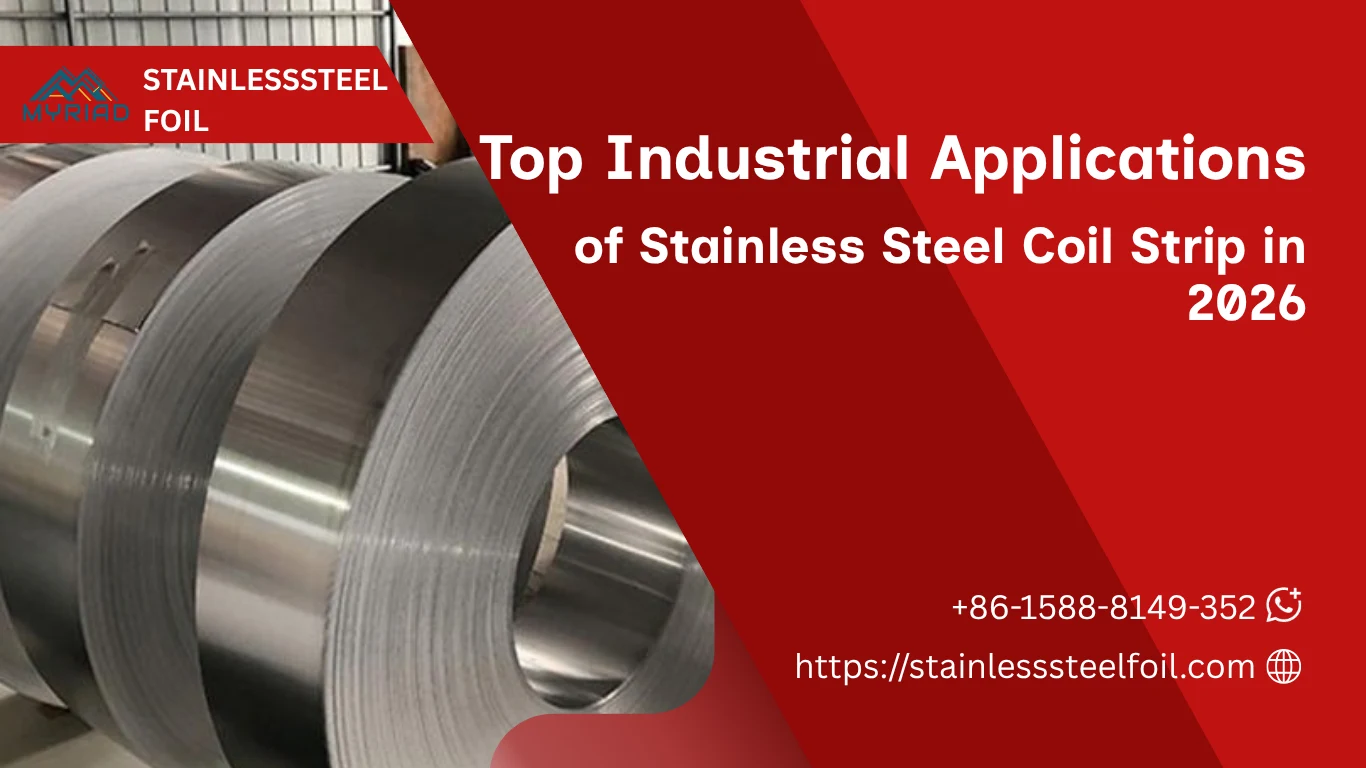
Stainless steel coil strip has quietly become one of the most important raw materials powering modern manufacturing. From the electronics in your pocket to the food packaging in your kitchen, this thin, precisely engineered metal shows up in more places than most buyers realize. As industries push toward lighter, stronger, and more corrosion-resistant components in 2026, demand for high-quality stainless steel coil strip continues to climb across nearly every major manufacturing sector.
Whether you’re a procurement manager evaluating suppliers, an engineer specifying materials for a new product line, or a business owner exploring cost-effective alternatives to heavier metals, understanding where and why stainless steel coil strip is used can help you make smarter sourcing decisions. This article breaks down the leading industrial applications driving demand in 2026 and explains what to look for when choosing a stainless steel coil strip supplier.
What Makes Stainless Steel Coil Strip So Versatile?
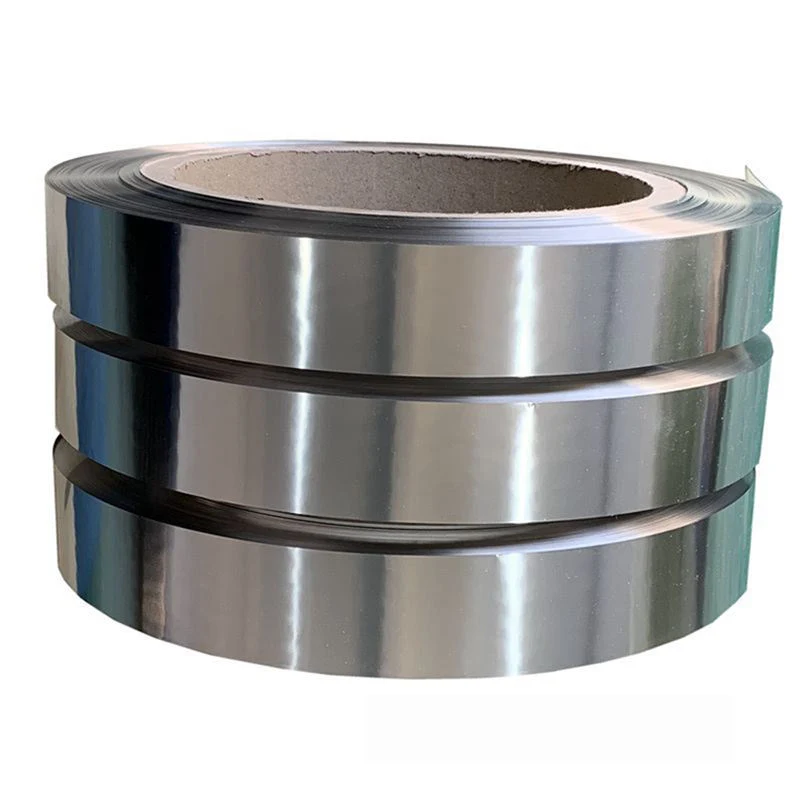
Before diving into specific industries, it’s worth understanding why ss coil strip has earned such a broad footprint across manufacturing. Unlike thicker steel plate or sheet, coil strip is typically supplied in continuous rolls at thicknesses ranging from as thin as 0.01mm up to 0.6mm, making it ideal for high-volume, precision applications where flexibility, formability, and consistent gauge matter most.
The role of stainless steel coil strip in modern manufacturing comes down to a handful of core properties:
- Corrosion resistance that holds up in humid, chemical, or high-temperature environments
- High strength-to-weight ratio, allowing thinner gauges to replace heavier materials
- Excellent formability, enabling tight bends, deep draws, and complex shapes without cracking
- Heat resistance, important for automotive, electrical, and industrial equipment
- Recyclability, supporting sustainability goals without compromising performance
These characteristics explain why SS steel coil strip has become a go-to material across such a wide range of industries — and why choosing the right grade and supplier matters just as much as the material itself.
The Role of Stainless Steel Coil Strip in Automotive Manufacturing
The automotive industry remains one of the largest consumers of stainless steel coil strip, and that demand is only growing in 2026 as manufacturers continue chasing fuel efficiency and emissions targets. Lighter vehicles need materials that don’t sacrifice structural integrity, and stainless steel coil strip delivers exactly that.
Common automotive applications include:
- Exhaust system components, where corrosion resistance and heat tolerance are non-negotiable
- Fuel line and battery casing components, particularly in electric vehicles
- Decorative trim and structural reinforcements
- Springs and clips manufactured from cold-rolled stainless steel strip
304 stainless steel strip is especially popular in this space thanks to its balance of formability, weldability, and cost-effectiveness. As EV production scales up globally, expect automotive demand for stainless steel coil strip to keep expanding, particularly for battery enclosures and thermal management components where precise thickness tolerances are critical.
Stainless Steel Coil Strip in Food Packaging and Processing
Food safety regulations continue to tighten worldwide, and stainless steel coil strip plays a critical role in helping manufacturers meet those standards. Its non-reactive surface, ease of cleaning, and resistance to bacterial buildup make it a natural fit for packaging and food-contact applications.
Typical uses include:
- Foil wrapping and container liners
- Conveyor components in food processing equipment
- Sealing and closure mechanisms for packaged goods
- Equipment housings that require frequent sanitization
304 stainless steel strip is the industry standard here, valued for its hygienic properties and compliance with food-grade material requirements. For businesses in the packaging sector, sourcing from a trustworthy supplier with documented food-safety certifications and consistent material traceability isn’t optional — it’s a baseline requirement for staying compliant.
Electronics and Precision Component Manufacturing
Few people think about stainless steel coil strip when they picture consumer electronics, but this material is essential to the components hidden inside. As devices get smaller and more powerful, manufacturers rely on ultra-thin, precisely toleranced stainless steel strip to build components that simply can’t be made from thicker materials.
Applications in this space include:
- Circuit shielding and EMI protection
- Battery contacts and connectors
- Precision springs used in switches and connectors
- Flexible components requiring tight bend radii
This is where the role of ss coil strip becomes most technically demanding. Electronics manufacturers often require thickness tolerances controlled to within a few thousandths of a millimeter, along with consistent hardness and elongation properties across every batch. Suppliers who can’t guarantee this level of precision simply aren’t viable partners for this industry.
Construction and Architectural Applications
Stainless steel coil strip also plays a growing role in construction, particularly as architects and builders lean into materials that combine aesthetic appeal with long-term durability. In 2026, sustainable building practices are pushing designers toward materials that require minimal maintenance and offer long service life, both hallmarks of stainless steel.
Common construction applications include:
- Architectural cladding and facades
- Roofing and flashing components
- Interior trim and decorative panels
- Structural reinforcement in specialized applications
Because construction projects often require large volumes delivered on tight timelines, working with an established supplier that maintains strong inventory and reliable lead times becomes a major competitive advantage for contractors and fabricators.
Industrial Equipment and Machinery
Beyond consumer-facing industries, stainless steel coil strip remains a workhorse material in heavy industrial and machinery manufacturing. Equipment used in chemical plants, marine environments, and humid facilities requires corrosion-resistant components that withstand constant exposure.
Industrial uses include:
- Gaskets and sealing components
- Filtration mesh and screens
- Springs and fasteners for heavy machinery
- Conveyor belting and mechanical linkages
For these applications, 316 stainless steel strip offers better resistance to chlorides and chemicals than 304 grade, making it ideal for harsh industrial environments.
Electrical and Energy Sector Applications
As global investment in renewable energy infrastructure accelerates, stainless steel coil strip is finding new applications in solar, battery storage, and electrical distribution systems. The material’s combination of conductivity-compatible surface properties, corrosion resistance, and formability makes it well-suited to components that must perform reliably for decades with minimal maintenance.
This includes:
- Battery enclosure components for energy storage systems
- Electrical connector housings
- Solar panel frame components in coastal or high-humidity installations
- Transformer and switchgear parts
This sector is one of the fastest-growing markets for SS steel coil strip, with demand expected to continue rising through 2026 and beyond as renewable energy investments expand.
Choosing the Right Stainless Steel Coil Strip Supplier
With so many industries relying on stainless steel coil strip for critical applications, selecting the right supplier is just as important as selecting the right grade. Not every supplier can consistently deliver the tolerances, certifications, and volumes that modern manufacturing demands.
When evaluating a stainless steel coil strip supplier, consider the following:
- Grade range and customization: Can they supply 301, 304, 316, and 316L, along with custom specifications for thickness and width?
- Quality control systems: Look for ISO 9001 certification, in-house testing labs, and documented material traceability.
- Tolerance capabilities: Precision industries like electronics require tight thickness control, sometimes within 0.005mm.
- Supply chain stability: Consistent access to raw materials and reliable lead times matter, especially for large-volume industries like construction and automotive.
- Technical support: A supplier with in-house engineering expertise can help you select the right grade and specification for your specific application, saving both time and cost.
Businesses that partner with an experienced supplier gain more than just a material source — they gain a technical partner who can help optimize material selection, reduce waste, and ensure consistent quality across every production run.
Stainless Steel Coil Strip Demand in 2026 and Beyond
The applications outlined above only scratch the surface of where stainless steel coil strip is headed. As electric vehicles, renewable energy, and advanced electronics continue to grow, demand for precision-engineered stainless steel strip will keep rising.
For manufacturers and procurement teams, the takeaway is clear: understanding the role of stainless steel coil strip in your specific industry and partnering with a supplier capable of meeting your exact specifications is no longer a nice-to-have. It’s a competitive necessity.
Whether you’re sourcing 304 stainless steel strip for food-grade packaging or 316 grade material for harsh industrial environments, partnering with a reliable supplier helps ensure consistent performance, regulatory compliance, and long-term durability.
Final Summary
The importance of Stainless Steel Coil Strip continues to grow across a wide range of industrial applications in 2026. From automotive and renewable energy to medical devices, electronics, food processing, and construction, stainless steel coil strips deliver the durability, precision, and corrosion resistance modern industries demand.
The expanding Role of Stainless Steel Coil Strip demonstrates its value as a strategic material for businesses seeking long-term performance and operational efficiency. Whether selecting 304 Stainless Steel Strip for versatile manufacturing needs or partnering with a trusted Stainless Steel Coil Strip Supplier for dependable sourcing, industrial buyers can benefit significantly from investing in high-quality stainless steel solutions.
FAQs
What is Stainless Steel Coil Strip?
It is a flat-rolled stainless steel product supplied in coil form and manufactured in precise widths and thicknesses. Widely used in automotive, electronics, medical, construction, and food processing industries for its strength, corrosion resistance, and formability.
What are the main industrial applications of Stainless Steel Coil Strip in 2026?
IIn 2026, it is widely used in automotive, EV batteries, renewable energy, medical, electronics, food processing, construction, and aerospace industries. Its versatility makes it a critical material for modern manufacturing.
Why is Stainless Steel Coil Strip preferred over other metal materials?
Its corrosion resistance, durability, and long lifespan make it a preferred choice for businesses. These advantages help manufacturers reduce operational costs and improve product reliability.
What is the role of Stainless Steel Coil Strip in the automotive industry?
Stainless Steel Coil Strip is widely used in automotive applications, including exhaust systems, battery enclosures, fuel tanks, and structural components.