The healthcare industry operates under a simple, non-negotiable rule: the materials used in medical environments must never compromise patient safety. From surgical tools to hospital furniture, every component must resist corrosion, withstand sterilization, and maintain structural integrity over years of heavy use. This is why 316 Stainless Steel Sheet has become the material of choice for manufacturers, hospitals, and medical device engineers across the globe.
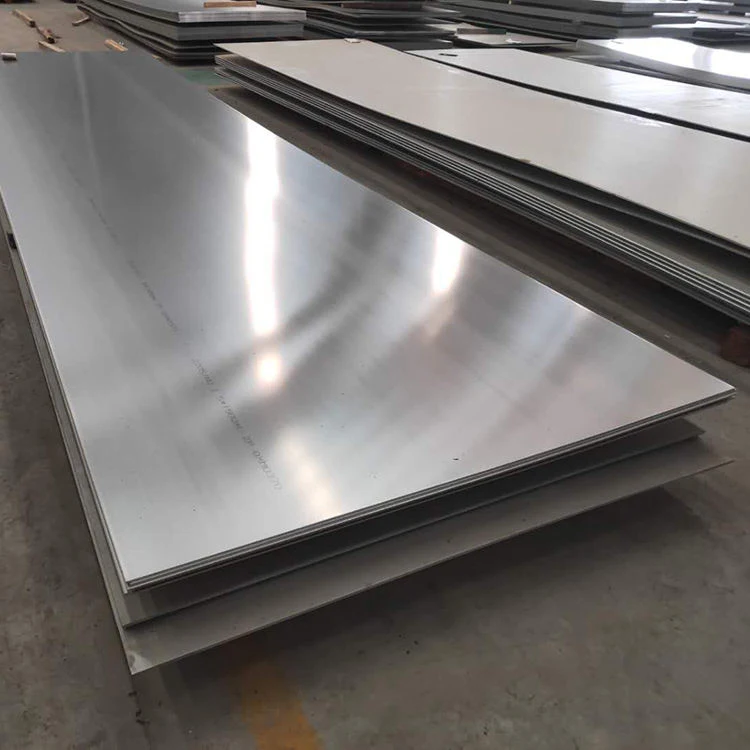
In this article, we’ll explore why 316 Stainless Steel Sheet is indispensable in modern medical equipment manufacturing, what sets this alloy apart from other grades, and how choosing the right supplier can make all the difference in product quality and compliance.
What Makes 316 Stainless Steel Sheet Different?
Not all stainless steel is created equal. Among the many stainless steel grades available, 316 Stainless Steel stands out due to its unique composition. The addition of molybdenum significantly enhances its resistance to pitting and crevice corrosion, especially in chloride-rich environments.
This is a critical distinction for medical applications. Hospitals and clinics routinely use aggressive cleaning agents, disinfectants, and sterilization processes that would degrade lesser metals over time. A 316 Stainless Steel Sheet can endure this repeated chemical exposure without rusting, pitting, or releasing harmful particles into the surrounding environment.
Key Properties of 316 Stainless Steel
- Superior corrosion resistance – Withstands saline, chemical disinfectants, and bodily fluids without degrading.
- Biocompatibility – Safe for prolonged contact with human tissue, making it ideal for implants and surgical instruments.
- High tensile strength – Maintains structural integrity even under mechanical stress.
- Excellent hygiene properties – Non-porous surface prevents bacterial growth, supporting strict infection-control standards.
- Heat resistance – Withstands autoclave sterilization temperatures without warping or weakening.
These properties combine to make stainless steel, particularly the 316 grade, the gold standard for equipment that must be both durable and safe for human contact.
Why 316 Stainless Steel Sheet Is Critical for Medical Equipment Manufacturing
Medical equipment manufacturers face a unique challenge: they must produce components that are simultaneously strong, lightweight, corrosion-resistant, and completely safe for patient contact. This is where 316 Stainless Steel Sheet becomes indispensable.
Surgical Instruments and Trays
Surgical tools undergo repeated sterilization cycles using steam, chemicals, and high heat. A 316 Stainless Steel Sheet used to fabricate trays, basins, and instrument housings can survive thousands of sterilization cycles without corroding or losing its polished, hygienic surface finish.
Hospital Furniture and Fixtures
Examination tables, IV stands, bed frames, and storage cabinets are constantly exposed to disinfectants and moisture. Using 316 stainless steel ensures these fixtures remain rust-free and easy to clean, reducing the risk of cross-contamination in clinical settings.
Diagnostic and Laboratory Equipment
Laboratory benches, centrifuge housings, and diagnostic device casings often require materials that won’t react with reagents or bodily fluid samples. A 316 Stainless Steel Sheet provides the chemical inertness laboratories need for accurate, contamination-free results.
Implantable and Surgical-Grade Components
While specialized grades are often used for implants, the 316 series—including thinner formats—is widely used for housings, trays, and medical tools.
The Role of 316L Stainless Steel Foil in Precision Medical Devices
While standard-thickness sheets serve structural applications, many advanced medical devices require ultra-thin, highly formable material. This is where 316L Stainless Steel Foil comes into play.
316L is the low-carbon version of the 316 alloy, engineered specifically to reduce carbide precipitation during welding. This makes 316L Stainless Steel Foil the preferred choice for:
- Flexible medical tubing and catheter components
- Precision surgical blades and micro-instruments
- Sensor housings and diagnostic device casings
- Components requiring intricate welding without a loss of corrosion resistance
Because 316L Stainless Steel offers the corrosion resistance of standard 316 with improved weldability, it is ideal for manufacturing thin, complex medical components that require flexibility and biocompatibility.
Why Hospitals and Manufacturers Choose 316 Stainless Steel Over Other Alloys
When it comes to material selection for healthcare applications, engineers consistently return to one question: does this material meet the strict demands of a sterile, high-stakes environment? Time and again, the answer points to 316 stainless steel.
Comparing 316 to Other Stainless Steel Grades
| Feature | 316 Stainless Steel | 304 Stainless Steel |
|---|---|---|
| Molybdenum Content | Yes | No |
| Chloride Resistance | Excellent | Moderate |
| Cost | Higher | Lower |
| Best Use Case | Medical, marine, chemical | General-purpose applications |
While 304 stainless steel is suitable for general use, it lacks the molybdenum that gives 316 stainless steel superior resistance to harsh sterilization chemicals. This makes 316 stainless steel the preferred choice for healthcare, offering better corrosion resistance, longer service life, and improved hygiene.
Choosing the Right 316 Stainless Steel Sheet Manufacturer
Given how much rides on material quality in medical applications, selecting a reliable 316 Stainless Steel Sheet Manufacturer is just as important as selecting the correct alloy. Not every supplier can guarantee the consistency, purity, and certification required for medical-grade applications.
What to Look for in a Manufacturer
- Certified Material Composition – A trustworthy manufacturer provides mill test certificates (MTCs) confirming the exact chemical composition of each batch.
- Consistent Surface Finish – Medical-grade applications often require mirror or brushed finishes free of surface defects that could harbor bacteria.
- Compliance with International Standards – Look for compliance with ASTM, ASME, or ISO standards relevant to medical-grade stainless steel.
- Custom Thickness and Sizing – Manufacturers offering a range of gauges, including thin 316L Stainless Steel Foil, provide more flexibility for specialized medical device production.
- Proven Industry Experience – A manufacturer with a track record in supplying healthcare, pharmaceutical, or laboratory equipment sectors understands the compliance and quality demands unique to this industry.
Partnering with an experienced supplier ensures product quality while reducing the risk of costly recalls, compliance issues, and equipment failures that could affect patient safety.
The Business Case for Investing in Quality 316 Stainless Steel
For manufacturers and procurement teams, the decision to source high-grade 316 Stainless Steel Sheet is not just a technical requirement — it’s a business strategy. Equipment built with substandard materials leads to:
- Increased maintenance and replacement costs
- Higher risk of regulatory non-compliance
- Potential liability from equipment failure or contamination
- Damage to brand reputation in a trust-driven industry
On the other hand, working with a reputable stainless steel supplier who understands the nuances of medical-grade requirements helps companies:
- Meet strict regulatory and safety standards with confidence
- Extend the operational lifespan of medical devices and fixtures
- Reduce total cost of ownership through fewer replacements
- Build long-term trust with healthcare clients and end users
For businesses in medical devices, hospital furnishings, or laboratory equipment, partnering with a reliable stainless steel sheet and foil supplier is a smart long-term investment.
Final Summary
From surgical trays to precision diagnostic components, 316 Stainless Steel Sheet continues to prove itself as the backbone material of modern medical equipment. Its resistance to corrosion, compatibility with sterilization processes, and overall durability make it uniquely suited to the demanding standards of healthcare environments.
Whether you need standard-gauge sheets for structural components or specialized 316L Stainless Steel Foil for intricate, thin-walled devices, sourcing from an experienced 316 Stainless Steel Sheet Manufacturer ensures your equipment meets both safety regulations and performance expectations.
If your business is manufacturing medical equipment, laboratory tools, or hospital fixtures, don’t compromise on material quality. Partner with a manufacturer who understands the critical role that certified, high-grade stainless steel plays in patient safety and product longevity — because in healthcare, there’s no room for second-best materials.
FAQs
What makes a 316 stainless steel sheet better for medical applications than 304?
The key difference is Molybdenum. A 316 stainless steel sheet contains 2% to 3% molybdenum, which gives it superior resistance to pitting and corrosion caused by saline solutions, blood, and harsh chemical sterilizers that would quickly degrade 304 steel.
Is a 316 stainless steel sheet biologically safe for patient contact?
Yes. It is highly biocompatible and chemically inert, meaning it won’t leach metallic ions into the body or react with biological tissues. This makes it safe for surgical trays, diagnostic tools, and non-implantable medical hardware.
How does utilizing a 316 stainless steel sheet help with regulatory compliance?
Because 316 grade steel is globally recognized by the FDA and CE as the gold standard for medical safety, using it drastically reduces your compliance testing friction, simplifies your material traceability documentation, and accelerates your time-to-market.
Can a 316 stainless steel sheet withstand repeated autoclave sterilization?
Yes. It is engineered to handle the intense heat, moisture, and high pressure of autoclave cycles without warping, rusting, or losing its structural strength. This durability lowers the long-term cost of ownership for healthcare facilities.
What surface finish is best for medical-grade 316 steel?
Medical applications require a smooth, non-porous surface to prevent bacteria and biofilms from sticking. Manufacturers typically use a 2B (cold-rolled) or No. 4 (brushed) finish, which is often electropolished afterward to achieve an ultra-hygienic, mirror-like smoothness.