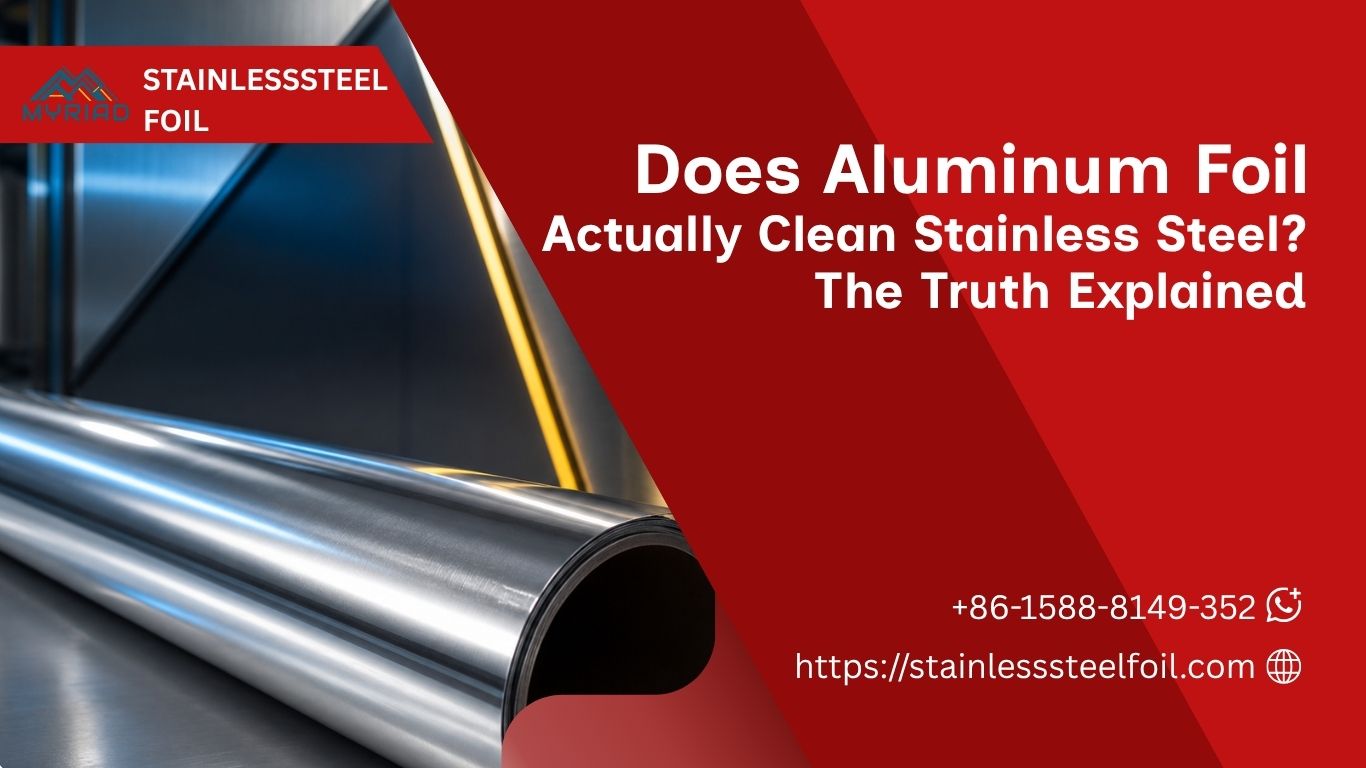
When it comes to household cleaning hacks, one of the most debated topics is whether aluminum foil can clean stainless steel effectively. From kitchen appliances to industrial machinery, stainless steel is prized for its durability and sleek appearance. Yet, maintaining that shine can be challenging. Many people claim that aluminum foil works as a quick fix, but is it really safe and effective?
In this article, we’ll dive deep into the science behind stainless steel, explore the myths surrounding aluminum foil cleaning, and provide practical, research-backed solutions. By the end, you’ll know exactly how to clean stainless steel without damaging its surface.
What Is Stainless Steel?
Stainless steel is a versatile alloy made primarily from iron, chromium, and nickel, designed to resist rust and corrosion. The defining feature of stainless steel is its chromium content—typically at least 10.5%. When exposed to oxygen, chromium forms a thin, invisible layer called the passive film, which protects the metal from oxidation and corrosion. This self-healing property makes stainless steel highly durable, even in challenging environments.
Different grades of stainless steel exist, each tailored for specific applications. For example, 304 stainless steel is widely used in household appliances and food processing equipment, while 316L stainless steel is preferred in marine and chemical industries due to its superior resistance to chloride corrosion. You can explore more about these grades in the complete guide for 304 stainless steel foil and the comparison of 316 vs 316L stainless steel foil.
Stainless steel’s applications range from kitchen utensils and medical instruments to aerospace components and industrial machinery. Its combination of strength, hygiene, and corrosion resistance makes it indispensable across industries. For a deeper dive into its history and properties, the Wikipedia entry on stainless steel provides excellent background information.
Why Cleaning Stainless Steel Matters
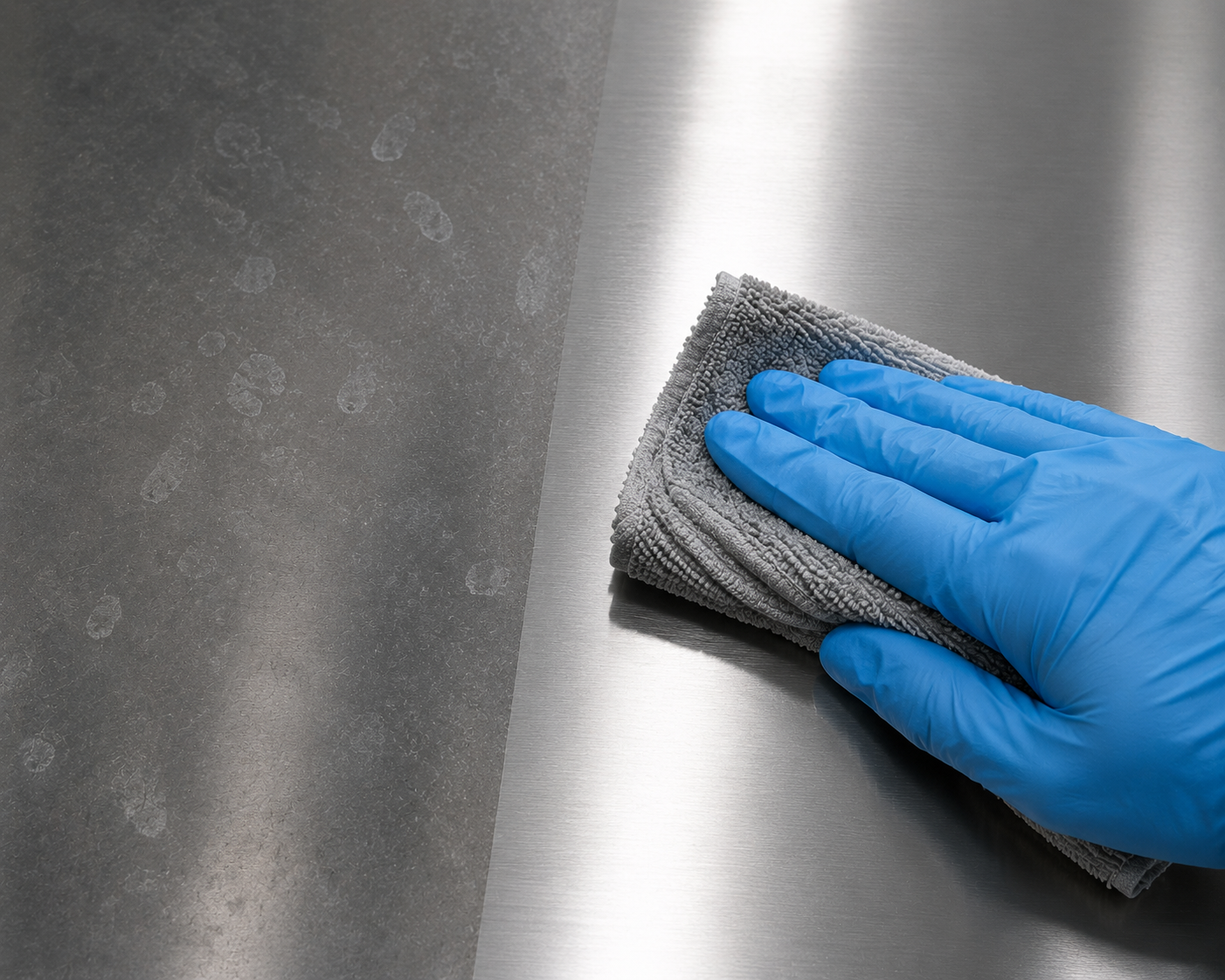
Stainless steel is renowned for its durability, sleek finish, and resistance to corrosion, but even this resilient material requires consistent care. Over time, stainless steel surfaces accumulate fingerprints, grease, water spots, and mineral deposits. If neglected, these contaminants can dull the shine and compromise the protective chromium oxide layer that prevents rust.
Proper cleaning is essential to preserve the passive film that shields stainless steel from oxidation. Without maintenance, exposure to salt, acidic residues, or harsh chemicals can weaken this protective barrier, leading to corrosion or staining. This is particularly important in industries where stainless steel is used in food processing equipment, medical instruments, and marine applications, where hygiene and performance are critical.
For households, cleaning stainless steel ensures appliances remain attractive and functional. In industrial settings, it extends the lifespan of components such as 304 stainless steel foil or 316L stainless steel foil, reducing costly repairs and replacements.
Ultimately, cleaning stainless steel is not just about aesthetics—it is about preserving strength, safety, and longevity. By using gentle, effective cleaning methods, you maintain both the beauty and reliability of this essential material. For more insights, explore the Stainless Steel Foil blog.
The Aluminum Foil Cleaning Hack
The idea behind using aluminum foil to clean stainless steel is simple: crumple a piece of foil and scrub away rust or stains. Some claim it works because aluminum is softer than stainless steel, so it won’t scratch the surface. Others argue that aluminum reacts with rust, helping to lift it off.
But here’s the truth: while aluminum foil can sometimes remove surface rust from chrome or mild steel, it is not recommended for stainless steel. Stainless steel’s protective chromium oxide layer can be damaged by abrasive scrubbing, leading to long-term corrosion.
Scientific Explanation: Why Aluminum Foil Isn’t Ideal
The effectiveness of stainless steel lies in its passive film, a thin chromium oxide layer that forms naturally on the surface. This film acts as a protective barrier, preventing rust and corrosion. When you scrub stainless steel with aluminum foil, you risk damaging this layer. Even though aluminum is softer than stainless steel, the friction can create micro-scratches that weaken the passive film.
Another issue is galvanic corrosion. Stainless steel and aluminum are dissimilar metals. When they come into contact in the presence of moisture, an electrochemical reaction can occur. This accelerates corrosion rather than preventing it. Instead of cleaning, aluminum foil may leave behind residue that traps dirt and moisture, further compromising the surface.
For household appliances or industrial components like 316L stainless steel foil, maintaining the integrity of the passive film is crucial. Damaging it with abrasive methods shortens the lifespan of the material. Safer alternatives such as mild soap, vinegar, or specialized cleaners are far more effective.
In short, while aluminum foil may seem like a quick hack, it undermines the very properties that make stainless steel durable. Protecting the passive film is the key to keeping stainless steel surfaces clean and corrosion-resistant. For more insights, explore the Stainless Steel Foil
Recommended Methods to Clean Stainless Steel
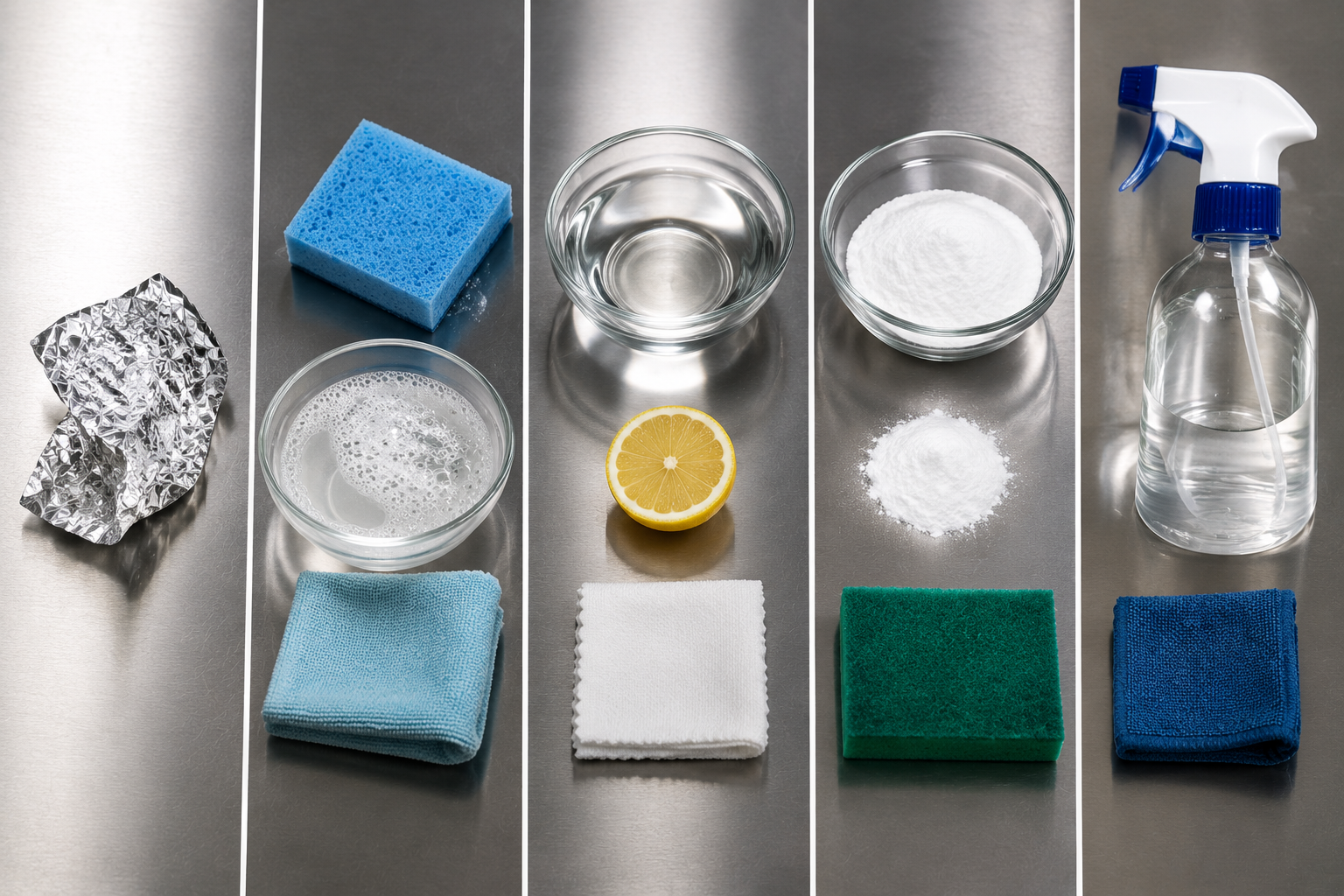
Keeping stainless steel surfaces spotless requires gentle yet effective cleaning techniques that protect the material’s natural shine and durability. The safest and most reliable method is using warm water and mild dish soap. Simply wipe the surface with a soft cloth, rinse thoroughly, and dry to prevent water spots. This everyday approach works well for appliances, cookware, and industrial components such as stainless steel foil sheets.
For fingerprints and light stains, a vinegar solution diluted with water is highly effective. Vinegar restores shine without harming the protective chromium oxide layer. For tougher stains, a baking soda paste can be applied gently. Baking soda is non-abrasive, making it safe for delicate finishes like 304 stainless steel foil.
In industrial environments, specialized commercial stainless steel cleaners are often preferred. These products are formulated to remove contaminants while preserving corrosion resistance, which is especially important for 316L stainless steel foil used in marine or chemical applications.
Avoid abrasive tools such as steel wool or aluminum foil, as they can scratch the surface and compromise durability. By choosing the right cleaning method, you not only maintain the aesthetic appeal of stainless steel but also extend its lifespan. For more insights, explore the Stainless Steel Foil
Comparing Cleaning Methods
| Cleaning Method | Effectiveness | Risk of Damage | Best Use Case |
|---|---|---|---|
| Aluminum Foil | Moderate | High | Not recommended |
| Soap & Water | High | Low | Everyday cleaning |
| Vinegar Solution | High | Low | Fingerprints, stains |
| Baking Soda Paste | Moderate | Low | Tough stains |
| Commercial Cleaners | Very High | Very Low | Industrial & household |
Summary
While aluminum foil may seem like a quick hack, it is not the right tool to clean stainless steel. Scrubbing with foil risks scratching and damaging the protective chromium oxide layer, leading to long-term corrosion. Instead, safe methods like soap and water, vinegar, baking soda, or commercial cleaners should be used.
For industries and households alike, maintaining stainless steel properly ensures durability, hygiene, and long-lasting shine. Whether you’re dealing with 304 stainless steel foil or 316L stainless steel foil, the key is to protect the surface—not damage it with abrasive shortcuts.
For more resources, visit the Stainless Steel Foil blog or reach out via Contact Us.
FAQs
Q: Can aluminum foil clean stainless steel safely?
A: No, aluminum foil can scratch and damage the protective layer. The best way to clean stainless steel is with mild soap, vinegar, or specialized cleaners.
Q: What is the safest household cleaner for stainless steel?
A: A simple mix of warm water and dish soap is the safest way to clean stainless steel without risk of damage.
Q: Does stainless steel rust if cleaned improperly?
A: Yes, improper cleaning can weaken the passive film, leading to rust. Always use gentle methods to clean stainless steel.
Q: Can vinegar damage stainless steel?
A: No, diluted vinegar is safe and effective for removing stains and fingerprints when used to clean stainless steel.
Q: Why is 316L stainless steel easier to maintain?
A: 316L has added molybdenum, making it more resistant to corrosion. This makes it easier to clean stainless steel in harsh environments.